Home Design Ideas, Tips and References website. Search anything about Home Design in this website.
10 Container Vegetable Garden Design Ideas For Beginners
Embarking on the journey of vegetable gardening can be incredibly rewarding, providing fresh produce and a connection to nature. For beginners, container gardening offers a manageable and accessible entry point. This exploration delves into ten innovative container garden design ideas specifically tailored for those new to gardening, offering practical tips and inspiration to cultivate thriving vegetable patches in limited spaces.
Understanding the Basics of Container Vegetable Gardening
Container gardening involves growing plants in pots, planters, or other portable containers, offering flexibility and control over the growing environment. This method is particularly suitable for individuals with limited space, such as balconies, patios, or small yards. It also allows for easier management of soil quality, watering, and pest control compared to traditional in-ground gardening.
Success in container vegetable gardening hinges on several key factors. Selecting the right container size and material is crucial, ensuring adequate drainage and sufficient space for root development. Choosing a high-quality potting mix, rather than garden soil, provides essential nutrients and proper aeration. Regular watering and fertilization are also vital, as container plants tend to dry out and deplete nutrients faster than those planted in the ground. Understanding these basic principles will set the stage for a flourishing container vegetable garden.
Selecting the Right Containers for Vegetable Gardening
Container selection is paramount for successful vegetable growth. The size of the container should correlate with the mature size of the vegetable being grown. Larger vegetables, such as tomatoes and peppers, require larger containers (at least 5 gallons), while smaller plants, like herbs and lettuce, can thrive in smaller pots.
Material choice also influences plant health. Terracotta pots are porous and allow for good aeration, but they dry out quickly. Plastic containers retain moisture better but can overheat in direct sunlight. Consider the local climate and watering habits when choosing container materials. Regardless of the material, ensure that the container has drainage holes to prevent waterlogging, which can lead to root rot.
Choosing the Best Soil for Your Container Vegetable Garden
The ideal soil for container vegetable gardens is a well-draining potting mix specifically formulated for container plants. Garden soil is generally too heavy and compacts easily in containers, hindering root growth and drainage.
A good potting mix typically consists of peat moss or coconut coir, perlite or vermiculite, and compost or other organic matter. These components provide essential nutrients, aeration, and moisture retention. Consider adding slow-release fertilizer to the potting mix at planting time to provide a steady supply of nutrients to the growing plants.
10 Container Vegetable Garden Design Ideas for Beginners
These ten container vegetable garden design ideas are tailored for beginners, focusing on simplicity, ease of maintenance, and visual appeal. Each idea offers a unique approach to growing vegetables in containers, allowing individuals to tailor their gardening experience to their specific needs and preferences.
The Classic Herb Garden: A Beginner-Friendly Approach
A classic herb garden is an excellent starting point for beginners. Herbs are generally easy to grow in containers and require minimal maintenance. Consider planting a variety of culinary herbs, such as basil, mint, rosemary, thyme, and oregano, in individual pots or a larger container.
Place the herb garden in a sunny location, as most herbs require at least six hours of sunlight per day. Water regularly, allowing the soil to dry slightly between waterings. Harvesting herbs frequently encourages bushier growth and prolongs the growing season. Urban Garden Design Ideas for Apartments and Balconies can provide further inspiration for small-space gardening.
Salad Bowl Garden: Fresh Greens at Your Fingertips
A salad bowl garden is a convenient way to grow a variety of leafy greens in a single container. Lettuce, spinach, arugula, and other salad greens are shallow-rooted and thrive in containers. Choose a wide, shallow container with good drainage.
Sow seeds directly into the container, spacing them according to the instructions on the seed packet. Keep the soil moist but not waterlogged. Harvest the outer leaves regularly, allowing the inner leaves to continue growing. This cut-and-come-again method provides a continuous supply of fresh salad greens throughout the growing season.
Tomato Triumph: Growing Tomatoes in Containers
Growing tomatoes in containers can be a rewarding experience. Choose determinate tomato varieties, which are bushier and more compact than indeterminate varieties, which require staking and pruning. Select a large container (at least 5 gallons) with good drainage.
Plant the tomato seedling deeply, burying the stem up to the first set of leaves. This encourages the development of a strong root system. Provide support with a stake or cage to prevent the plant from toppling over. Water regularly and fertilize with a tomato-specific fertilizer every few weeks. Place the container in a sunny location, as tomatoes require at least six hours of sunlight per day.
Pepper Paradise: Spicy and Sweet Peppers in Pots
Peppers are another excellent choice for container gardening. Both sweet and hot peppers thrive in pots, adding color and flavor to the garden. Choose a container that is at least 3 gallons in size.
Plant the pepper seedling in the center of the container and water thoroughly. Provide support with a stake if necessary. Peppers prefer warm temperatures and plenty of sunlight. Fertilize regularly with a balanced fertilizer. Harvest peppers when they are fully colored and ripe. Exploring Eco Friendly Garden Design Ideas for Sustainable Living can provide sustainable practices for growing your peppers.
Strawberry Delight: Growing Strawberries in Hanging Baskets
Strawberries are well-suited for container gardening, especially in hanging baskets. Hanging baskets provide good air circulation and prevent soilborne diseases. Choose everbearing strawberry varieties, which produce fruit throughout the growing season.
Plant strawberry seedlings in the hanging basket, spacing them evenly. Use a well-draining potting mix and water regularly. Fertilize with a strawberry-specific fertilizer every few weeks. Hang the basket in a sunny location. Protect the plants from birds with netting if necessary.
Zucchini Bonanza: Managing Zucchini in Containers
Zucchini plants are prolific producers and can be grown successfully in containers, although they require a larger container (at least 10 gallons). Choose a bush variety of zucchini, which is more compact than vining varieties.
Plant the zucchini seedling in the center of the container and water thoroughly. Zucchini plants require plenty of sunlight and water. Fertilize regularly with a balanced fertilizer. Harvest zucchini fruits when they are young and tender. Regular harvesting encourages further production. Discover Low Maintenance Garden Design Ideas for Busy Homeowners for tips on managing zucchini with ease.
Radish Rocket: Fast-Growing Radishes in Pots
Radishes are one of the easiest and fastest vegetables to grow in containers. They mature in just a few weeks, making them an ideal choice for beginners. Choose a shallow container with good drainage.
Sow radish seeds directly into the container, spacing them about an inch apart. Keep the soil moist but not waterlogged. Radishes prefer cool temperatures and partial shade. Harvest radishes when they are about an inch in diameter. Succession planting, sowing seeds every few weeks, ensures a continuous supply of radishes throughout the growing season.
Beanstalk Beauty: Growing Beans in Containers
Beans are another excellent choice for container gardening. Both bush beans and pole beans can be grown in containers, although pole beans require a trellis or other support structure.
Plant bean seeds directly into the container, spacing them according to the instructions on the seed packet. Keep the soil moist but not waterlogged. Beans prefer warm temperatures and plenty of sunlight. Fertilize with a balanced fertilizer every few weeks. Harvest beans when the pods are tender and plump.
Cucumber Cool: Growing Cucumbers Vertically in Containers
Cucumbers can be grown successfully in containers, especially when trained to grow vertically on a trellis. Vertical growth saves space and improves air circulation, reducing the risk of disease. Choose a compact cucumber variety and a container that is at least 5 gallons in size.
Plant the cucumber seedling in the center of the container and install a trellis or other support structure. Train the cucumber vines to climb the trellis by gently tying them to the support. Water regularly and fertilize with a cucumber-specific fertilizer every few weeks. Harvest cucumbers when they are the desired size and color.
Eggplant Elegance: Growing Eggplant in Containers
Eggplants can be grown in containers, although they require a warm, sunny location and a large container (at least 5 gallons). Choose a compact eggplant variety, such as ‘Patio Baby’ or ‘Hansel’.
Plant the eggplant seedling in the center of the container and water thoroughly. Provide support with a stake if necessary. Eggplants prefer warm temperatures and plenty of sunlight. Fertilize regularly with a balanced fertilizer. Harvest eggplants when they are glossy and firm. Be mindful of pests such as flea beetles, which can damage eggplant foliage.
Tips for Maintaining Your Container Vegetable Garden
Maintaining a container vegetable garden requires consistent attention to watering, fertilization, and pest control. Regular monitoring and proactive care are essential for ensuring healthy plant growth and abundant harvests.
Watering should be done regularly, especially during hot and dry weather. Check the soil moisture level daily and water when the top inch of soil feels dry to the touch. Fertilize container plants every few weeks with a balanced fertilizer or a fertilizer specifically formulated for vegetables. Monitor plants regularly for signs of pests or diseases and take appropriate action to control them.
By following these design ideas and maintenance tips, beginners can create thriving container vegetable gardens, enjoying fresh, homegrown produce throughout the growing season. The flexibility and accessibility of container gardening make it a rewarding and sustainable way to connect with nature and cultivate a love for gardening.
Collection of the Most Recommended Videos Relating to 10 Container Vegetable Garden Design Ideas for Beginners
SMART! CONTAINER GARDEN DESIGN IDEAS | TOP 10 EASY CONTAINER GARDENING IDEAS FOR BEGINNER
SMART! 21 EASY Container Garden Ideas for Beginners | Transform Small Spaces Into Green Paradises!
The Complete Guide to Beautiful Container Gardening Ideas | DIY and Budget Friendly Gardening
List of the Most Interesting Videos Related to SMART! CONTAINER GARDEN DESIGN IDEAS | TOP 10 EASY CONTAINER GARDENING IDEAS FOR BEGINNER
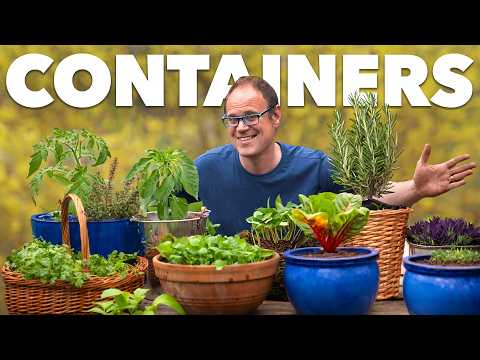
The Lazy Gardener's Guide To Starting A Container Garden
Duration: 30:22. Views: 299.7K views
► Play

The Expert Guide To Container Gardening For Beginners | Grow Plants Anywhere!
Duration: 04:35. Views: 896 views
► Play

Creative! Container Vegetables Garden Design Ideas | Container Gardening To Grow Fresh Products
Duration: 18:13. Views: 104 views
► Play

Clever Ways To Grow In Small Spaces: Container Vegetable Gardening For Beginners
Duration: 07:47. Views: 148.6K views
► Play

Container Gardening For Beginners: 10 Simple Steps
Duration: 08:16. Views: 318.3K views
► Play

Top 7 Container Veggies For Beginners Garden Quickie Episode 142
Duration: 04:13. Views: 69K views
► Play

How To Grow Vegetables In Containers // Container Gardening
Duration: 17:40. Views: 19.3K views
► Play

Creative! 100+ Vegetables Garden Design Ideas | Guide For Outdoor Backyard Vegetable Gardening Tips
Duration: 11:02. Views: 18.3K views
► Play
That was the complete discussion and the Most Popular Videos that we can show associated with 10 Container Vegetable Garden Design Ideas for Beginners. Don’t forget to share or bookmark this page for future reference.
Related Post to 10 Container Vegetable Garden Design Ideas For Beginners
15 Front Porch Garden Design Ideas With Hanging Baskets
Transforming a front porch into a welcoming and vibrant space can significantly enhance curb appeal and create a positive first impression. One effective way... Read More
10 Backyard Deck Garden Design Ideas With Plants And Seating
Transforming a backyard deck into a lush garden oasis is an attainable goal for homeowners seeking to enhance their outdoor living space. By integrating... Read More
10 Rooftop Garden Design Ideas With Small Pools
Rooftop gardens represent an innovative approach to urban living, transforming unused spaces into vibrant oases. Integrating small pools into these rooftop sanctuaries elevates the... Read More
15 Waterfall Garden Design Ideas For Stunning Landscapes
Waterfalls introduce a dynamic element to any garden, transforming tranquil spaces into vibrant, engaging landscapes. The gentle sound of cascading water promotes relaxation, while... Read More
Classic Living Room Design Ideas
Classic Living Room Design Ideas: Timeless Elegance for Your Home Classic living room design emphasizes timelessness and sophistication, creating a space that feels both... Read More