Home Design Ideas, Tips and References website. Search anything about Home Design in this website.
10 Sustainable Landscaping Ideas With Rainwater Harvesting Systems
Transforming outdoor spaces into sustainable havens involves a conscious effort to minimize environmental impact while maximizing resource utilization. Integrating rainwater harvesting systems into landscaping designs is a powerful strategy for achieving this goal. By collecting and utilizing rainwater, landscapes become more resilient, water consumption is reduced, and the overall ecological footprint diminishes. This discussion explores ten innovative sustainable landscaping ideas that seamlessly incorporate rainwater harvesting, promoting both beauty and environmental responsibility.
Exploring Sustainable Landscaping Ideas with Rainwater Harvesting
The integration of eco-friendly garden design ideas with water conservation practices presents a compelling approach to landscaping. Rainwater harvesting, a cornerstone of sustainability, directly addresses the challenges of water scarcity and inefficient water management in residential and commercial landscapes. By capturing rainwater, properties can reduce their dependence on municipal water supplies, lower water bills, and contribute to a more sustainable future. The synergy between aesthetics and environmental responsibility transforms ordinary landscapes into models of ecological harmony.
The benefits of combining rainwater harvesting with sustainable landscaping are multifaceted. Environmentally, this approach conserves precious water resources, reduces stormwater runoff, and minimizes the energy required to treat and deliver potable water. Economically, it lowers water bills and may qualify properties for rebates or incentives. Aesthetically, incorporating rainwater harvesting can enhance landscape design through creative storage solutions and integrated water features. Furthermore, the use of harvested rainwater, free from chemicals and minerals found in tap water, promotes healthier plant growth and reduces soil salinity.
1. Rain Gardens: Natural Filtration and Water Collection
Rain gardens are shallow, depressed areas designed to capture and filter rainwater runoff from roofs, driveways, and other impervious surfaces. These gardens are planted with native, water-tolerant plants that help to absorb and filter the water, reducing stormwater runoff and replenishing groundwater supplies. Rain gardens effectively reduce the volume of water entering storm drains, mitigating the risk of flooding and erosion.
Integrating a rainwater harvesting system with a rain garden amplifies its benefits. A storage tank can collect rainwater from rooftops, which can then be used to irrigate the rain garden during dry periods. This creates a closed-loop system where water is efficiently captured, stored, and reused, minimizing water waste and promoting a thriving ecosystem. A properly designed rain garden not only manages stormwater but also adds beauty and biodiversity to the landscape. Refer to Low Maintenance Garden Design Ideas for Busy Homeowners.
2. Permeable Paving: Reducing Runoff and Enhancing Infiltration
Traditional paved surfaces contribute significantly to stormwater runoff, as they prevent water from infiltrating into the ground. Permeable paving, on the other hand, allows water to seep through the surface and into the underlying soil, reducing runoff and recharging groundwater. Materials such as porous asphalt, permeable concrete, and interlocking pavers can be used to create driveways, patios, and walkways that are both functional and environmentally friendly.
Combining permeable paving with a rainwater harvesting system further enhances its sustainability. Rainwater that infiltrates through the permeable pavement can be directed into an underground storage tank, providing a readily available source of water for irrigation or other non-potable uses. This integrated approach not only reduces runoff but also maximizes water conservation, creating a more resilient and eco-conscious landscape.
3. Green Roofs: Absorbing Rainwater and Insulating Buildings
Green roofs, also known as living roofs, are rooftops covered with vegetation and a growing medium. They offer numerous environmental benefits, including absorbing rainwater, reducing stormwater runoff, insulating buildings, and providing habitat for wildlife. Green roofs can significantly reduce the amount of water that enters storm drains, mitigating the risk of flooding and improving water quality.
Incorporating a rainwater harvesting system with a green roof can further enhance its sustainability. Excess water that is not absorbed by the green roof can be collected in a storage tank and used for irrigation or other purposes. This creates a closed-loop system where water is efficiently managed, and the benefits of both green roofs and rainwater harvesting are maximized. Green roofs not only contribute to environmental sustainability but also add aesthetic value to buildings and urban landscapes. Also see, Garden Design Ideas for Small Gardens.
4. Dry Creek Beds: Directing Water Flow and Preventing Erosion
Dry creek beds are landscape features designed to mimic natural streambeds. They are typically constructed with rocks, gravel, and boulders, and are used to direct water flow, prevent erosion, and add visual interest to the landscape. Dry creek beds can effectively manage stormwater runoff by channeling it to a designated area, such as a rain garden or a storage tank.
Integrating a rainwater harvesting system with a dry creek bed can enhance its functionality. The dry creek bed can be designed to direct rainwater runoff into an underground storage tank, providing a readily available source of water for irrigation or other non-potable uses. This integrated approach not only manages stormwater but also creates a visually appealing landscape feature that promotes water conservation.
5. Bioswales: Filtering Pollutants and Reducing Runoff
Bioswales are vegetated channels designed to filter pollutants and reduce stormwater runoff. They are typically planted with native grasses, shrubs, and trees, which help to absorb and filter the water as it flows through the swale. Bioswales can effectively remove pollutants such as sediment, nutrients, and heavy metals from stormwater runoff, improving water quality and protecting aquatic ecosystems.
Combining a bioswale with a rainwater harvesting system can further enhance its environmental benefits. The filtered water from the bioswale can be directed into an underground storage tank, providing a clean and sustainable source of water for irrigation or other uses. This integrated approach not only improves water quality but also promotes water conservation and reduces the burden on municipal water supplies.
6. Rain Chains: Aesthetic Water Diversion and Collection
Rain chains are decorative alternatives to traditional downspouts. They consist of a series of cups or links that guide rainwater from the roof to the ground. Rain chains not only add visual interest to the landscape but also help to reduce stormwater runoff by slowing down the flow of water and allowing it to infiltrate into the ground. Rain chains offer an aesthetic and functional solution for managing rainwater.
Integrating a rain chain with a rainwater harvesting system can enhance its functionality. The rain chain can be positioned to direct rainwater into a rain barrel or a larger storage tank, providing a readily available source of water for irrigation or other non-potable uses. This integrated approach not only adds beauty to the landscape but also promotes water conservation and reduces reliance on municipal water supplies.
7. Terraced Gardens: Reducing Erosion and Maximizing Water Retention
Terraced gardens are a series of level platforms built into a slope. They are effective at reducing erosion, maximizing water retention, and creating visually appealing landscapes. Terraces slow down the flow of water, allowing it to infiltrate into the soil and reducing stormwater runoff. Terraced gardens are particularly well-suited for hillside properties or areas with steep slopes.
Incorporating a rainwater harvesting system with a terraced garden can further enhance its sustainability. Rainwater collected from rooftops can be used to irrigate the terraced garden, providing a sustainable source of water for plants. Terraces will hold more water and with the added irrigation the overall landscape will thrive. This integrated approach not only reduces erosion and maximizes water retention but also promotes water conservation and creates a beautiful and functional landscape. Consult Modern Garden Design Ideas for Contemporary Homes.
8. Native Plant Landscaping: Drought Resistance and Water Conservation
Native plants are adapted to the local climate and soil conditions, making them more drought-resistant and requiring less water than non-native species. Native plant landscaping promotes water conservation, reduces the need for fertilizers and pesticides, and provides habitat for local wildlife. Choosing native plants is a sustainable approach to landscaping that benefits both the environment and the homeowner.
Combining native plant landscaping with a rainwater harvesting system can create a highly sustainable and resilient landscape. Rainwater collected from rooftops can be used to irrigate the native plants, providing a sustainable source of water that is free from chemicals and minerals. This integrated approach not only promotes water conservation but also supports local ecosystems and reduces the overall environmental footprint of the landscape.
9. Xeriscaping: Water-Wise Landscaping for Arid Climates
Xeriscaping is a landscaping technique that utilizes drought-tolerant plants and water-wise practices to minimize water consumption. Xeriscaping is particularly well-suited for arid and semi-arid climates where water is scarce. Xeriscaping principles include using drought-tolerant plants, grouping plants with similar water needs, using mulch to retain moisture, and irrigating efficiently.
Integrating a rainwater harvesting system with a xeriscaped landscape can create a highly water-efficient and sustainable outdoor space. Rainwater collected from rooftops can be used to supplement the water needs of the drought-tolerant plants, reducing the reliance on municipal water supplies. This integrated approach not only conserves water but also creates a beautiful and low-maintenance landscape that thrives in arid conditions.
10. Rainwater Harvesting for Irrigation: Efficient and Sustainable Water Use
Rainwater harvesting systems can be used to collect and store rainwater for irrigation purposes. These systems typically consist of a collection surface, such as a roof, a conveyance system, such as gutters and downspouts, a storage tank, and an irrigation system. Rainwater harvesting for irrigation is an efficient and sustainable way to reduce water consumption and promote healthy plant growth.
Implementing a rainwater harvesting system for irrigation can significantly reduce the need for municipal water, lowering water bills and conserving a valuable resource. Rainwater is naturally soft and free from chemicals, making it ideal for irrigating plants. By using rainwater for irrigation, landscapes become more resilient, water consumption is reduced, and the overall environmental impact is minimized. By incorporating these ten sustainable landscaping ideas with rainwater harvesting, landscapes can be transformed into beautiful, functional, and environmentally responsible spaces.
List of the Most Sought Videos about 10 Sustainable Landscaping Ideas with Rainwater Harvesting Systems
Rainscaping 101 : How to Create a Rain Garden for Sustainable Landscaping at Home
Rain Water Harvesting Working Model/School project for exhibition/Sst project /Kansal Creation
Build Water Self Sufficiency with Rooftop Harvesting
Collection of the Most Exciting Videos about Rainscaping 101 : How to Create a Rain Garden for Sustainable Landscaping at Home

Rainwater Harvesting Explanation | Advantages Of Rainwater Harvesting | Rainwater Harvesting Model
Duration: 04:18. Views: 8.2K views
► Play

Rain Water Harvesting Working Model rain Water Harvesting Science Exhibition Project||
Duration: 04:03. Views: 973 views
► Play

Harvesting Rainwater Is Key To Living More Sustainably #livingsustainablywithus #rainwaterharvesting
Duration: . Views: 913 views
► Play

Harvesting Of Organic Vegetables From Rooftop Terrace Garden
Duration: 10:57. Views: 2.6M views
► Play

Rainwater Harvesting Home System Tour
Duration: 10:27. Views: 1.2M views
► Play

Rain Water Harvesting Methods
Duration: 03:01. Views: 35K views
► Play
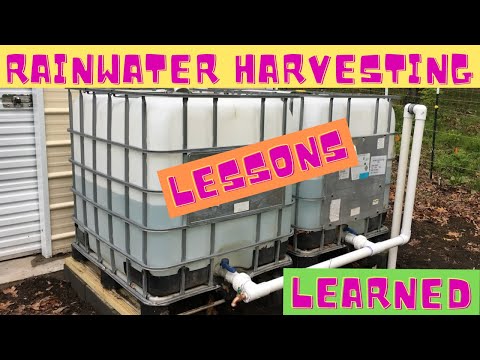
Rainwater Harvesting Lessons Learned
Duration: 16:53. Views: 256.3K views
► Play

Rainwater Harvesting With A Tarp
Duration: 06:19. Views: 106.3K views
► Play
Thats the complete discussion and the Most Sought Videos that can display connected with 10 Sustainable Landscaping Ideas with Rainwater Harvesting Systems. Don’t forget to share or bookmark this page for future reference.
Related Post to 10 Sustainable Landscaping Ideas With Rainwater Harvesting Systems
15 Front Porch Garden Design Ideas With Hanging Baskets
Transforming a front porch into a welcoming and vibrant space can significantly enhance curb appeal and create a positive first impression. One effective way... Read More
10 Backyard Deck Garden Design Ideas With Plants And Seating
Transforming a backyard deck into a lush garden oasis is an attainable goal for homeowners seeking to enhance their outdoor living space. By integrating... Read More
10 Rooftop Garden Design Ideas With Small Pools
Rooftop gardens represent an innovative approach to urban living, transforming unused spaces into vibrant oases. Integrating small pools into these rooftop sanctuaries elevates the... Read More
15 Waterfall Garden Design Ideas For Stunning Landscapes
Waterfalls introduce a dynamic element to any garden, transforming tranquil spaces into vibrant, engaging landscapes. The gentle sound of cascading water promotes relaxation, while... Read More
Classic Living Room Design Ideas
Classic Living Room Design Ideas: Timeless Elegance for Your Home Classic living room design emphasizes timelessness and sophistication, creating a space that feels both... Read More