Home Design Ideas, Tips and References website. Search anything about Home Design in this website.
10 Sustainable Landscaping Ideas With Rainwater Harvesting Systems
Embarking on a landscaping project presents an opportunity to enhance a property’s aesthetic appeal while simultaneously contributing to environmental sustainability. By integrating rainwater harvesting systems with eco-conscious landscaping practices, individuals can create aesthetically pleasing and ecologically responsible outdoor spaces. This approach conserves water, reduces stormwater runoff, and promotes biodiversity. The following explores ten sustainable landscaping ideas with rainwater harvesting, providing practical guidance for implementing these strategies.
Sustainable Landscaping Ideas with Rainwater Harvesting Systems
Sustainable landscaping aims to minimize environmental impact by using resources efficiently and promoting ecological health. Rainwater harvesting plays a crucial role in this approach by capturing and storing rainwater for later use, reducing the demand on municipal water supplies. Combining sustainable landscaping practices with rainwater harvesting systems offers a holistic approach to creating beautiful and environmentally friendly outdoor spaces. This integration not only conserves water but also supports healthier ecosystems and reduces the environmental footprint of landscaping activities.
Adopting sustainable landscaping principles and incorporating rainwater harvesting requires careful planning and design. Consider the local climate, soil conditions, and plant selection to ensure the success of the project. By implementing these strategies, property owners can create landscapes that are both visually appealing and environmentally responsible, contributing to a more sustainable future.
Rain Barrels for Garden Irrigation
Rain barrels are a simple and effective way to collect rainwater from roof runoff. Placed beneath downspouts, rain barrels capture rainwater that can then be used for garden irrigation. This reduces the need for municipal water, conserving a valuable resource and lowering water bills. The collected rainwater is free of chemicals and minerals found in treated water, making it ideal for plants.
To maximize the benefits of rain barrels, consider using multiple barrels connected in series to increase storage capacity. Choose opaque barrels to prevent algae growth and ensure they are covered to keep out debris and insects. Regularly inspect and maintain the barrels to ensure they are functioning properly and providing a clean water source for garden irrigation. This simple addition can significantly reduce water consumption and promote healthier plant growth.
Rain Gardens to Manage Runoff
Rain gardens are shallow, vegetated depressions designed to capture and filter rainwater runoff from impervious surfaces such as roofs, driveways, and patios. These gardens help to reduce stormwater runoff, prevent erosion, and recharge groundwater. Plant selection is crucial for rain gardens; choose native plants that can tolerate both wet and dry conditions. These plants help to filter pollutants and improve water quality.
Designing a rain garden involves carefully considering the size and location based on the amount of runoff to be managed. The garden should be located at least 10 feet away from the foundation of a building to prevent water damage. The soil should be amended with compost and other organic matter to improve drainage and support plant growth. Rain gardens not only manage runoff but also provide habitat for beneficial insects and pollinators, enhancing biodiversity in the landscape.
Dry Wells for Subsurface Infiltration
Dry wells are underground structures designed to collect and infiltrate rainwater into the soil. They typically consist of a pit filled with gravel or other porous materials that allow water to slowly percolate into the surrounding soil. Dry wells are particularly useful for managing runoff from roofs, driveways, and other impervious surfaces. They help to reduce stormwater runoff and recharge groundwater, contributing to water conservation efforts.
Proper installation of a dry well is essential for its effectiveness. The size of the dry well should be determined based on the amount of runoff to be managed and the soil’s infiltration rate. The well should be located in an area with well-draining soil and away from underground utilities. Regular maintenance, such as removing sediment and debris, is necessary to ensure the dry well continues to function properly. Dry wells offer an efficient way to manage runoff and promote groundwater recharge, contributing to sustainable water management practices.
Permeable Paving for Reduced Runoff
Permeable paving materials, such as porous concrete, permeable pavers, and gravel, allow rainwater to infiltrate directly into the ground, reducing stormwater runoff and preventing flooding. These materials are ideal for driveways, walkways, and patios. By allowing water to seep into the soil, permeable paving helps to recharge groundwater and reduce the amount of pollutants entering waterways.
Choosing the right permeable paving material depends on the specific application and aesthetic preferences. Porous concrete offers a durable and long-lasting surface, while permeable pavers provide a more decorative option. Gravel is a cost-effective choice for pathways and driveways. Proper installation is crucial for the effectiveness of permeable paving; ensure the base is properly prepared and the materials are installed according to manufacturer’s instructions. Permeable paving is a sustainable landscaping practice that helps to manage stormwater runoff and promote water conservation.
Green Roofs for Water Retention
Green roofs, also known as vegetated roofs, are roofing systems that are partially or completely covered with vegetation and a growing medium, planted over a waterproofing membrane. Green roofs offer numerous environmental benefits, including reducing stormwater runoff, improving air quality, and providing insulation. They also create habitat for wildlife and enhance the aesthetic appeal of buildings.
Designing a green roof involves carefully considering the structural capacity of the building, the type of vegetation to be used, and the drainage system. Extensive green roofs, which feature shallow growing mediums and low-maintenance plants, are suitable for most buildings. Intensive green roofs, which have deeper growing mediums and can support a wider variety of plants, require stronger structural support. Green roofs help to retain rainwater, reducing the amount of runoff entering stormwater systems and contributing to sustainable water management.
Swales and Drainage Ditches for Water Diversion
Swales and drainage ditches are shallow, vegetated channels designed to divert and convey rainwater runoff across a landscape. These features help to slow down the flow of water, allowing it to infiltrate into the soil and reducing erosion. Swales and drainage ditches are particularly useful for managing runoff on sloping properties. They can be designed to direct water towards rain gardens, dry wells, or other stormwater management features.
Proper design of swales and drainage ditches involves considering the slope of the land, the amount of runoff to be managed, and the type of vegetation to be used. The channels should be wide and shallow to slow down the flow of water and allow for maximum infiltration. Native plants with deep roots are ideal for stabilizing the soil and filtering pollutants. Swales and drainage ditches provide an effective and natural way to manage stormwater runoff and promote water conservation.
Cisterns for Large-Scale Water Storage
Cisterns are large tanks used to store rainwater for various purposes, such as irrigation, toilet flushing, and even potable water in some cases. Cisterns can be located above ground or underground, depending on space constraints and aesthetic preferences. They are an excellent option for properties with large roofs or significant rainwater harvesting potential.
Selecting the right size and type of cistern depends on the amount of rainwater to be collected and the intended uses. Above-ground cisterns are easier to install and maintain, while underground cisterns offer a more discreet solution. Proper filtration and disinfection are essential to ensure the water is safe for its intended use. Cisterns provide a reliable source of water, reducing reliance on municipal water supplies and promoting water conservation.
Native Plant Landscaping for Water Conservation
Native plants are adapted to the local climate and soil conditions, requiring less water, fertilizer, and pesticides than non-native species. Using native plants in landscaping reduces the need for irrigation, conserving water and promoting ecological health. Native plants also provide habitat and food for local wildlife, enhancing biodiversity in the landscape. Consider implementing eco friendly landscaping ideas with native plants to create a sustainable landscape.
Selecting native plants involves researching the specific species that are well-suited to the local environment. Consider factors such as sunlight exposure, soil type, and drainage conditions. Group plants with similar water requirements together to further reduce water consumption. Native plant landscaping is a sustainable practice that supports water conservation, reduces maintenance requirements, and promotes a healthy ecosystem.
Xeriscaping for Drought-Tolerant Landscapes
Xeriscaping is a landscaping technique that focuses on creating drought-tolerant landscapes using water-wise plants and efficient irrigation methods. Xeriscaping principles include soil analysis, efficient irrigation, mulching, and the use of drought-tolerant plants. Xeriscaping reduces water consumption and maintenance requirements, making it an ideal choice for arid and semi-arid regions.
Implementing xeriscaping involves carefully planning the landscape design and selecting plants that are well-suited to the local climate. Group plants with similar water requirements together and use efficient irrigation methods, such as drip irrigation, to deliver water directly to the root zone. Mulching helps to retain soil moisture and suppress weed growth. Xeriscaping is a sustainable landscaping practice that promotes water conservation and creates beautiful, low-maintenance landscapes.
Mulching for Moisture Retention
Mulching is the process of applying a layer of organic or inorganic material to the soil surface. Mulch helps to retain soil moisture, suppress weed growth, regulate soil temperature, and prevent erosion. Organic mulches, such as wood chips, bark, and compost, also improve soil fertility as they decompose. Mulching is an essential practice for sustainable landscaping and water conservation. Also think about considering landscaping ideas with pathways and lighting to improve the overall landscape.
Selecting the right type of mulch depends on the specific application and aesthetic preferences. Organic mulches are ideal for gardens and planting beds, while inorganic mulches, such as gravel and rock, are suitable for pathways and xeriscaping projects. Apply a layer of mulch 2-4 inches thick, being careful not to pile it against the base of plants. Mulching is a simple yet effective way to conserve water, reduce maintenance, and promote healthy plant growth.
By incorporating these ten sustainable landscaping ideas with rainwater harvesting systems, property owners can create beautiful, environmentally responsible outdoor spaces that conserve water, reduce stormwater runoff, and promote biodiversity. These practices contribute to a more sustainable future while enhancing the aesthetic appeal and ecological health of landscapes.
List of the Most Exciting Videos Relating to 10 Sustainable Landscaping Ideas with Rainwater Harvesting Systems
Rainscaping 101 : How to Create a Rain Garden for Sustainable Landscaping at Home
Rain Water Harvesting Working Model/School project for exhibition/Sst project /Kansal Creation
Build Water Self Sufficiency with Rooftop Harvesting
List of the Most Popular Videos Related to Rainscaping 101 : How to Create a Rain Garden for Sustainable Landscaping at Home

Rainwater Harvesting Explanation | Advantages Of Rainwater Harvesting | Rainwater Harvesting Model
Duration: 04:18. Views: 8.2K views
► Play

Rain Water Harvesting Working Model rain Water Harvesting Science Exhibition Project||
Duration: 04:03. Views: 973 views
► Play

Harvesting Rainwater Is Key To Living More Sustainably #livingsustainablywithus #rainwaterharvesting
Duration: . Views: 913 views
► Play

Harvesting Of Organic Vegetables From Rooftop Terrace Garden
Duration: 10:57. Views: 2.6M views
► Play

Rainwater Harvesting Home System Tour
Duration: 10:27. Views: 1.2M views
► Play

Rain Water Harvesting Methods
Duration: 03:01. Views: 35K views
► Play
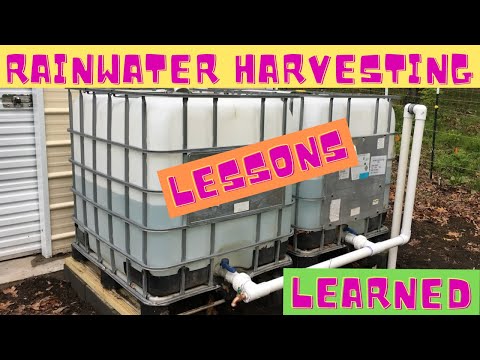
Rainwater Harvesting Lessons Learned
Duration: 16:53. Views: 256.3K views
► Play

Rainwater Harvesting With A Tarp
Duration: 06:19. Views: 106.3K views
► Play
Thats the complete discussion and the Most Sought Videos that we can present associated with 10 Sustainable Landscaping Ideas with Rainwater Harvesting Systems. Don’t forget to share or bookmark this page for future reference.
Related Post to 10 Sustainable Landscaping Ideas With Rainwater Harvesting Systems
15 Front Porch Garden Design Ideas With Hanging Baskets
Transforming a front porch into a welcoming and vibrant space can significantly enhance curb appeal and create a positive first impression. One effective way... Read More
10 Backyard Deck Garden Design Ideas With Plants And Seating
Transforming a backyard deck into a lush garden oasis is an attainable goal for homeowners seeking to enhance their outdoor living space. By integrating... Read More
10 Rooftop Garden Design Ideas With Small Pools
Rooftop gardens represent an innovative approach to urban living, transforming unused spaces into vibrant oases. Integrating small pools into these rooftop sanctuaries elevates the... Read More
15 Waterfall Garden Design Ideas For Stunning Landscapes
Waterfalls introduce a dynamic element to any garden, transforming tranquil spaces into vibrant, engaging landscapes. The gentle sound of cascading water promotes relaxation, while... Read More
Classic Living Room Design Ideas
Classic Living Room Design Ideas: Timeless Elegance for Your Home Classic living room design emphasizes timelessness and sophistication, creating a space that feels both... Read More