Home Design Ideas, Tips and References website. Search anything about Home Design in this website.
12 Front Fence Garden Design Ideas With Climbing Plants
Enhancing curb appeal involves more than just a well-manicured lawn; the front fence presents a unique canvas for garden design. Integrating climbing plants with front fences provides an opportunity to create a visually appealing and welcoming entrance to any property. This article explores twelve front fence garden design ideas that utilize climbing plants to transform an ordinary fence into a vibrant garden feature.
Climbing plants offer a vertical dimension to garden design, maximizing space and adding layers of texture and color. They can soften the hard lines of a fence, creating a more natural and inviting aesthetic. Furthermore, certain climbing plants can provide privacy, screen unsightly views, and even attract pollinators to the garden.
The selection of climbing plants and the design approach should consider factors such as the fence material, the amount of sunlight the area receives, and the desired aesthetic. From classic roses to modern vines, the options are diverse and adaptable to various architectural styles and personal preferences. Let us delve into 12 distinct design concepts that showcase the transformative power of combining climbing plants with front fences, keeping in mind the beauty of the Front Yard Landscaping Ideas with Flowers.
Front Fence Garden Design Ideas with Climbing Plants
The strategic use of climbing plants can dramatically enhance the aesthetic appeal of any front fence. These designs not only beautify the property but also create a welcoming atmosphere for visitors and passersby. Whether the preference leans towards a traditional, romantic look or a more modern, minimalist style, there is a climbing plant and design to suit every taste. These 12 ideas serve as a starting point for transforming a simple fence into a stunning garden feature.
Classic Rose-Covered Fence
1. The classic rose-covered fence exudes romance and timeless beauty. This design involves training climbing roses, such as ‘Climbing Iceberg’ or ‘New Dawn,’ along a sturdy fence structure. Regular pruning and training are essential to maintain the desired shape and encourage abundant blooms.
2. This design pairs well with traditional architectural styles and creates a cottage-garden aesthetic. Support structures, such as trellises or wires, may be necessary to guide the rose canes and ensure even coverage. Consider the rose variety’s fragrance to further enhance the sensory experience.
Wisteria Wonderland
3. Wisteria, with its cascading blooms and intoxicating fragrance, can transform a front fence into a breathtaking spectacle. However, it is crucial to choose a non-invasive variety, such as American wisteria ( *Wisteria frutescens* ), to avoid potential ecological problems. These non-invasive types still offer the same dramatic beauty.
4. Wisteria requires a robust support system due to its vigorous growth and heavy vines. A sturdy fence and well-anchored trellis are necessary to accommodate its weight. Regular pruning is also vital to control its spread and encourage flowering.
Ivy Elegance
5. Ivy, in its various forms, provides a lush and verdant covering for a front fence. English ivy (*Hedera helix*) is a popular choice, but it can be invasive in some regions. Consider alternatives such as Boston ivy (*Parthenocissus tricuspidata*), which offers stunning fall foliage. Boston Ivy could be your best choice when looking at Eco Friendly Landscaping Ideas with Native Plants.
6. Ivy is relatively low-maintenance and adaptable to various soil conditions. However, it is essential to monitor its growth to prevent it from becoming too dense or spreading beyond the fence. Regular trimming will keep it neat and contained.
Clematis Charm
7. Clematis offers a diverse range of colors, shapes, and sizes, making it a versatile choice for front fence garden designs. Varieties such as ‘Jackmanii’ or ‘Nelly Moser’ provide stunning blooms and add a touch of elegance to any fence.
8. Clematis prefers well-drained soil and requires support for its tendrils to cling to. Planting companion plants at its base helps to keep the roots cool and shaded. Regular pruning encourages vigorous growth and abundant flowering.
Jasmine Scented Screen
9. Jasmine, with its intoxicating fragrance and delicate white flowers, creates a sensory delight along a front fence. Star jasmine (*Trachelospermum jasminoides*) is a popular choice for its evergreen foliage and fragrant blooms.
10. Jasmine prefers full sun to partial shade and well-drained soil. It requires support, such as a trellis or wires, to climb effectively. Regular watering and fertilization will promote healthy growth and abundant flowering.
Honeysuckle Haven
11. Honeysuckle, with its fragrant and colorful blooms, attracts hummingbirds and butterflies to the garden. Choose native varieties, such as trumpet honeysuckle (*Lonicera sempervirens*), to support local ecosystems and minimize the risk of invasiveness.
12. Honeysuckle thrives in full sun to partial shade and requires well-drained soil. It needs a sturdy support structure to climb and can become quite vigorous. Regular pruning will help to control its growth and encourage flowering. You should also research Garden Design Ideas for Small Gardens.
Creating Unique Garden Designs Using Climbing Plants
Beyond simply planting climbing plants along a fence, strategic design can create truly unique and eye-catching features. Combining different plant varieties, incorporating artistic trellises, and considering the overall landscape design can elevate the front fence from a mere boundary to a captivating garden element. These design approaches focus on creativity and personalized expression.
Vertical Vegetable Garden
13. Integrate edible climbing plants, such as pole beans, cucumbers, or climbing squash, into the front fence design. This approach combines aesthetics with functionality, providing fresh produce while enhancing the curb appeal. Ensure adequate sunlight and support for the vegetables.
14. A vertical vegetable garden not only provides fresh produce but also adds visual interest to the front fence. Consider using attractive trellises or supports to showcase the climbing vegetables. Regular watering and fertilization are essential for optimal growth and yield.
Mixed Planting Extravaganza
15. Combine several different climbing plant species along the front fence to create a tapestry of colors, textures, and fragrances. Choose plants with complementary growth habits and flowering times to ensure a continuous display throughout the season. Combining plants ensures a good looking landscape such as when checking Low Maintenance Landscaping Plants.
16. This design approach requires careful planning to ensure that the different plants thrive together. Consider the individual needs of each species, such as sunlight, water, and soil conditions. Regular pruning and maintenance will help to keep the planting balanced and attractive.
Sculptural Trellis Feature
17. Incorporate a custom-designed trellis into the front fence to create a sculptural element that showcases climbing plants. The trellis can be made from various materials, such as wood, metal, or bamboo, and can be designed in a variety of shapes and styles.
18. The trellis serves as both a support structure for the climbing plants and a decorative feature in its own right. Choose climbing plants that complement the style of the trellis and enhance its visual impact. This creates a unique focal point for your garden.
Seasonal Color Display
19. Select climbing plants that offer a succession of blooms or foliage color throughout the year. This ensures that the front fence remains visually appealing regardless of the season. Consider plants with spring flowers, summer foliage, and autumn color.
20. Planning for seasonal color requires careful plant selection and knowledge of bloom times and foliage changes. Regular pruning and maintenance will help to keep the plants healthy and vibrant throughout the year.
Considerations for Selecting Climbing Plants for Front Fences
Choosing the right climbing plants for a front fence requires careful consideration of several factors, including the fence material, the amount of sunlight the area receives, the desired aesthetic, and the potential maintenance requirements. Selecting plants that are well-suited to the environment and design goals will ensure a successful and long-lasting garden feature.
Fence Material Compatibility
21. Different fence materials have varying levels of strength and durability, which can impact the types of climbing plants that are suitable. Lightweight vines are well-suited for weaker fences, while heavier vines require stronger structures. Consider the potential weight and growth habit of the climbing plant before planting.
22. Wood fences may require additional protection to prevent rot or decay caused by climbing plants. Metal fences may need to be treated to prevent rust. Choose climbing plants that are compatible with the fence material and will not cause damage.
Sunlight and Exposure
23. The amount of sunlight that the front fence receives will significantly influence the types of climbing plants that will thrive. Full-sun plants require at least six hours of direct sunlight per day, while shade-tolerant plants can tolerate less. Choose plants that are well-suited to the specific sunlight conditions of the site.
24. Consider the orientation of the fence and the potential for shading from nearby trees or buildings. This will help to determine the amount of sunlight that the climbing plants will receive throughout the day. This also adds to the overall Contemporary Front Yard Landscaping Design.
Maintenance Requirements
25. Different climbing plants have varying maintenance requirements, including pruning, watering, fertilization, and pest control. Choose plants that are compatible with the available time and resources for maintenance. Low-maintenance plants are ideal for busy homeowners.
26. Regular maintenance is essential to keep climbing plants healthy and attractive. Pruning helps to control their growth, encourage flowering, and prevent them from becoming too dense or unruly. Proper watering and fertilization will ensure that the plants receive the nutrients they need to thrive.
Collection of the Most Sought Videos about 12 Front Fence Garden Design Ideas with Climbing Plants
Landscaping along a fence//🍃🌳🌱Bobby K Designs
Beautiful landscaping ideas along fences! 120 ideas for inspiration!
Building a 7 Foot Tall Deer Proof Garden Fence
Collection of the Most Sought Videos about Landscaping along a fence//🍃🌳🌱Bobby K Designs

Fence Planning & Layout
Duration: 05:28. Views: 407.8K views
► Play

Gardening Tips: Supporting Climbers
Duration: 04:22. Views: 235.4K views
► Play

How To Install Garden Fencing
Duration: 04:43. Views: 807K views
► Play
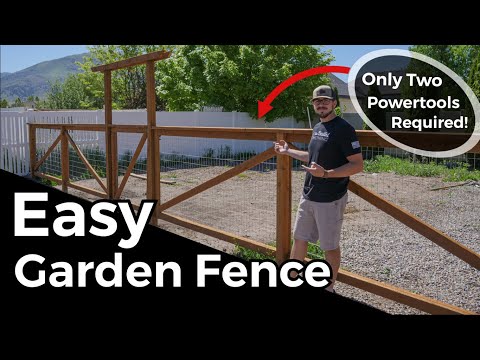
Build A Simple Garden Fence!
Duration: 03:37. Views: 41.2K views
► Play

The Simplest Fence You Can Build
Duration: 08:08. Views: 268.6K views
► Play

Cheapest Diy Trellis For Vines And Climbing Plants
Duration: 06:04. Views: 172.5K views
► Play
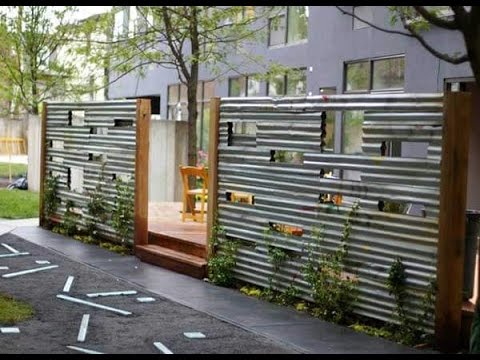
29 Gorgeous Fence Design Ideas
Duration: 02:47. Views: 640.2K views
► Play

Installing A Vegetable Garden Fence
Duration: 19:24. Views: 3.8K views
► Play
Thats the complete discussion and the Most Exciting Videos that we can display related with 12 Front Fence Garden Design Ideas with Climbing Plants. Don’t forget to share or bookmark this page for future reference.
Related Post to 12 Front Fence Garden Design Ideas With Climbing Plants
15 Front Porch Garden Design Ideas With Hanging Baskets
Transforming a front porch into a welcoming and vibrant space can significantly enhance curb appeal and create a positive first impression. One effective way... Read More
10 Backyard Deck Garden Design Ideas With Plants And Seating
Transforming a backyard deck into a lush garden oasis is an attainable goal for homeowners seeking to enhance their outdoor living space. By integrating... Read More
10 Rooftop Garden Design Ideas With Small Pools
Rooftop gardens represent an innovative approach to urban living, transforming unused spaces into vibrant oases. Integrating small pools into these rooftop sanctuaries elevates the... Read More
15 Waterfall Garden Design Ideas For Stunning Landscapes
Waterfalls introduce a dynamic element to any garden, transforming tranquil spaces into vibrant, engaging landscapes. The gentle sound of cascading water promotes relaxation, while... Read More
Classic Living Room Design Ideas
Classic Living Room Design Ideas: Timeless Elegance for Your Home Classic living room design emphasizes timelessness and sophistication, creating a space that feels both... Read More