Home Design Ideas, Tips and References website. Search anything about Home Design in this website.
12 Landscaping Ideas For Shade Gardens With Limited Sunlight
Creating a vibrant and inviting garden in shady areas with limited sunlight can be a rewarding challenge. Many homeowners face the issue of transforming these often-overlooked spaces into lush, thriving environments. The key is selecting the right plants and incorporating creative design elements that maximize the available light and enhance the overall aesthetic appeal. This article explores twelve landscaping ideas specifically tailored for shade gardens with limited sunlight, offering practical tips and inspiration to transform these areas into beautiful and functional outdoor spaces.
Landscaping Ideas for Shade Gardens: Embracing the Challenge
Gardens in shaded areas present unique challenges compared to those basking in full sun. Limited sunlight affects plant growth, soil moisture, and overall garden health. Selecting plants that thrive in shade and understanding the specific conditions of the garden are crucial for success. This section provides insights into the specific challenges of shade gardens and how to overcome them, setting the stage for implementing effective landscaping solutions. It is important to consider the amount of shade each area of the yard recieves. Some parts may be in full shade, whereas others may recive partial shade, or dappled sunlight.
The term “shade garden” encompasses a wide range of conditions, from areas receiving only a few hours of filtered sunlight to spots that are perpetually dark. Recognizing the type of shade is the first step in planning a successful garden. Deep shade, often found under dense tree canopies or on the north side of buildings, requires plants that can tolerate very low light levels. Partial shade, on the other hand, offers more options, allowing for a broader selection of plants that can handle some sunlight.
Selecting the Right Plants for Shady Areas
The cornerstone of any successful shade garden is the careful selection of plants that are well-suited to low-light conditions. Certain plants are naturally adapted to thrive in shaded environments, showcasing vibrant foliage and delicate blooms even without direct sunlight. These plants not only survive but also contribute to the aesthetic appeal of the garden. When choosing plants, look for those labeled “shade-tolerant” or “shade-loving.”
Some excellent choices for shade gardens include hostas, ferns, and impatiens. Hostas are renowned for their diverse foliage colors and textures, adding visual interest even without flowers. Ferns bring a touch of woodland elegance with their intricate fronds, and impatiens provide a burst of color with their continuous blooms throughout the growing season. Combining these and other shade-tolerant plants can create a layered and dynamic garden design.
Enhancing Visual Appeal with Foliage and Texture
In shade gardens, where colorful blooms may be less abundant, foliage and texture play a pivotal role in creating visual interest. Varying leaf shapes, sizes, and colors can add depth and dimension to the garden, making it an engaging and captivating space. This strategy involves combining different plants to create a tapestry of textures and hues that complement each other.
Consider pairing plants with contrasting foliage, such as the bold leaves of hostas with the delicate fronds of ferns. Incorporating plants with different textures, like the rough bark of a tree and the smooth leaves of a groundcover, can also enhance the visual appeal. Silver or variegated foliage can brighten up shady areas by reflecting light, creating a sense of depth and spaciousness. If you’re looking for more Garden Design Ideas for Small Gardens, check out our related articles!
Creative Design Elements for Shade Gardens with Limited Sunlight
Beyond plant selection, creative design elements can transform a shady area into a stunning garden. Incorporating features like pathways, water elements, and lighting can enhance the overall ambiance and make the space more inviting. These elements not only add visual interest but also create a functional and enjoyable outdoor area.
Strategic use of hardscaping, such as stone pathways or decorative gravel, can define garden spaces and create a sense of order. Water features, like small fountains or bird baths, can add a soothing element and attract wildlife. Lighting, whether subtle pathway lights or dramatic spotlights, can extend the garden’s usability into the evening hours, creating a magical atmosphere.
Incorporating Pathways and Walkways
Pathways and walkways are essential elements in garden design, guiding visitors through the space and creating a sense of exploration. In shade gardens, pathways can also help to define different planting areas and add structure to the overall layout. The choice of materials can significantly impact the garden’s aesthetic, with options ranging from natural stone to rustic wood chips.
A winding pathway made of flagstone or stepping stones can create a natural and inviting feel, blending seamlessly with the surrounding foliage. Wood chip paths offer a more rustic and informal look, while also providing a soft surface to walk on. Consider adding edging along the pathway to define its boundaries and prevent plants from encroaching, ensuring a clean and organized appearance.
Adding Water Features to Shade Gardens
Water features can bring a sense of tranquility and movement to shade gardens, creating a focal point that draws the eye and enhances the overall ambiance. The sound of trickling water can be particularly soothing, masking unwanted noises and creating a peaceful atmosphere. Water features can range from small, self-contained fountains to larger ponds or streams.
A small, bubbling fountain is a simple and elegant addition to any shade garden, requiring minimal maintenance and providing a constant source of gentle sound. A bird bath not only adds visual interest but also attracts birds, adding life and activity to the garden. For a more elaborate design, consider a small pond with aquatic plants and fish, creating a miniature ecosystem within the garden. Remember, when creating your low-budget backyard landscaping ideas, think about the sustainability of the water feature.
Strategic Lighting for Evening Ambiance
Lighting plays a crucial role in extending the usability of shade gardens into the evening hours, creating a magical and inviting atmosphere. Strategic placement of lights can highlight key features, illuminate pathways, and add depth and dimension to the garden. The choice of lighting fixtures can also contribute to the overall aesthetic, with options ranging from subtle pathway lights to dramatic spotlights.
Pathway lights are essential for safety and navigation, providing gentle illumination along walkways and steps. Uplighting trees and shrubs can create dramatic silhouettes against the night sky, adding depth and dimension to the garden. String lights draped across branches or along fences can add a whimsical and festive touch, creating a cozy and inviting atmosphere for evening gatherings.
Maximizing Light and Space in Limited Sunlight Gardens
In shade gardens with limited sunlight, maximizing the available light and creating a sense of spaciousness is crucial. This can be achieved through various techniques, including the use of reflective surfaces, vertical gardening, and thoughtful plant placement. These strategies help to brighten up the space and make it feel more open and inviting.
Reflective surfaces, such as mirrors or light-colored walls, can bounce sunlight around the garden, increasing the overall brightness. Vertical gardening allows for the efficient use of space, creating lush green walls that add visual interest and depth. Careful plant placement, considering factors like height and density, can also maximize light penetration and create a more balanced and harmonious garden design.
Utilizing Reflective Surfaces to Brighten Spaces
Reflective surfaces are an effective way to brighten up shady areas by bouncing sunlight around the garden. Mirrors, light-colored walls, and even reflective mulch can all contribute to increasing the overall brightness and creating a sense of spaciousness. These surfaces act as natural light amplifiers, making the garden feel more open and inviting.
A strategically placed mirror can create the illusion of a larger garden, reflecting the surrounding foliage and adding depth. Light-colored walls, such as white or pastel shades, can reflect sunlight and brighten up adjacent planting areas. Reflective mulch, such as light-colored gravel or pebbles, can also help to bounce light back onto plants, promoting healthier growth and a brighter appearance.
Vertical Gardening Solutions for Shade
Vertical gardening is an excellent solution for maximizing space in shade gardens, allowing for the creation of lush green walls that add visual interest and depth. Vertical gardens can be created using a variety of structures, including trellises, wall planters, and hanging baskets. These structures provide support for climbing plants and allow for the efficient use of vertical space.
Climbing plants, such as ivy or climbing hydrangea, can be trained to grow along trellises or walls, creating a living green backdrop. Wall planters can be used to display a variety of shade-tolerant plants, adding texture and color to vertical surfaces. Hanging baskets are a versatile option for adding pops of color and foliage at different heights, creating a dynamic and layered garden design.
Strategic Plant Placement for Optimal Light Exposure
Strategic plant placement is crucial for maximizing light exposure in shade gardens. By considering factors like plant height, density, and light requirements, the garden can be designed to ensure that each plant receives the optimal amount of sunlight. This involves placing taller plants at the back of the garden and shorter plants in the front, allowing sunlight to reach all levels.
Plants with denser foliage should be placed in areas where they will not block sunlight from reaching other plants. Plants with higher light requirements should be positioned in areas that receive the most sunlight, even if it is only for a few hours each day. Regularly pruning and thinning out plants can also help to improve light penetration and promote healthier growth. The right Landscaping Ideas for Shade Gardens can turn a problem area into a beautiful asset.
Low-Maintenance Shade Garden Ideas
Maintaining a garden can be time-consuming, but there are numerous low-maintenance options that are perfect for shade gardens. These ideas focus on using plants and materials that require minimal upkeep, allowing homeowners to enjoy a beautiful garden without spending hours on maintenance tasks.
Groundcovers, such as pachysandra or vinca minor, are excellent for suppressing weeds and reducing the need for frequent weeding. Mulch, such as wood chips or pine straw, can also help to control weeds and retain moisture in the soil. Selecting plants that are naturally resistant to pests and diseases can further reduce the need for maintenance.
Groundcovers for Weed Suppression and Easy Care
Groundcovers are an essential component of low-maintenance shade gardens, providing a natural and effective way to suppress weeds and reduce the need for frequent weeding. These plants spread quickly, forming a dense mat that covers the soil and prevents weeds from germinating. Groundcovers also help to retain moisture in the soil and prevent erosion.
Pachysandra is a popular choice for shade gardens, with its glossy evergreen foliage and ability to thrive in low-light conditions. Vinca minor is another excellent option, offering delicate blue flowers in the spring and forming a dense, spreading groundcover. Other suitable groundcovers for shade gardens include creeping thyme, sweet woodruff, and wild ginger.
Mulching Techniques for Moisture Retention
Mulching is a simple yet effective technique for retaining moisture in the soil, suppressing weeds, and improving the overall health of shade gardens. Mulch acts as a protective layer on the soil surface, reducing evaporation and preventing weeds from germinating. It also helps to regulate soil temperature and provide nutrients as it decomposes.
Wood chips are a popular choice for mulching in shade gardens, offering a natural and rustic look while providing excellent moisture retention. Pine straw is another effective option, creating a soft and acidic mulch that is beneficial for certain plants. Other suitable mulching materials include shredded bark, compost, and leaf mold.
Selecting Pest-Resistant Plants for Less Maintenance
Choosing plants that are naturally resistant to pests and diseases is a key strategy for creating a low-maintenance shade garden. These plants are less likely to require chemical treatments or frequent monitoring, reducing the amount of time and effort needed to maintain the garden. This approach focuses on selecting plants that are well-adapted to the local environment and naturally resilient to common pests and diseases.
Some excellent choices for pest-resistant plants in shade gardens include ferns, hostas, and astilbes. Ferns are generally resistant to most pests and diseases, making them a low-maintenance option for adding texture and greenery. Hostas are relatively pest-resistant, although they can be susceptible to slugs and snails. Astilbes are known for their beautiful plumes of flowers and their resistance to many common garden pests. Why not add some interesting Landscaping Ideas with Pathways and Lighting to accent your new low-maintenance garden?
Collection of the Most Recommended Videos Related to 12 Landscaping Ideas for Shade Gardens with Limited Sunlight
A Guide To Shade Gardening & Shade Garden Plants
SHADE for HOT SUMMER gardens: How, when, and why to add shade
70 Landscaping Lighting Ideas
Collection of the Most Popular Videos Relating to A Guide To Shade Gardening & Shade Garden Plants
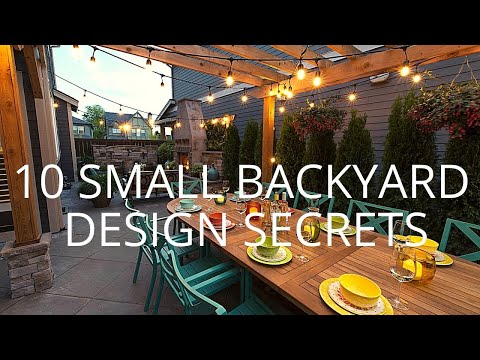
Small Landscape Design Ideas (10 Secrets)
Duration: 16:19. Views: 3.9M views
► Play

Simple Shade Planter
Duration: 05:55. Views: 188.1K views
► Play

Cheapest & Easiest Garden Shade Cloth
Duration: 04:04. Views: 203.6K views
► Play

12 Vegetables That Grow In Shade
Duration: 10:01. Views: 376.2K views
► Play

Top Shade Perennials For Landscaping
Duration: 01:43. Views: 18.9K views
► Play

How & What To Plant Under Shade Trees?
Duration: 19:32. Views: 107.7K views
► Play

Plants For The Shade Garden
Duration: 16:10. Views: 34.8K views
► Play

How To Shade Your Garden For Cheap
Duration: 04:36. Views: 137K views
► Play
Thats the complete discussion and the Most Recommended Videos that we can present associated with 12 Landscaping Ideas for Shade Gardens with Limited Sunlight. Don’t forget to share or bookmark this page for future reference.
Related Post to 12 Landscaping Ideas For Shade Gardens With Limited Sunlight
15 Front Porch Garden Design Ideas With Hanging Baskets
Transforming a front porch into a welcoming and vibrant space can significantly enhance curb appeal and create a positive first impression. One effective way... Read More
10 Backyard Deck Garden Design Ideas With Plants And Seating
Transforming a backyard deck into a lush garden oasis is an attainable goal for homeowners seeking to enhance their outdoor living space. By integrating... Read More
10 Rooftop Garden Design Ideas With Small Pools
Rooftop gardens represent an innovative approach to urban living, transforming unused spaces into vibrant oases. Integrating small pools into these rooftop sanctuaries elevates the... Read More
15 Waterfall Garden Design Ideas For Stunning Landscapes
Waterfalls introduce a dynamic element to any garden, transforming tranquil spaces into vibrant, engaging landscapes. The gentle sound of cascading water promotes relaxation, while... Read More
Classic Living Room Design Ideas
Classic Living Room Design Ideas: Timeless Elegance for Your Home Classic living room design emphasizes timelessness and sophistication, creating a space that feels both... Read More