Home Design Ideas, Tips and References website. Search anything about Home Design in this website.
15 Butterfly Garden Design Ideas To Attract Pollinators
Creating a butterfly garden is a rewarding endeavor, contributing to the well-being of these essential pollinators while adding beauty to the landscape. Attracting butterflies requires careful planning and the selection of specific plants that serve as both nectar sources for adult butterflies and host plants for their larvae. The following are 15 butterfly garden design ideas to effectively attract and support these fascinating creatures.
Butterfly Garden Design Ideas to Attract Pollinators
Butterfly garden design focuses on creating a habitat that meets the needs of butterflies throughout their lifecycle. This involves providing food sources, shelter, and breeding grounds. Successful butterfly gardens are diverse, offering a variety of plants and features that cater to different butterfly species.
The principles of effective butterfly garden design involve considering the local climate, soil conditions, and the specific butterfly species one wishes to attract. By understanding these factors, it is possible to create a thriving garden that supports a healthy butterfly population. Moreover, by selecting indigenous varieties, you reduce the need for high maintenance that also will benefit the environment.
Incorporate Host Plants for Butterfly Larvae
Host plants are essential for butterfly gardens as they provide food for butterfly larvae, also known as caterpillars. Without these plants, butterflies cannot complete their life cycle. Examples of host plants include milkweed for monarch butterflies, dill and parsley for swallowtail butterflies, and violets for fritillary butterflies.
Selecting a variety of host plants ensures that different butterfly species can thrive in the garden. It is important to research which butterfly species are native to the region and provide their preferred host plants. Proper identification of local butterfly species and their host plant preferences will greatly improve the success of the butterfly garden.
Plant Nectar-Rich Flowers for Adult Butterflies
Nectar-rich flowers provide adult butterflies with the energy they need for flight, reproduction, and survival. These flowers should offer a consistent source of nectar throughout the butterfly season. Popular nectar plants include butterfly bush (Buddleja davidii), lavender (Lavandula), salvia, and zinnias.
When selecting nectar plants, it is important to choose varieties with a long bloom time and a range of colors. Butterflies are attracted to brightly colored flowers, especially those in the red, orange, yellow, and purple spectrum. Planting in clusters also makes it easier for butterflies to find the nectar sources.
Create a Butterfly Puddling Station
Butterflies obtain essential minerals and salts from puddling, a behavior where they gather around shallow pools of water. A puddling station can be easily created by placing a shallow dish or tray filled with sand or gravel and keeping it consistently moist. Adding a small amount of sea salt or wood ashes to the water can enhance the attractiveness of the puddling station.
The puddling station should be located in a sunny area of the garden, as butterflies prefer to puddle in warm conditions. Regularly cleaning the station helps prevent the growth of algae and ensures that the water remains clean and fresh for the butterflies. Proper maintenance is key to attracting and supporting a healthy butterfly population.
Provide Shelter from Wind and Predators
Butterflies need shelter from strong winds and predators. This can be achieved by planting shrubs, trees, and tall grasses around the perimeter of the garden. These plants provide a safe haven for butterflies to rest, hide, and escape from adverse weather conditions and predators such as birds and lizards.
Creating a layered landscape with plants of varying heights and densities provides optimal shelter for butterflies. Consider incorporating natural elements such as rock piles or logs to offer additional hiding places. Strategic placement of these elements enhances the overall habitat and increases the chances of attracting and retaining butterflies.
Ensure Plenty of Sunshine
Butterflies are cold-blooded and require sunshine to warm their bodies for flight. A butterfly garden should receive at least six hours of direct sunlight per day. Planting in an open area, away from tall trees or buildings that cast shadows, ensures that butterflies have ample opportunity to bask in the sun.
Dark-colored stones or pavers can be placed in sunny areas of the garden to provide basking spots for butterflies. These surfaces absorb heat and create warm microclimates that butterflies can utilize to regulate their body temperature. Careful consideration of sun exposure is critical for the success of any butterfly garden.
Specific Planting Strategies for Attracting Butterflies
Specific planting strategies are vital for maximizing the attractiveness of a butterfly garden. These strategies involve the careful selection and arrangement of plants to create a diverse and supportive habitat. The goal is to provide a continuous supply of nectar and host plants throughout the growing season.
Effective planting strategies also consider the aesthetic appeal of the garden. By combining plants with different colors, textures, and heights, it is possible to create a visually appealing landscape that is both beautiful and beneficial to butterflies. A well-designed garden is a welcoming space for both butterflies and humans.
Plant in Clusters for Easier Visibility
Planting flowers in clusters makes it easier for butterflies to find them. Large groupings of the same plant species create a more prominent visual signal, attracting butterflies from a greater distance. Clustering also provides a more concentrated source of nectar, allowing butterflies to feed more efficiently.
When planting in clusters, consider the mature size of the plants to ensure that they have enough space to grow and thrive. Grouping plants with similar needs, such as water and sunlight requirements, simplifies maintenance and promotes healthy growth. Eco Friendly Garden Design Ideas for Sustainable Living, such as grouping native species, will also reduce maintenance and watering requirements.
Choose a Variety of Colors and Shapes
Butterflies are attracted to a wide range of colors and shapes. Planting a variety of flowers with different colors, sizes, and forms ensures that the garden appeals to a diverse group of butterfly species. Bright colors such as red, orange, yellow, and purple are particularly attractive to butterflies.
Different butterfly species have different preferences when it comes to flower shape. Some butterflies prefer flowers with flat, landing-pad-like surfaces, while others prefer tubular flowers that they can access with their long proboscises. Offering a variety of flower shapes caters to the diverse feeding habits of butterflies.
Include Plants that Bloom at Different Times
To provide a continuous source of nectar throughout the butterfly season, it is important to include plants that bloom at different times. This ensures that there is always a supply of food available for butterflies, from early spring to late fall. Planning for succession planting is key to maintaining a thriving butterfly garden.
Consider creating a bloom calendar to track the flowering times of different plants. This allows for a strategic approach to planting, ensuring that there are always flowers in bloom. Selecting a mix of early, mid, and late-blooming plants will support butterflies throughout their lifecycle.
Use Native Plants Whenever Possible
Native plants are adapted to the local climate and soil conditions, making them easier to grow and maintain. They also provide the most nutritious food source for native butterflies and other pollinators. Using native plants supports local ecosystems and promotes biodiversity.
Researching which plants are native to the region is an important step in planning a butterfly garden. Local nurseries and extension offices can provide valuable information and resources. Incorporating native plants ensures that the garden is well-suited to the local environment and provides the best possible habitat for butterflies.
Additional Features to Enhance a Butterfly Garden
Beyond plants, several additional features can enhance the attractiveness and functionality of a butterfly garden. These features provide additional resources and support for butterflies, creating a more complete and sustainable habitat. These include water sources, shelter enhancements, and responsible maintenance practices.
These additions not only benefit butterflies but also enhance the overall aesthetic and ecological value of the garden. By incorporating these elements, the garden becomes a vibrant and thriving ecosystem that supports a healthy butterfly population. Remember, Garden Design Ideas for Small Gardens can be easily adopted to create a butterfly paradise even in limited spaces.
Add a Water Feature
A water feature provides a valuable source of moisture for butterflies, especially during hot and dry weather. A shallow dish of water, a small birdbath, or even a damp sponge can serve as a water source. It is important to keep the water clean and fresh, and to provide a safe landing spot for butterflies to access the water without drowning.
Adding pebbles or stones to the water feature provides a place for butterflies to land and drink. Regularly cleaning the water feature prevents the growth of algae and keeps the water appealing to butterflies. A simple water feature can significantly enhance the attractiveness of the butterfly garden.
Provide Basking Rocks
Butterflies are cold-blooded and need to bask in the sun to warm their bodies. Placing large, flat rocks in sunny areas of the garden provides basking spots for butterflies. Dark-colored rocks absorb heat and create warm microclimates that butterflies can utilize to regulate their body temperature.
The rocks should be placed in areas that receive direct sunlight for several hours each day. Arranging the rocks in a natural-looking configuration adds to the aesthetic appeal of the garden. Basking rocks are a simple yet effective addition to any butterfly garden.
Avoid Pesticides and Herbicides
Pesticides and herbicides can be harmful to butterflies and other beneficial insects. It is important to avoid using these chemicals in and around the butterfly garden. Opting for organic gardening practices, such as hand-weeding and using natural pest control methods, protects butterflies and promotes a healthy ecosystem.
Encouraging natural predators, such as ladybugs and lacewings, can help control pests without the need for harmful chemicals. Regularly monitoring plants for signs of pests and diseases allows for early intervention and prevents infestations from becoming severe. A chemical-free garden is essential for the well-being of butterflies.
Offer Overripe Fruit as a Supplemental Food Source
Some butterfly species are attracted to overripe fruit as a supplemental food source. Placing slices of overripe fruit, such as bananas, oranges, and apples, on a plate or platform in the garden can attract these butterflies. This is particularly helpful during periods when nectar sources are scarce.
The fruit should be replaced regularly to prevent it from becoming moldy or attracting unwanted pests. Elevating the fruit above the ground helps to keep it clean and accessible to butterflies. Providing overripe fruit is a simple way to supplement the diet of butterflies and enhance the overall attractiveness of the garden.
Collection of the Most Interesting Videos about 15 Butterfly Garden Design Ideas to Attract Pollinators
DIY pollinator hotel to attract beneficial insects
How to Plant a Pollinator Garden | Ask This Old House
How to Build a Butterfly Garden and Attract Pollinators!
Collection of the Most Sought Videos Related to DIY pollinator hotel to attract beneficial insects

Pollinator Plants For Your Garden; And The Benefits Of The Insects They Attract
Duration: 08:19. Views: 1.8K views
► Play

Buzz Pollination
Duration: 01:22. Views: 24.4K views
► Play
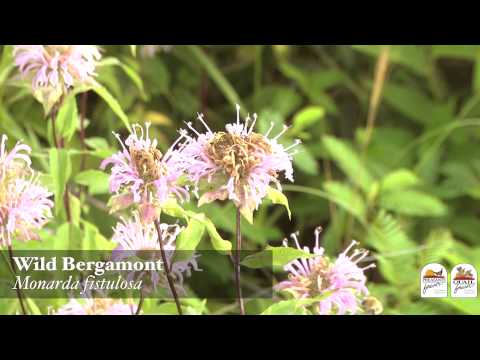
Top 10 Pollinator Plants
Duration: 07:48. Views: 76.6K views
► Play

Butterflies And Pollinators
Duration: 02:06. Views: 14K views
► Play

Start A Butterfly Garden
Duration: 24:18. Views: 23.5K views
► Play
These Plants Attract Hummingbirds
Duration: 03:11. Views: 41K views
► Play

Pollinators And Our Gardens
Duration: 02:50. Views: 53.8K views
► Play

Pollinator Garden – Kids Takeover
Duration: 01:33. Views: 5.6K views
► Play
Thats the complete discussion and the Most Interesting Videos that can present associated with 15 Butterfly Garden Design Ideas to Attract Pollinators. Don’t forget to share or bookmark this page for future reference.
Related Post to 15 Butterfly Garden Design Ideas To Attract Pollinators
15 Front Porch Garden Design Ideas With Hanging Baskets
Transforming a front porch into a welcoming and vibrant space can significantly enhance curb appeal and create a positive first impression. One effective way... Read More
10 Backyard Deck Garden Design Ideas With Plants And Seating
Transforming a backyard deck into a lush garden oasis is an attainable goal for homeowners seeking to enhance their outdoor living space. By integrating... Read More
10 Rooftop Garden Design Ideas With Small Pools
Rooftop gardens represent an innovative approach to urban living, transforming unused spaces into vibrant oases. Integrating small pools into these rooftop sanctuaries elevates the... Read More
15 Waterfall Garden Design Ideas For Stunning Landscapes
Waterfalls introduce a dynamic element to any garden, transforming tranquil spaces into vibrant, engaging landscapes. The gentle sound of cascading water promotes relaxation, while... Read More
Classic Living Room Design Ideas
Classic Living Room Design Ideas: Timeless Elegance for Your Home Classic living room design emphasizes timelessness and sophistication, creating a space that feels both... Read More