Home Design Ideas, Tips and References website. Search anything about Home Design in this website.
15 Seasonal Herb Garden Design Ideas For Fresh Cooking
Creating a seasonal herb garden offers a rewarding experience, providing fresh, flavorful ingredients for culinary endeavors throughout the year. Thoughtful design allows for a continuous supply of herbs, enhancing dishes with their aromatic and medicinal properties. This post explores 15 seasonal herb garden design ideas, focusing on practical layouts and plant selection to maximize freshness and cooking convenience.
Seasonal Herb Garden Design: Cultivating Freshness Year-Round
Seasonal herb garden design is the intentional planning and layout of an herb garden to ensure a continuous supply of fresh herbs throughout the year. This involves considering the specific growing seasons of different herbs, and strategically planting them to maximize yield and availability during their respective peak seasons. Proper design extends beyond mere aesthetics; it ensures a consistent harvest for culinary purposes.
The key to successful seasonal herb gardening lies in understanding the growth cycles of various herbs. Some herbs, such as parsley and cilantro, thrive in cooler weather, while others, like basil and rosemary, flourish in the heat of summer. By incorporating a mix of these seasonal varieties into a well-planned garden design, a steady supply of fresh herbs can be maintained, enhancing the flavor profiles of countless dishes. Furthermore, integrating methods such as succession planting and companion planting maximizes garden productivity and minimizes pest issues. Exploring Budget Friendly Garden Design Ideas That Look Amazing can offer cost-effective solutions for establishing a thriving herb garden.
1. Themed Seasonal Herb Garden: A Culinary Journey
A themed seasonal herb garden centers around a specific cuisine or culinary style. For example, an Italian herb garden might feature basil, oregano, thyme, rosemary, and parsley, all of which are commonly used in Italian cooking. Planting these herbs together in a designated area creates a convenient and flavorful resource for preparing authentic Italian dishes.
Another themed option is a Mediterranean herb garden, which could include rosemary, thyme, sage, lavender, and oregano. These herbs are known for their robust flavors and ability to thrive in warm, sunny climates. A Mexican herb garden could consist of cilantro, epazote, oregano, and various chili peppers. Each themed garden can be designed to reflect the specific flavors and ingredients commonly used in that particular cuisine, providing a readily accessible source of fresh herbs for culinary experimentation. To further enhance your garden, consider integrating Garden Landscaping Ideas for Beginners for structural elements that complement your chosen theme.
2. Container Herb Garden: Portability and Convenience
Container herb gardens offer flexibility and convenience, especially for those with limited space. Herbs can be grown in individual pots or grouped together in larger containers. The portability of containers allows gardeners to move herbs to optimal locations based on sunlight and temperature requirements throughout the year.
When designing a container herb garden, it is important to choose appropriate-sized pots with adequate drainage. A well-draining potting mix is essential for healthy herb growth. Consider grouping herbs with similar watering and sunlight needs together in the same container to simplify care. Container gardens are also ideal for bringing herbs indoors during colder months, extending the growing season and ensuring a continuous supply of fresh herbs. For creative planting arrangements, explore Landscaping Ideas with Container Plants to add visual appeal to your herb garden.
3. Vertical Herb Garden: Maximizing Space
Vertical herb gardens are an excellent solution for small spaces, such as balconies or patios. These gardens utilize vertical structures, such as trellises, pallets, or stacked planters, to grow herbs. Vertical gardens maximize space while adding visual interest to outdoor areas.
When designing a vertical herb garden, it is crucial to select sturdy and weather-resistant materials for the support structure. Ensure adequate drainage for each planting pocket or container. Herbs that trail or cascade, such as creeping thyme or oregano, work well in vertical gardens, creating a lush and visually appealing display. Regular watering and fertilization are essential to maintain healthy growth in vertical herb gardens. Consider exploring Vertical Garden Landscaping Ideas for Small Spaces to find innovative design solutions tailored to limited spaces.
4. Raised Bed Herb Garden: Accessibility and Soil Control
Raised bed herb gardens offer improved accessibility and control over soil conditions. These gardens are constructed using raised structures, typically made of wood, stone, or metal, which are filled with nutrient-rich soil. Raised beds elevate the growing surface, making it easier to tend to herbs without bending or kneeling excessively.
Designing a raised bed herb garden involves selecting appropriate materials for the bed structure and filling it with a well-draining soil mix. The size and shape of the raised bed can be customized to fit the available space and the gardener’s preferences. Raised beds also allow for better control over soil pH and nutrient levels, creating an optimal growing environment for herbs. Mulching around the herbs helps retain moisture and suppress weeds. Explore Eco Friendly Landscaping Ideas with Native Plants to incorporate sustainable practices into your raised bed herb garden.
5. Window Box Herb Garden: Bringing Herbs Indoors
Window box herb gardens bring the freshness of herbs indoors, providing easy access for cooking. These gardens are typically installed on windowsills or balconies, allowing herbs to receive ample sunlight while remaining conveniently close to the kitchen.
When designing a window box herb garden, it is important to choose window boxes that are sturdy and have adequate drainage holes. A lightweight potting mix is recommended to prevent the window box from becoming too heavy. Select herbs that are well-suited to indoor growing conditions, such as parsley, chives, and mint. Regular watering and occasional fertilization are essential to maintain healthy growth in window box herb gardens. These provide an immediate aesthetic touch to any space.
6. Companion Planting Herb Garden: Natural Pest Control
Companion planting involves strategically planting herbs alongside other plants to benefit each other. Certain herbs repel pests, attract beneficial insects, or improve the growth of neighboring plants. Companion planting promotes natural pest control and enhances overall garden health.
Designing a companion planting herb garden requires knowledge of which herbs are beneficial to other plants. For example, basil is often planted near tomatoes to repel pests and improve tomato flavor. Marigolds are known to deter nematodes and other soil pests, making them a valuable companion plant for various herbs. By carefully selecting and positioning herbs based on their companion planting properties, a healthier and more productive garden can be achieved. This type of planning makes gardening easier with natural assistance.
7. Culinary Herb Spiral: A Unique Design Element
A culinary herb spiral is a visually appealing and functional garden design that features herbs planted in a spiral-shaped raised bed. The spiral shape creates microclimates within the garden, allowing for the cultivation of herbs with varying sunlight and moisture requirements. This unique design element adds aesthetic value to the garden while maximizing space and providing diverse growing conditions.
Constructing a culinary herb spiral involves building a raised bed in a spiral shape, typically using stones, bricks, or wood. The height of the spiral gradually increases from the base to the center, creating different levels of drainage and sunlight exposure. Herbs that prefer drier conditions, such as rosemary and thyme, are planted at the top of the spiral, while herbs that require more moisture, such as mint and parsley, are planted at the bottom. This design ensures that each herb receives the optimal growing conditions for healthy growth and flavor development.
8. Tea Herb Garden: Brewing Freshness
A tea herb garden focuses on growing herbs that can be used to make flavorful and aromatic teas. This type of garden typically includes herbs such as chamomile, mint, lemon balm, and lavender, all of which have calming and soothing properties. A tea herb garden provides a readily available source of fresh ingredients for brewing delicious and healthful teas.
Designing a tea herb garden involves selecting herbs that are safe and palatable for tea making. Consider planting herbs with complementary flavors and aromas to create a diverse range of tea blends. Regular harvesting of the herbs encourages new growth and ensures a continuous supply of fresh leaves for brewing. Drying the harvested herbs allows for year-round enjoyment of homemade teas. This allows fresh ingredients for tea on a constant rotation.
9. Fragrant Herb Garden: Aromatic Delight
A fragrant herb garden is designed to stimulate the senses with its delightful aromas. This type of garden typically includes herbs such as lavender, rosemary, sage, and thyme, all of which have strong and distinctive scents. Fragrant herbs can be planted near walkways or seating areas to create a relaxing and inviting atmosphere.
When designing a fragrant herb garden, it is important to consider the placement of herbs in relation to foot traffic and wind direction. Herbs that release their fragrance when brushed against, such as lavender and thyme, are ideal for planting along pathways. Planting fragrant herbs near seating areas creates a pleasant and calming environment. The aromatic compounds released by these herbs can have therapeutic effects, reducing stress and promoting relaxation. Explore Landscaping Ideas with Pathways and Lighting to enhance the sensory experience of your fragrant herb garden.
10. Mediterranean Herb Garden: Sun-Loving Varieties
A Mediterranean herb garden features herbs that thrive in warm, sunny climates with well-drained soil. This type of garden typically includes herbs such as rosemary, thyme, oregano, sage, and lavender, all of which are native to the Mediterranean region. Mediterranean herbs are known for their robust flavors and drought tolerance.
Designing a Mediterranean herb garden involves selecting a location that receives at least six hours of sunlight per day. The soil should be well-draining and slightly alkaline. Mediterranean herbs are relatively low-maintenance and require infrequent watering once established. Pruning regularly encourages bushier growth and prevents the herbs from becoming leggy. These herbs thrive in the warmth and dry climate.
11. Shade-Tolerant Herb Garden: Growing Herbs in Low Light
A shade-tolerant herb garden focuses on growing herbs that can thrive in areas with limited sunlight. This type of garden typically includes herbs such as parsley, mint, chives, and cilantro, all of which can tolerate partial shade. A shade-tolerant herb garden allows for the cultivation of fresh herbs even in areas with less than ideal sunlight conditions.
When designing a shade-tolerant herb garden, it is important to select a location that receives at least three to four hours of sunlight per day. The soil should be rich in organic matter and well-draining. Shade-tolerant herbs typically require more frequent watering than sun-loving herbs. Avoid planting herbs in areas with dense shade, as this can lead to leggy growth and reduced flavor. With good care, these herbs can still thrive in shady areas.
12. Winter Herb Garden: Extending the Growing Season
A winter herb garden aims to extend the growing season by cultivating herbs that can tolerate cold temperatures. This type of garden typically includes herbs such as parsley, thyme, rosemary, and sage, all of which can withstand light frosts. A winter herb garden provides a continuous supply of fresh herbs even during the colder months.
Designing a winter herb garden involves selecting cold-hardy herbs and providing them with adequate protection from the elements. Planting herbs in containers allows them to be moved indoors during extreme cold. Mulching around the base of the plants helps insulate the soil and protect the roots from freezing. Covering the herbs with a frost blanket or cold frame provides additional protection from frost and wind. Consider Garden Design Ideas for Small Gardens that can accommodate a winter herb garden in a compact space.
13. Cottage Herb Garden: Informal and Charming
A cottage herb garden is characterized by its informal and charming design, featuring a mix of herbs, flowers, and vegetables planted in a relaxed and unstructured manner. This type of garden often incorporates elements such as winding pathways, rustic fences, and vintage containers to create a whimsical and inviting atmosphere.
Designing a cottage herb garden involves embracing a free-flowing and naturalistic approach. Herbs are planted in clusters or drifts, intermingled with flowering plants and vegetables. Self-seeding herbs, such as dill and cilantro, are encouraged to naturalize and spread throughout the garden. The overall effect is a charming and abundant garden that exudes warmth and character. This type of garden has an intentionally unstructured style.
14. Edible Flower and Herb Garden: Dual-Purpose Beauty
An edible flower and herb garden combines the beauty of edible flowers with the functionality of herbs, creating a garden that is both visually appealing and culinarily useful. This type of garden typically includes flowers such as nasturtiums, pansies, and calendula, along with herbs such as basil, mint, and rosemary. Edible flowers and herbs add color, flavor, and texture to salads, desserts, and other culinary creations.
Designing an edible flower and herb garden involves selecting flowers and herbs that are safe to eat and have complementary flavors and colors. Consider planting flowers and herbs with varying bloom times to ensure a continuous display of color throughout the growing season. Regular harvesting of the flowers and herbs encourages new growth and prevents the plants from becoming overgrown. Edible flowers and herbs offer a unique and flavorful addition to any meal.
15. Herb Garden for Pollinators: Attracting Beneficial Insects
An herb garden for pollinators focuses on growing herbs that attract bees, butterflies, and other beneficial insects to the garden. This type of garden typically includes herbs such as lavender, borage, thyme, and rosemary, all of which are rich in nectar and pollen. Attracting pollinators to the herb garden enhances pollination of other plants and promotes overall garden health.
Designing an herb garden for pollinators involves selecting herbs with a variety of flower shapes, sizes, and colors to attract a diverse range of pollinators. Avoid using pesticides or herbicides that can harm beneficial insects. Provide a source of water for pollinators, such as a shallow dish or bird bath. Planting herbs in clusters or drifts creates a more attractive and accessible source of nectar and pollen for pollinators. With careful planning, this design will improve overall garden health.
Collection of the Most Recommended Videos Relating to 15 Seasonal Herb Garden Design Ideas for Fresh Cooking
Raised Bed Kitchen and Herb Garden Tour
Genius Tips for Designing a Beautiful Vegetable Garden
7 Tips How to Prep Your Garden for Winter and Spring
Collection of the Most Exciting Videos about Raised Bed Kitchen and Herb Garden Tour

The Forested Garden: What Is A Food Forest?
Duration: 13:11. Views: 988.5K views
► Play

Wow! 100+ Herbs Gardening Area Design Ideas | How To Create Fresh Herbs Garden For Culinary Use
Duration: . Views: 261 views
► Play

Nanyang Technological University Campus Tour
Duration: 11:38. Views: 36.3K views
► Play
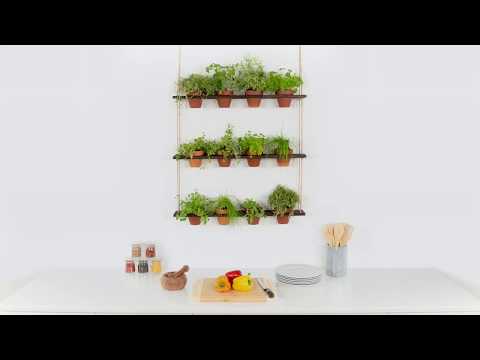
Diy Hanging Herb Garden
Duration: 00:18. Views: 244.2K views
► Play

Herb Garden Design Ideas
Duration: 05:33. Views: 117.8K views
► Play

50+ Beautiful Herb Garden Design Ideas
Duration: 08:45. Views: 8.1K views
► Play

Planting An Herb Garden
Duration: 03:12. Views: 119.3K views
► Play

Over 25 Vegetable Garden Trellising Designs: Crop Examples, Materials, Vertical Growing Ideas
Duration: 24:28. Views: 1.1M views
► Play
That was the complete discussion and the Most Interesting Videos that we can present associated with 15 Seasonal Herb Garden Design Ideas for Fresh Cooking. Don’t forget to share or bookmark this page for future reference.
Related Post to 15 Seasonal Herb Garden Design Ideas For Fresh Cooking
15 Front Porch Garden Design Ideas With Hanging Baskets
Transforming a front porch into a welcoming and vibrant space can significantly enhance curb appeal and create a positive first impression. One effective way... Read More
10 Backyard Deck Garden Design Ideas With Plants And Seating
Transforming a backyard deck into a lush garden oasis is an attainable goal for homeowners seeking to enhance their outdoor living space. By integrating... Read More
10 Rooftop Garden Design Ideas With Small Pools
Rooftop gardens represent an innovative approach to urban living, transforming unused spaces into vibrant oases. Integrating small pools into these rooftop sanctuaries elevates the... Read More
15 Waterfall Garden Design Ideas For Stunning Landscapes
Waterfalls introduce a dynamic element to any garden, transforming tranquil spaces into vibrant, engaging landscapes. The gentle sound of cascading water promotes relaxation, while... Read More
Classic Living Room Design Ideas
Classic Living Room Design Ideas: Timeless Elegance for Your Home Classic living room design emphasizes timelessness and sophistication, creating a space that feels both... Read More