Home Design Ideas, Tips and References website. Search anything about Home Design in this website.
10 Zen Garden Design Ideas For Peaceful Outdoor Retreats
Creating a peaceful outdoor retreat is a pursuit shared by many. The incorporation of a Zen garden, characterized by its simplicity and tranquility, offers an effective approach to achieving this goal. This article explores ten Zen garden design ideas, focusing on elements that promote relaxation and mindfulness within the outdoor space. By understanding the core principles and adapting them to individual preferences, one can transform any garden into a sanctuary of calm.
Zen Garden Design Ideas for Tranquil Outdoor Spaces
The essence of Zen gardens lies in their ability to evoke a sense of serenity and contemplation. These gardens, also known as Japanese rock gardens, typically feature carefully arranged rocks, gravel, sand, and minimal planting. The design aims to stimulate meditation and a connection with nature. The deliberate placement of each element is crucial, reflecting a deeper philosophical understanding of balance and harmony.
Several interpretations and adaptations of the classic Zen garden exist. From miniature tabletop versions to expansive outdoor landscapes, the principles of simplicity, naturalness, and asymmetry remain central. The key is to personalize the design to create a space that resonates with individual sensibilities while maintaining the fundamental elements of a Zen garden.
Implementing a Traditional Rock Garden Design
A classic rock garden design emphasizes the use of carefully selected rocks, gravel, and sand to represent mountains and bodies of water. The rocks are typically arranged in groups, often in odd numbers, and are partially buried to simulate natural formations. The gravel or sand is raked in patterns to suggest flowing water, creating a visual representation of the natural world.
The selection of rocks is a critical step. Opt for rocks that exhibit interesting shapes, textures, and colors. The rocks should appear natural and unpolished, blending seamlessly with the surrounding environment. Consider incorporating a variety of sizes and shapes to add visual interest and depth to the design. The raking patterns in the gravel or sand should be fluid and organic, mimicking the movement of water.
Creating a Miniature Zen Garden for Indoor Calm
A miniature Zen garden offers a scaled-down version of the traditional design, making it suitable for indoor spaces. This type of garden typically consists of a shallow tray filled with sand or gravel, small rocks, and miniature accessories such as rakes and figurines. Miniature Zen gardens provide a convenient way to bring the calming influence of Zen design into the home or office. Garden Design Ideas for Small Gardens can provide insights into how to maximize limited spaces.
The design of a miniature Zen garden allows for creative expression and personal interpretation. Experiment with different arrangements of rocks and raking patterns to create unique and evolving landscapes. The addition of small plants, such as succulents or moss, can enhance the natural aesthetic. The act of tending to the garden and creating new designs can be a meditative and relaxing practice.
Integrating Moss into a Zen Garden for a Natural Touch
Moss, with its soft texture and vibrant green color, can add a natural and calming element to a Zen garden. Moss gardens evoke a sense of serenity and tranquility, creating a connection with the natural world. Different varieties of moss can be used to create varying textures and visual interest.
When incorporating moss into a Zen garden, it is important to consider its environmental needs. Moss thrives in moist, shaded environments, so choose a location that provides these conditions. Use rocks or logs to create a naturalistic setting for the moss to grow. The moss will create a soft and visually interesting ground cover. Regular watering and maintenance will help ensure the moss remains healthy and vibrant.
Utilizing Bamboo for a Sense of Tranquility and Verticality
Bamboo, a versatile and visually appealing plant, can be incorporated into a Zen garden to add a sense of tranquility and verticality. Its graceful stalks and gentle swaying movement create a calming atmosphere. Bamboo is also a symbol of resilience and strength, aligning with the principles of Zen philosophy.
Different types of bamboo can be used in a Zen garden, depending on the desired effect. Clumping bamboo varieties are ideal for creating screens or borders, while running bamboo should be contained to prevent it from spreading aggressively. Consider the size and growth habit of the bamboo when selecting a location for planting. Pruning the bamboo regularly will help maintain its shape and prevent it from becoming overgrown.
Incorporating a Water Feature for Sound and Movement
The gentle sound of water can enhance the calming atmosphere of a Zen garden. Incorporating a water feature, such as a small fountain or a trickling stream, can create a sense of tranquility and movement. The water element also represents purity and fluidity, aligning with the principles of Zen philosophy.
Various types of water features can be incorporated into a Zen garden, depending on the available space and budget. A simple stone basin with a bamboo spout can create a minimalist and elegant design. A larger pond or stream can add a more dramatic element to the garden. Ensure that the water feature is properly maintained to prevent algae growth and keep the water clean. Regular cleaning and maintenance are necessary to preserve its aesthetic appeal.
Employing the Use of Stepping Stones for Mindful Walking
Stepping stones can be used to create pathways through a Zen garden, encouraging mindful walking and contemplation. The act of carefully placing each step promotes awareness and focus. Stepping stones can also add a visual element to the design, creating a sense of rhythm and movement.
The design of the stepping stones should complement the overall aesthetic of the Zen garden. Natural stones, such as flagstone or river rock, are ideal for creating a rustic and organic look. The stones should be spaced in a way that encourages a slow and deliberate pace. Consider varying the size and shape of the stones to add visual interest. Placing stones thoughtfully can elevate the design.
Adding a Meditation Area for Reflection and Contemplation
Creating a designated meditation area within a Zen garden provides a space for reflection and contemplation. This area should be secluded and peaceful, offering a refuge from the stresses of daily life. A simple bench, a cushion, or a flat rock can serve as a comfortable place to sit and meditate.
The design of the meditation area should be simple and uncluttered, minimizing distractions. Surround the area with plants, rocks, or other natural elements to create a sense of enclosure and tranquility. Consider adding a small table or shelf for holding meditation aids, such as incense or prayer beads. The space should be inviting, encouraging relaxation and introspection. Modern Garden Design Ideas for Contemporary Homes often include spaces for mindfulness and relaxation.
Using Raked Gravel or Sand to Represent Water and Flow
The use of raked gravel or sand is a defining characteristic of Zen gardens. The patterns created in the gravel or sand represent water and flow, adding a dynamic element to the design. The act of raking the gravel or sand can be a meditative practice in itself, promoting focus and relaxation.
Various raking patterns can be used to create different effects. Straight lines can represent calm waters, while swirling patterns can suggest currents or waves. Experiment with different patterns to find what resonates with personal aesthetic preferences. The gravel or sand should be raked regularly to maintain the desired patterns and create a sense of order. Regular maintenance is essential for the garden’s visual harmony.
Strategically Placing Rocks to Symbolize Mountains and Islands
The strategic placement of rocks is a key element in Zen garden design. The rocks are used to symbolize mountains and islands, representing the natural world in a stylized form. The arrangement of the rocks should be carefully considered to create a sense of balance and harmony.
The rocks should be placed in groups, often in odd numbers, and partially buried to simulate natural formations. Consider the size, shape, and texture of the rocks when arranging them. The rocks should appear natural and unpolished, blending seamlessly with the surrounding environment. The arrangement of the rocks should create a sense of depth and perspective, drawing the viewer’s eye into the landscape.
Adding a Zen Garden with a Minimalist Approach
A minimalist Zen garden emphasizes simplicity and functionality, focusing on the essential elements of the design. This approach minimizes clutter and distractions, creating a space that promotes clarity and focus. A minimalist Zen garden may feature only a few carefully selected rocks, a small area of raked gravel, and minimal planting.
The key to creating a successful minimalist Zen garden is to prioritize quality over quantity. Choose elements that are visually appealing and contribute to the overall sense of tranquility. Avoid adding unnecessary decorations or accessories that may detract from the simplicity of the design. Focus on creating a space that is both functional and aesthetically pleasing. Low Maintenance Garden Design Ideas for Busy Homeowners often align with minimalist principles.
List of the Most Interesting Videos about 10 Zen Garden Design Ideas for Peaceful Outdoor Retreats
Backyard Zen Garden Ideas Modern Zen Garden Ideas
Zen Harmony & Sakura Charm: Small Courtyard Design Ideas for a Japanese Garden Retreat
Creating Your Own Zen Garden – Zen garden ideas for small spaces
Collection of the Most Sought Videos Relating to Backyard Zen Garden Ideas Modern Zen Garden Ideas

Zen Garden Design Ideas
Duration: 00:38. Views: 165 views
► Play

You Can Build This!? 100+ Amazing Japanese Zen Garden Design Ideas For Backyard
Duration: . Views: 574 views
► Play

150+ Zen Garden Ideas On Budget | Front Yard And Backyard | Japanese Rock Garden
Duration: . Views: 149 views
► Play

Find Your Inner Peace: 2025 Designing A Japanese Zen Garden In Your Backyard
Duration: . Views: 12 views
► Play

Wow! 100+ Amazing Miniature Zen Garden Designs | 10 Inspiring Ideas To Start Your Own Zen Garden
Duration: 07:26. Views: 305 views
► Play

Small Zen Garden Ideas
Duration: 02:41. Views: 131.9K views
► Play

Zen Garden Diy | Backyard Transformation | Small Area
Duration: 24:14. Views: 8.5K views
► Play
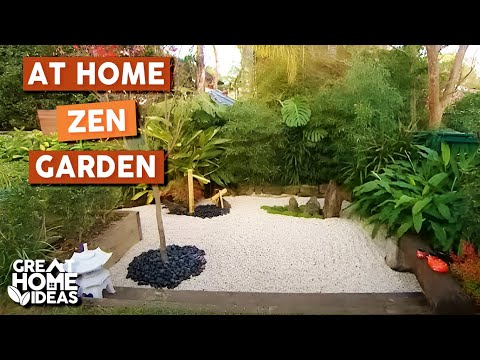
How To Make Your Own Japanese Zen Garden
Duration: 04:31. Views: 1.4M views
► Play
Thats the complete discussion and the Most Recommended Videos that can present associated with 10 Zen Garden Design Ideas for Peaceful Outdoor Retreats. Don’t forget to share or bookmark this page for future reference.
Related Post to 10 Zen Garden Design Ideas For Peaceful Outdoor Retreats
15 Front Porch Garden Design Ideas With Hanging Baskets
Transforming a front porch into a welcoming and vibrant space can significantly enhance curb appeal and create a positive first impression. One effective way... Read More
10 Backyard Deck Garden Design Ideas With Plants And Seating
Transforming a backyard deck into a lush garden oasis is an attainable goal for homeowners seeking to enhance their outdoor living space. By integrating... Read More
10 Rooftop Garden Design Ideas With Small Pools
Rooftop gardens represent an innovative approach to urban living, transforming unused spaces into vibrant oases. Integrating small pools into these rooftop sanctuaries elevates the... Read More
15 Waterfall Garden Design Ideas For Stunning Landscapes
Waterfalls introduce a dynamic element to any garden, transforming tranquil spaces into vibrant, engaging landscapes. The gentle sound of cascading water promotes relaxation, while... Read More
Classic Living Room Design Ideas
Classic Living Room Design Ideas: Timeless Elegance for Your Home Classic living room design emphasizes timelessness and sophistication, creating a space that feels both... Read More