Home Design Ideas, Tips and References website. Search anything about Home Design in this website.
12 Japanese Garden Design Ideas For Tranquil Spaces
Japanese gardens are renowned for their serene beauty and meticulous design, offering tranquil spaces that promote relaxation and contemplation. These gardens are not merely collections of plants; they are carefully orchestrated landscapes that embody philosophical principles and aesthetic ideals. Replicating the essence of a Japanese garden involves understanding its key elements and applying them thoughtfully to create a harmonious and balanced environment. This blog post explores twelve Japanese garden design ideas to inspire the creation of your own peaceful retreat.
Japanese Garden Design: Creating Tranquil Spaces
Japanese garden design is more than just arranging plants and stones. It’s about creating a miniature landscape that evokes a sense of natural beauty and harmony. Central to the design philosophy is the concept of “wabi-sabi,” which embraces imperfection and impermanence. This encourages the use of natural materials and the acceptance of natural aging processes, allowing the garden to evolve gracefully over time.
The principles of balance, simplicity, and asymmetry guide the layout and arrangement of elements within the garden. Attention to detail is paramount, with every stone, plant, and water feature carefully considered for its contribution to the overall aesthetic and symbolic meaning. The aim is to create a space that invites contemplation and provides a respite from the stresses of daily life.
Key Elements of Japanese Garden Design
Understanding the core components of a Japanese garden is essential for successful design. Several elements consistently appear across different garden styles, each serving a specific purpose in creating the desired atmosphere of tranquility and harmony. These elements include carefully placed rocks, water features, meticulously raked gravel, and precisely pruned plants.
Furthermore, the use of moss, stone lanterns, and pathways all contribute to the overall aesthetic and functionality of the garden. Each element is selected and positioned to complement the others, creating a cohesive and balanced landscape. By understanding the role of these key elements, it becomes easier to incorporate them into a personal interpretation of a Japanese garden.
Rock Gardens (Kare-sansui): Dry Landscape Design
Rock gardens, also known as *kare-sansui*, are dry landscape gardens that utilize rocks and gravel to represent mountains and water. These gardens often feature carefully arranged rocks surrounded by meticulously raked gravel, creating a miniature representation of natural landscapes. The simplicity of the design encourages contemplation and meditation.
The arrangement of rocks is deliberate, often grouped in odd numbers to create a sense of asymmetry and naturalness. The raked gravel symbolizes water, with patterns representing ripples, currents, or waves. Plants are used sparingly, if at all, to maintain the focus on the rocks and gravel, Minimalist Landscaping Ideas with Stones, enhancing the minimalist aesthetic.
Water Features: Ponds, Streams, and Basins
Water is a vital element in Japanese gardens, symbolizing purity and tranquility. Ponds, streams, and water basins are commonly incorporated to provide visual interest and soothing sounds. The gentle sound of flowing water can create a calming atmosphere, promoting relaxation and mindfulness.
Ponds are often stocked with koi fish, adding a touch of vibrant color and movement to the garden. Stone basins, known as *tsukubai*, are used for ritual cleansing, providing a practical and aesthetically pleasing water source. Streams are designed to meander naturally through the landscape, creating a sense of movement and flow.
Stone Lanterns (Tōrō): Illuminating the Garden
Stone lanterns, or *tōrō*, are traditional Japanese lanterns used to illuminate gardens and pathways. These lanterns are not only functional but also serve as decorative elements, adding a touch of elegance and charm to the landscape. They come in various shapes and sizes, each with its own unique symbolism and history.
The soft, diffused light emitted by the lanterns creates a serene and inviting atmosphere, especially during the evening. They are often placed near water features or along pathways to guide visitors through the garden. The warm glow of the lanterns enhances the beauty of the garden, creating a magical ambiance at night.
Pathways: Encouraging Exploration
Pathways are an integral part of Japanese gardens, guiding visitors through the landscape and encouraging exploration. These pathways are often made of natural materials such as stepping stones, gravel, or moss. The design of the pathways emphasizes a slow and deliberate pace, inviting visitors to pause and appreciate the beauty of their surroundings.
The placement of stepping stones is carefully considered, with each stone positioned to create a natural and comfortable walking experience. Pathways may meander through the garden, revealing hidden views and unexpected perspectives. The journey through the garden is as important as the destination, fostering a sense of discovery and contemplation.
Plants and Trees: Symbolism and Harmony
Plants and trees play a significant role in Japanese garden design, each chosen for its symbolic meaning and aesthetic qualities. Evergreen trees, such as pines and junipers, are commonly used to represent longevity and resilience. Deciduous trees, such as maples and cherry blossoms, provide seasonal color and visual interest.
Careful pruning is essential to maintain the shape and health of the plants, as well as to enhance their aesthetic appeal. Moss is often used as a ground cover, creating a soft and verdant carpet that complements the other elements of the garden. The overall goal is to create a harmonious and balanced composition of plants that evokes a sense of natural beauty and tranquility. You can even consider Landscaping Ideas for Shade Gardens with these ideas.
12 Japanese Garden Design Ideas for Tranquil Spaces
The following ideas explore various ways to incorporate Japanese garden design principles into outdoor spaces, creating personal havens of peace and serenity. These suggestions can be adapted to different garden sizes and styles, allowing for customization and personalization.
1. **Incorporate a Zen Garden:** Create a small *kare-sansui* garden using rocks, gravel, and sand. Rake the gravel into patterns to represent water and add carefully selected rocks to symbolize mountains. This minimalist design encourages meditation and contemplation. 2. **Add a Water Feature:** Install a small pond, stream, or water basin to bring the soothing sound of water into your garden. Consider adding koi fish to the pond for a touch of color and movement. 3. **Use Stone Lanterns:** Place stone lanterns along pathways or near water features to illuminate the garden and create a serene atmosphere at night. Choose lanterns that complement the overall design of your garden. 4. **Create a Meandering Pathway:** Design a pathway using stepping stones, gravel, or moss to guide visitors through the garden. Encourage a slow and deliberate pace by creating curves and bends in the pathway. 5. **Plant Evergreen Trees:** Use evergreen trees such as pines and junipers to provide year-round greenery and symbolize longevity and resilience. Prune the trees carefully to maintain their shape and health. 6. **Incorporate Deciduous Trees:** Add deciduous trees such as maples and cherry blossoms to provide seasonal color and visual interest. Consider the mature size of the trees when selecting species for your garden. 7. **Use Moss as Ground Cover:** Plant moss as a ground cover to create a soft and verdant carpet that complements the other elements of the garden. Moss thrives in moist, shady areas and requires minimal maintenance. 8. **Add Bamboo Accents:** Incorporate bamboo fences, screens, or planters to add a touch of Japanese aesthetic to your garden. Bamboo is a versatile material that can be used in a variety of ways. 9. **Create a Tea Garden:** Design a small tea garden with a tea house or pavilion for enjoying tea ceremonies and quiet contemplation. Include elements such as a stone basin, stepping stones, and carefully pruned plants. 10. **Build a Koi Pond:** Construct a koi pond as a focal point of your garden, stocking it with colorful koi fish. Ensure the pond is properly filtered and maintained to keep the fish healthy. 11. **Include a Meditation Space:** Designate a quiet area in your garden for meditation and relaxation. Add a bench, cushion, or yoga mat to create a comfortable and inviting space. 12. **Embrace Imperfection:** Embrace the concept of “wabi-sabi” by accepting natural imperfections and allowing your garden to evolve over time. Use natural materials and avoid striving for perfect symmetry or uniformity. Consider incorporating Budget Garden Landscaping Ideas DIY for a more personalized and cost-effective approach.
Adapting Japanese Garden Design to Your Space
Adapting Japanese garden design principles to a specific space requires careful consideration of the existing landscape and personal preferences. The size, shape, and orientation of the garden will influence the layout and selection of elements. It is important to create a design that complements the surrounding environment and reflects individual tastes.
Small gardens can benefit from minimalist designs that emphasize simplicity and tranquility. Larger gardens can accommodate more elaborate features such as ponds, streams, and tea houses. Regardless of the size of the garden, the key is to create a harmonious and balanced space that promotes relaxation and contemplation. Consider incorporating Vertical Garden Landscaping Ideas for Small Spaces to maximize limited areas.
Maintaining a Japanese Garden
Maintaining a Japanese garden requires regular attention to detail and a commitment to preserving its aesthetic qualities. Pruning plants, raking gravel, and cleaning water features are essential tasks that contribute to the overall health and beauty of the garden. The goal is to maintain a balance between natural growth and human intervention.
Regular pruning helps to maintain the shape and health of plants, while raking gravel ensures that the patterns remain crisp and defined. Cleaning water features prevents algae growth and maintains the clarity of the water. By dedicating time and effort to maintaining the garden, it will continue to provide a tranquil and beautiful space for years to come.
List of the Most Exciting Videos Related to 12 Japanese Garden Design Ideas for Tranquil Spaces
Zen Harmony & Sakura Charm: Small Courtyard Design Ideas for a Japanese Garden Retreat
120 simple Japanese garden ideas for small spaces #smallgardenideas #japanesegardendesign
Japanese Garden Design Ideas
List of the Most Exciting Videos Related to Zen Harmony & Sakura Charm: Small Courtyard Design Ideas for a Japanese Garden Retreat

How To Design A Japanese Garden: Part 2
Duration: 07:16. Views: 107.8K views
► Play

Small Modern Japanese Garden Ideas
Duration: 19:12. Views: 195.1K views
► Play

How To Design A Japanese Garden: Part 1
Duration: 05:15. Views: 191.6K views
► Play

Japanese Garden Design Guide
Duration: 03:18. Views: 42.2K views
► Play
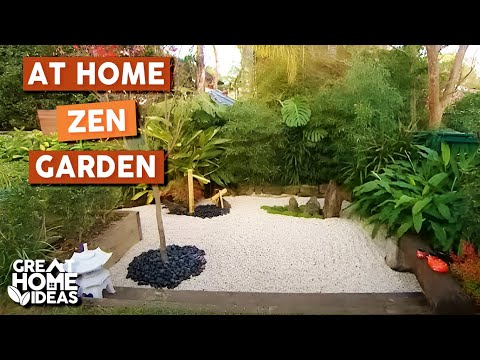
How To Make Your Own Japanese Zen Garden
Duration: 04:31. Views: 1.4M views
► Play

35 Lovely Small Japanese Garden Design Ideas
Duration: 08:16. Views: 457.2K views
► Play
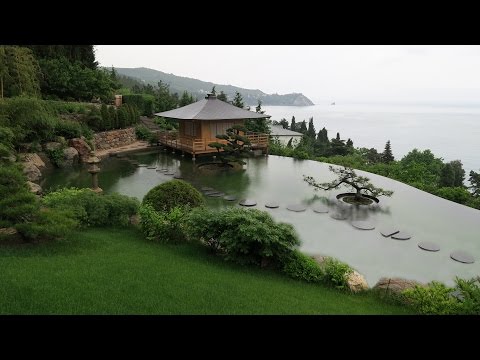
The Japanese Garden: Secrets Of Natural Landscape Design
Duration: 1:22:06. Views: 116.4K views
► Play

Japanese Garden Spring Tour March 2021 | Our Japanese Garden Escape
Duration: 16:28. Views: 16.5K views
► Play
That was the complete discussion and the Most Popular Videos that we can display related with 12 Japanese Garden Design Ideas for Tranquil Spaces. Don’t forget to share or bookmark this page for future reference.
Related Post to 12 Japanese Garden Design Ideas For Tranquil Spaces
15 Front Porch Garden Design Ideas With Hanging Baskets
Transforming a front porch into a welcoming and vibrant space can significantly enhance curb appeal and create a positive first impression. One effective way... Read More
10 Backyard Deck Garden Design Ideas With Plants And Seating
Transforming a backyard deck into a lush garden oasis is an attainable goal for homeowners seeking to enhance their outdoor living space. By integrating... Read More
10 Rooftop Garden Design Ideas With Small Pools
Rooftop gardens represent an innovative approach to urban living, transforming unused spaces into vibrant oases. Integrating small pools into these rooftop sanctuaries elevates the... Read More
15 Waterfall Garden Design Ideas For Stunning Landscapes
Waterfalls introduce a dynamic element to any garden, transforming tranquil spaces into vibrant, engaging landscapes. The gentle sound of cascading water promotes relaxation, while... Read More
Classic Living Room Design Ideas
Classic Living Room Design Ideas: Timeless Elegance for Your Home Classic living room design emphasizes timelessness and sophistication, creating a space that feels both... Read More