Home Design Ideas, Tips and References website. Search anything about Home Design in this website.
12 Herb Garden Design Ideas For Kitchen And Patio Spaces
Creating a herb garden offers a multitude of benefits, from enhancing culinary experiences with fresh ingredients to adding visual appeal to kitchen and patio spaces. This article explores twelve innovative herb garden design ideas tailored for both novice and experienced gardeners. These designs focus on maximizing space, aesthetics, and functionality, ensuring a thriving herb garden that is both beautiful and practical.
Herb Garden Design Ideas for Kitchen and Patio Spaces
Cultivating a herb garden near the kitchen and patio provides easy access to fresh herbs for cooking, garnishing, and creating refreshing beverages. Strategic herb garden design not only increases convenience but also enhances the aesthetic appeal of these areas, turning them into vibrant and aromatic spaces. Factors such as sunlight exposure, soil quality, and available space are crucial considerations when planning a herb garden.
Effective planning involves choosing the right herbs based on culinary preferences and growing conditions. Herbs such as basil, mint, rosemary, thyme, and chives are popular choices due to their versatility and relatively easy cultivation. Understanding the specific needs of each herb, including watering requirements and sunlight exposure, is essential for a successful herb garden.
Tiered Herb Garden Design
Tiered herb gardens offer an elegant and space-efficient solution, particularly suited for smaller patios and balconies. These designs utilize vertical space effectively, allowing for a greater variety of herbs within a limited footprint. The tiered structure also provides improved drainage and airflow for each plant.
Constructing a tiered herb garden can involve purchasing pre-made tiered planters or creating a custom design using materials such as wood, stone, or repurposed items. When designing the tiers, consider the mature size of each herb to ensure adequate spacing and prevent overcrowding. The topmost tier is best suited for herbs requiring the most sunlight, while those requiring less can be placed on lower tiers.
Container Herb Garden Ideas
Container herb gardens offer unparalleled flexibility and portability, allowing gardeners to easily move plants to optimize sunlight exposure or protect them from harsh weather conditions. This type of garden is ideal for individuals with limited garden space or those who prefer to grow herbs in a controlled environment.
Selecting the appropriate containers is crucial for the success of a container herb garden. Opt for containers with adequate drainage holes and choose a potting mix specifically formulated for herbs. Different herbs have varying container size requirements, so research is essential. Regular watering and fertilization are necessary to maintain healthy growth, as nutrients can leach out of containers more quickly than in-ground gardens. You may also be interested in Eco Friendly Garden Design Ideas for Sustainable Living.
Vertical Herb Garden Design Ideas
Vertical herb gardens are an excellent option for maximizing space on patios and balconies, transforming walls and fences into thriving green spaces. These gardens can be created using various methods, including hanging planters, pallet gardens, and repurposed materials such as gutters or plastic bottles.
When designing a vertical herb garden, consider the weight of the plants and the support structure. Ensure the structure is sturdy enough to hold the weight of the soil and plants, especially when wet. Proper watering techniques are essential for vertical gardens, as the soil in the upper levels can dry out more quickly. Drip irrigation systems can provide consistent and efficient watering.
Window Box Herb Gardens
Window box herb gardens bring the beauty and fragrance of fresh herbs right to the kitchen window. These gardens are easily accessible for quick harvesting and add a charming touch to any home. They are particularly well-suited for smaller herbs such as thyme, oregano, and chives.
When installing a window box herb garden, ensure the box is securely attached to the window frame and has adequate drainage. Choose a potting mix suitable for herbs and water regularly, especially during hot weather. Consider the direction the window faces to ensure the herbs receive sufficient sunlight. North-facing windows may only be suitable for shade-tolerant herbs like mint and parsley.
Hanging Basket Herb Gardens
Hanging basket herb gardens offer a visually appealing and space-saving solution for patios and balconies. They can be hung from ceilings, railings, or shepherd’s hooks, adding a touch of greenery at eye level. Herbs such as trailing rosemary, thyme, and oregano are particularly well-suited for hanging baskets.
Select hanging baskets with good drainage and use a lightweight potting mix to reduce the overall weight. Regular watering is essential, as hanging baskets tend to dry out quickly. Consider adding water-retaining crystals to the potting mix to help retain moisture. Protect hanging baskets from strong winds, which can damage the plants and dry out the soil.
Herb Spiral Garden Design
Herb spiral gardens are an aesthetically pleasing and functional design that creates microclimates suitable for a variety of herbs. The spiral shape allows for different levels of sunlight exposure and drainage, catering to the specific needs of individual herbs. This design is particularly effective in larger patio spaces or gardens.
Constructing an herb spiral garden involves creating a raised spiral bed using materials such as stone, brick, or wood. The highest point of the spiral should face the sun, allowing for optimal sunlight exposure. The top of the spiral is suitable for herbs requiring well-drained soil, while the bottom is ideal for herbs that prefer more moisture. Careful planning and construction are essential for a successful herb spiral garden.
Raised Bed Herb Gardens
Raised bed herb gardens provide improved drainage and soil control, making them an excellent choice for areas with poor soil quality or limited space. They also offer easier access for planting, weeding, and harvesting, reducing strain on the back and knees.
Constructing a raised bed herb garden involves building a rectangular or square frame using wood, stone, or composite materials. Fill the frame with a high-quality potting mix specifically formulated for herbs. Consider the size and depth of the raised bed to accommodate the root systems of the chosen herbs. Incorporating a drip irrigation system can provide consistent and efficient watering.
Pallet Herb Garden Ideas
Pallet herb gardens are a cost-effective and environmentally friendly way to create a vertical garden. Repurposed pallets can be transformed into charming herb gardens with minimal effort, adding a rustic touch to patios and balconies.
When using pallets for an herb garden, ensure the pallet is clean and free from harmful chemicals. Line the back and sides of each section with landscape fabric to prevent soil from escaping. Fill each section with a potting mix suitable for herbs and plant accordingly. Regular watering and fertilization are necessary to maintain healthy growth. Also, read about Landscaping Ideas with Container Plants for more insights.
Teacup Herb Gardens
Teacup herb gardens offer a whimsical and charming way to grow small herbs and succulents. These miniature gardens can be created using vintage teacups, saucers, and teapots, adding a touch of elegance to kitchen counters and patio tables.
When creating a teacup herb garden, ensure the teacup has drainage holes. If not, carefully drill a hole in the bottom. Fill the teacup with a potting mix suitable for small herbs and succulents. Choose herbs that remain small and compact, such as thyme, oregano, and chives. Water sparingly to avoid overwatering.
Gutter Herb Gardens
Gutter herb gardens are a creative and space-saving solution for growing herbs on patios, balconies, and fences. Repurposed gutters can be easily transformed into a linear herb garden, providing a unique and visually appealing display.
When using gutters for an herb garden, ensure the gutters are clean and free from any debris. Drill drainage holes along the bottom of each gutter. Attach the gutters to a fence, railing, or wall using appropriate hardware. Fill the gutters with a potting mix suitable for herbs and plant accordingly. Regular watering is essential, as gutters can dry out quickly. Protect the gutters from strong winds to prevent damage.
Herb Wheel Garden Design
Herb wheel gardens are a visually striking and functional design that allows for a diverse range of herbs in a compact space. The wheel shape creates distinct microclimates, catering to the specific needs of different herbs.
Constructing an herb wheel garden involves dividing a circular area into segments, each dedicated to a specific herb. The center of the wheel can be raised to improve drainage. Choose herbs with varying sunlight and water requirements to maximize the effectiveness of the design. This design is particularly well-suited for larger patio spaces or gardens, also see Landscaping Ideas with Pathways and Lighting.
Mason Jar Herb Gardens
Mason jar herb gardens offer a simple and stylish way to grow herbs indoors or on patios. These gardens are easy to create and maintain, making them an excellent choice for beginners.
When creating a mason jar herb garden, ensure the mason jar is clean and free from any debris. Add a layer of gravel or pebbles to the bottom of the jar for drainage. Fill the jar with a potting mix suitable for herbs. Choose herbs that remain small and compact, such as basil, mint, and parsley. Water sparingly to avoid overwatering. Place the mason jar herb garden in a sunny location for optimal growth.
Collection of the Most Exciting Videos Relating to 12 Herb Garden Design Ideas for Kitchen and Patio Spaces
Five Indoor Herb Garden Ideas and Advantages
Raised Bed Kitchen and Herb Garden Tour
Genius Tips for Designing a Beautiful Vegetable Garden
Collection of the Most Recommended Videos Related to Five Indoor Herb Garden Ideas and Advantages

'kitchen Herbs' Candle Review | Homeworx By Slatkin & Co. | Touchthefiretwice
Duration: . Views: 707 views
► Play

The Forested Garden: What Is A Food Forest?
Duration: 13:11. Views: 988.5K views
► Play

Wow! 100+ Herbs Gardening Area Design Ideas | How To Create Fresh Herbs Garden For Culinary Use
Duration: . Views: 261 views
► Play

Nanyang Technological University Campus Tour
Duration: 11:38. Views: 36.3K views
► Play
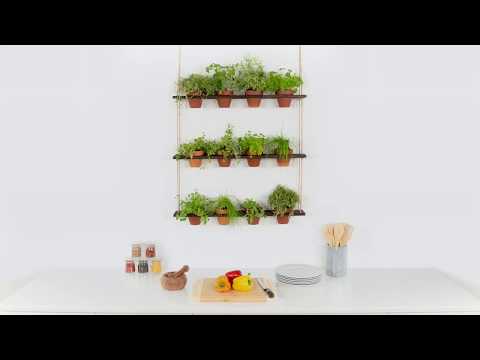
Diy Hanging Herb Garden
Duration: 00:18. Views: 244.2K views
► Play

Designing A Mediterranean Style Garden
Duration: 03:11. Views: 42.5K views
► Play

Herb Garden Design Ideas
Duration: 05:33. Views: 117.8K views
► Play

50+ Beautiful Herb Garden Design Ideas
Duration: 08:45. Views: 8.1K views
► Play
That was the complete discussion and the Most Sought Videos that can show related with 12 Herb Garden Design Ideas for Kitchen and Patio Spaces. Don’t forget to share or bookmark this page for future reference.
Related Post to 12 Herb Garden Design Ideas For Kitchen And Patio Spaces
15 Front Porch Garden Design Ideas With Hanging Baskets
Transforming a front porch into a welcoming and vibrant space can significantly enhance curb appeal and create a positive first impression. One effective way... Read More
10 Backyard Deck Garden Design Ideas With Plants And Seating
Transforming a backyard deck into a lush garden oasis is an attainable goal for homeowners seeking to enhance their outdoor living space. By integrating... Read More
10 Rooftop Garden Design Ideas With Small Pools
Rooftop gardens represent an innovative approach to urban living, transforming unused spaces into vibrant oases. Integrating small pools into these rooftop sanctuaries elevates the... Read More
15 Waterfall Garden Design Ideas For Stunning Landscapes
Waterfalls introduce a dynamic element to any garden, transforming tranquil spaces into vibrant, engaging landscapes. The gentle sound of cascading water promotes relaxation, while... Read More
Classic Living Room Design Ideas
Classic Living Room Design Ideas: Timeless Elegance for Your Home Classic living room design emphasizes timelessness and sophistication, creating a space that feels both... Read More