Home Design Ideas, Tips and References website. Search anything about Home Design in this website.
20 Living Room Accent Wall Design Ideas You’ll Love
The living room serves as a central hub for relaxation, entertainment, and connection within a home. As such, the design of this space significantly impacts the overall atmosphere and aesthetic appeal. An accent wall provides an opportunity to introduce visual interest, personality, and depth to the living room. By strategically incorporating color, texture, or pattern, an accent wall becomes a focal point that enhances the room’s design. This blog post explores twenty distinct living room accent wall design ideas, offering inspiration for transforming your space.
Living Room Accent Wall Ideas: Transforming Your Space
A well-executed accent wall can elevate a living room from ordinary to extraordinary. It is a design element that can complement existing décor, introduce a new color palette, or create a sense of drama. The accent wall effectively draws the eye and establishes a focal point, directing the viewer’s attention to a specific area within the room. The choice of materials, colors, and techniques employed for the accent wall should harmonize with the overall style of the living room, creating a cohesive and visually appealing environment.
The impact of a carefully planned accent wall extends beyond aesthetics. It influences the perceived size and shape of the room. For instance, a dark-colored accent wall can visually shorten a long, narrow room, while a vertically striped accent wall can create the illusion of greater height. An accent wall can also be used to define different zones within an open-concept living room, clearly separating the seating area from a dining space or home office. Ultimately, the right accent wall enhances both the visual appeal and the functionality of the living room.
Exploring 20 Unique Accent Wall Designs for Living Rooms
1. Bold Paint Color Accent Walls
A straightforward yet effective approach involves painting one wall in a bold, contrasting color. This immediately draws attention and adds personality to the room. Consider the existing color scheme and choose a color that complements or contrasts it effectively. For instance, a navy blue accent wall can create a sophisticated backdrop in a room with neutral furniture, while a vibrant orange accent wall can inject energy and warmth into a more muted space.
The type of paint finish is important. Matte finishes offer a soft, velvety look, while eggshell finishes provide a subtle sheen. Semi-gloss or gloss finishes are more durable and reflective, making them suitable for high-traffic areas or for highlighting architectural details. The choice of finish also affects the way the color appears, so test samples of different finishes before making a final decision.
2. Geometric Pattern Accent Walls
Geometric patterns introduce a modern and dynamic element to the living room. This can be achieved through paint, wallpaper, or even strategically placed tiles. Triangles, hexagons, and chevrons are popular choices for creating visually striking accent walls. The scale of the pattern should be proportionate to the size of the wall and the overall dimensions of the room. A large-scale geometric pattern can make a bold statement in a spacious living room, while a smaller, more intricate pattern might be better suited for a smaller space.
Consider the color palette when selecting a geometric pattern. A monochromatic palette can create a subtle and sophisticated look, while a multi-colored palette can add vibrancy and energy. Ensure that the colors used in the geometric pattern complement the existing décor and furnishings. Also, think about the overall aesthetic of the room. Geometric patterns typically work well in contemporary or modern living rooms, but they can also be incorporated into more eclectic or transitional spaces with careful consideration.
3. Wood Paneling Accent Walls
Wood paneling adds warmth, texture, and a touch of rustic charm to the living room. Various types of wood paneling are available, including shiplap, board and batten, and reclaimed wood. Shiplap offers a clean and classic look, while board and batten provides a more structured and architectural feel. Reclaimed wood brings a unique and characterful element to the space. The choice of wood paneling depends on the desired aesthetic and the existing architectural style of the home. For example, 20 Rustic Living Room Design Ideas That Feel Warm and Inviting often make great use of wood paneling.
The color and finish of the wood paneling can significantly impact the overall look. Natural wood tones create a warm and inviting atmosphere, while painted wood paneling offers a more contemporary and versatile option. White-painted shiplap, for example, is a popular choice for creating a bright and airy coastal-inspired living room. When using wood paneling, consider the lighting in the room. Wood can absorb light, so ensure that the room is adequately illuminated to prevent it from feeling too dark or enclosed.
4. Stone Veneer Accent Walls
Stone veneer provides a textured and natural look, adding a sense of grandeur to the living room. It is a lightweight alternative to natural stone, making it easier to install and more cost-effective. Stone veneer comes in a variety of styles, colors, and textures, allowing for a wide range of design possibilities. A stacked stone veneer accent wall can create a rustic and dramatic focal point, while a sleek and modern stone veneer can complement a contemporary aesthetic.
Consider the scale of the stone veneer when selecting a style. Larger stones can create a more imposing and dramatic look, while smaller stones offer a more subtle and refined appearance. The color of the stone veneer should also be carefully considered to ensure that it complements the existing color scheme of the room. Natural stone tones, such as grays, browns, and beiges, are versatile and can work well in a variety of settings. Also, consider the texture of the stone veneer. A rough, textured stone veneer can add a sense of depth and dimension, while a smooth stone veneer offers a more streamlined and modern look. When incorporating stone veneer into a living room, 20 Luxury Living Room Design Ideas for an Elegant Home can also include stone veneer.
5. Wallpaper Accent Walls
Wallpaper offers a wide range of patterns, colors, and textures, making it a versatile choice for creating a statement accent wall. From bold floral prints to subtle geometric designs, wallpaper can add personality and visual interest to the living room. Consider the scale of the pattern and the overall color scheme of the room when selecting a wallpaper. A large-scale pattern can be overwhelming in a small space, while a small, intricate pattern might be lost in a large room.
Texture is another important factor to consider. Textured wallpaper can add depth and dimension to the wall, creating a tactile and visually appealing surface. Grasscloth wallpaper, for example, adds a natural and organic element to the space, while embossed wallpaper provides a more luxurious and refined look. When selecting wallpaper, consider the ease of installation and removal. Some wallpapers are pre-pasted, making them easier to install, while others require paste. Also, consider the durability of the wallpaper and its resistance to moisture and stains, especially in high-traffic areas.
6. Mural Accent Walls
A mural creates a unique and artistic focal point in the living room. It can depict a landscape, an abstract design, or a personalized image, adding a sense of individuality and creativity to the space. Murals can be painted directly onto the wall or applied as a wallpaper mural. Hand-painted murals offer a bespoke and one-of-a-kind look, while wallpaper murals provide a more accessible and cost-effective option. Consider the size and scale of the mural in relation to the wall and the overall dimensions of the room.
The style and subject matter of the mural should complement the existing décor and the overall aesthetic of the living room. A landscape mural can create a sense of depth and tranquility, while an abstract mural can add a modern and artistic touch. When selecting a mural, consider the color palette and ensure that it harmonizes with the existing color scheme. Also, think about the lighting in the room and how it will affect the appearance of the mural. Natural light can enhance the colors and details of the mural, while artificial light can create a different mood and atmosphere.
7. Textile Accent Walls
Using fabric or textiles on an accent wall adds texture, warmth, and a unique tactile element to the living room. Options include tapestries, macramé hangings, or even stretched fabric panels. Textile accent walls can introduce patterns, colors, and textures that complement the existing décor and create a cozy and inviting atmosphere. Tapestries offer a traditional and artistic look, while macramé hangings provide a bohemian and free-spirited vibe. Stretched fabric panels offer a more contemporary and streamlined option.
The type of fabric used can significantly impact the overall look and feel of the accent wall. Velvet adds a luxurious and opulent touch, while linen provides a more relaxed and casual feel. Consider the color and pattern of the fabric and ensure that it complements the existing color scheme and style of the living room. When installing a textile accent wall, ensure that the fabric is securely attached to the wall to prevent sagging or wrinkles. Also, consider the maintenance requirements of the fabric and its resistance to stains and fading.
8. Mirror Accent Walls
Mirrors create the illusion of space and light, making them a great choice for smaller living rooms. A mirrored accent wall can visually expand the room and reflect natural light, creating a brighter and more airy atmosphere. Consider using a single large mirror or a collection of smaller mirrors to create a unique and eye-catching focal point. A large frameless mirror offers a sleek and modern look, while a collection of smaller framed mirrors provides a more eclectic and decorative feel.
The placement of the mirror accent wall is crucial. Position it to reflect a pleasant view or to capture the most natural light. Avoid placing it directly opposite a cluttered area, as this will only amplify the clutter. When using multiple mirrors, consider the spacing and arrangement to create a balanced and visually appealing composition. Also, consider the style of the mirrors and ensure that they complement the existing décor and the overall aesthetic of the living room. You can also view 15 Small Living Room Design Ideas That Maximize Space for tips on how to incorporate mirrors in your designs.
9. Gallery Wall Accent Walls
A gallery wall offers a personalized and artistic way to showcase artwork, photographs, and other decorative items. It creates a visually engaging focal point that reflects the homeowner’s personality and style. Consider using a mix of frame styles, sizes, and orientations to create a dynamic and eclectic composition. A cohesive color palette can help to tie the gallery wall together and prevent it from looking too chaotic. Experiment with different layouts and arrangements before committing to a final design.
The subject matter of the artwork and photographs should be meaningful and personal. Choose pieces that you love and that reflect your interests and experiences. Consider the scale of the artwork in relation to the wall and the overall dimensions of the room. Larger pieces can make a bold statement, while smaller pieces offer a more subtle and intimate feel. When installing a gallery wall, ensure that the frames are securely attached to the wall and that the spacing is consistent and even. Also, consider the lighting in the room and how it will affect the appearance of the artwork. Good lighting can enhance the colors and details of the artwork and create a more visually appealing display.
10. Bookshelf Accent Walls
A built-in bookshelf creates a functional and visually appealing accent wall. It provides ample storage space for books, decorative items, and other personal belongings. Consider using a mix of open and closed shelving to create a dynamic and interesting display. The arrangement of the books and decorative items should be intentional and visually balanced. Group books by color, size, or subject matter to create a cohesive and organized look.
The style of the bookshelf should complement the existing décor and the overall aesthetic of the living room. A modern bookshelf with clean lines and minimalist design can complement a contemporary living room, while a more traditional bookshelf with ornate details can enhance a classic or transitional space. Consider the color and finish of the bookshelf. A painted bookshelf can add a pop of color to the room, while a wood-toned bookshelf provides warmth and texture. When styling a bookshelf accent wall, consider the use of accessories such as plants, vases, and artwork to add visual interest and personality.
11. Plant Accent Walls
A living wall or a collection of potted plants creates a refreshing and natural accent wall. Plants add life, color, and texture to the living room, creating a calming and inviting atmosphere. Consider using a variety of plant species with different shapes, sizes, and colors to create a visually dynamic display. A vertical garden offers a space-saving solution for smaller living rooms, while a collection of potted plants can be arranged on shelves, ledges, or the floor.
The type of plants used should be appropriate for the lighting conditions in the room. Low-light plants, such as snake plants and ZZ plants, are ideal for rooms with limited natural light, while sun-loving plants, such as succulents and cacti, require bright light. Consider the maintenance requirements of the plants and choose species that are easy to care for. When creating a plant accent wall, ensure that the plants are properly watered and fertilized. Also, consider the use of decorative pots and planters to enhance the aesthetic appeal of the display. 18 Bohemian Living Room Design Ideas Full of Personality often feature plenty of plants!
12. Lighting Feature Accent Walls
Integrate lighting fixtures directly into the accent wall design to create a dramatic and functional focal point. This can involve recessed lighting, sconces, or even LED strip lights. The lighting should be carefully positioned to highlight architectural details or to create a specific mood and atmosphere. Recessed lighting provides a subtle and unobtrusive source of illumination, while sconces offer a more decorative and directional light.
The type of lighting fixture used should complement the existing décor and the overall aesthetic of the living room. Modern and minimalist lighting fixtures can enhance a contemporary living room, while more ornate and decorative fixtures can add a touch of elegance to a classic space. Consider the color temperature of the light. Warm light creates a cozy and inviting atmosphere, while cool light provides a more modern and energetic feel. When integrating lighting into an accent wall, ensure that the wiring is properly installed and that the fixtures are energy-efficient.
13. 3D Tile Accent Walls
3D tiles add texture and dimension to the accent wall, creating a visually striking and tactile surface. The tiles come in a variety of patterns, shapes, and materials, allowing for a wide range of design possibilities. A geometric 3D tile can add a modern and architectural touch, while a more organic 3D tile can create a natural and textured look.
Consider the scale of the 3D tiles in relation to the wall and the overall dimensions of the room. Larger tiles can create a more dramatic and imposing look, while smaller tiles offer a more subtle and refined appearance. The color of the 3D tiles should also be carefully considered to ensure that it complements the existing color scheme of the room. Neutral colors, such as whites, grays, and beiges, are versatile and can work well in a variety of settings. When installing 3D tiles, ensure that the surface is properly prepared and that the tiles are securely attached to the wall.
14. Concrete Accent Walls
Concrete provides a raw and industrial look, adding a modern and edgy element to the living room. A concrete accent wall can be created using poured concrete, concrete panels, or even concrete-look wallpaper. The texture and color of the concrete can be customized to create a unique and personalized look. Polished concrete offers a sleek and sophisticated appearance, while rough concrete provides a more industrial and textured feel.
Consider the scale of the concrete accent wall in relation to the overall dimensions of the room. A large concrete accent wall can be overwhelming in a small space, while a smaller concrete accent wall might be lost in a large room. The color of the concrete should also be carefully considered to ensure that it complements the existing color scheme of the room. Gray is a versatile and neutral color that can work well in a variety of settings. When incorporating concrete into a living room, consider the use of soft textiles and warm lighting to balance the coolness of the concrete.
15. Metal Accent Walls
Metal adds a sleek and modern touch to the living room. Materials like stainless steel, copper, or brass can be used to create a sophisticated and eye-catching accent wall. Metal panels, tiles, or even decorative metal screens can be incorporated into the design. The reflective properties of metal can also help to brighten the room and create a sense of depth. A stainless steel accent wall offers a modern and industrial look, while a copper accent wall provides a warmer and more rustic feel.
Consider the scale and finish of the metal accent wall in relation to the overall dimensions and style of the room. Larger metal panels can create a dramatic and impactful statement, while smaller metal tiles offer a more subtle and refined touch. The finish of the metal can also significantly affect its appearance. A polished metal finish creates a sleek and modern look, while a brushed metal finish offers a more subtle and textured feel. When incorporating metal into a living room, consider the use of contrasting materials such as wood or fabric to balance the coolness of the metal.
16. Chalkboard Accent Walls
A chalkboard wall adds a fun and interactive element to the living room, providing a canvas for creative expression. The wall can be used for writing notes, drawing pictures, or creating temporary art. Chalkboard paint is easy to apply and allows for endless customization. Consider using different colored chalks to add vibrancy and visual interest to the chalkboard wall.
The placement of the chalkboard wall should be carefully considered to ensure that it is easily accessible and visible. A chalkboard wall can be a great addition to a family living room, providing a space for children to express their creativity. When using a chalkboard wall, ensure that it is regularly cleaned to prevent chalk dust from accumulating. Also, consider the use of frames or borders to define the chalkboard area and to create a more polished look.
17. Reclaimed Material Accent Walls
Using reclaimed materials, such as old barn wood, brick, or even vintage doors, adds character and history to the living room. These materials offer a unique and sustainable way to create a one-of-a-kind accent wall. Reclaimed wood provides a rustic and warm feel, while reclaimed brick adds an industrial and textured look. The use of reclaimed materials also promotes environmental responsibility by repurposing existing resources.
The selection and preparation of reclaimed materials are crucial for creating a successful accent wall. Ensure that the materials are properly cleaned and treated to prevent any potential hazards. Consider the scale and texture of the reclaimed materials in relation to the overall dimensions and style of the room. Larger reclaimed wood planks can create a more rustic and impactful statement, while smaller reclaimed bricks offer a more subtle and textured touch. When incorporating reclaimed materials into a living room, consider the use of complementary materials such as metal or glass to create a balanced and visually appealing design.
18. Sculptural Accent Walls
A sculptural accent wall features three-dimensional elements that create a dynamic and artistic focal point. These elements can be made from a variety of materials, such as wood, metal, or even plaster. The sculptural elements can be arranged in a geometric pattern, an abstract design, or even a representational image. A sculptural accent wall adds depth, texture, and visual interest to the living room.
The design and execution of a sculptural accent wall require careful planning and craftsmanship. Consider the scale and proportion of the sculptural elements in relation to the wall and the overall dimensions of the room. The lighting should be carefully positioned to highlight the sculptural elements and to create dramatic shadows. When incorporating a sculptural accent wall into a living room, consider the use of complementary materials and colors to create a cohesive and visually appealing design.
19. Headboard Accent Walls
Extend the headboard design from the bedroom into the living room to create a cozy and inviting accent wall. This can be achieved by using a large upholstered panel or a series of smaller upholstered tiles. The headboard accent wall adds texture, warmth, and a sense of comfort to the living room. Consider using a luxurious fabric such as velvet or linen to enhance the tactile appeal of the headboard accent wall.
The color and pattern of the headboard accent wall should complement the existing décor and the overall aesthetic of the living room. Neutral colors, such as creams, grays, and beiges, are versatile and can work well in a variety of settings. When incorporating a headboard accent wall into a living room, consider the use of complementary pillows and throws to create a cozy and inviting seating area. Consider this idea if your goal is to achieve 15 Scandinavian Living Room Design Ideas for a Cozy Home.
20. Map Accent Walls
A map accent wall adds a sense of adventure and wanderlust to the living room. The map can be a vintage world map, a detailed topographical map, or even a custom-designed map featuring significant locations. The map accent wall can be framed or unframed, depending on the desired aesthetic. A vintage world map adds a classic and timeless touch, while a topographical map provides a more detailed and informative look.
The scale and style of the map accent wall should be carefully considered to ensure that it complements the existing décor and the overall aesthetic of the living room. A large map can create a dramatic and impactful statement, while a smaller map offers a more subtle and personal touch. When incorporating a map accent wall into a living room, consider the use of travel-themed accessories and décor to enhance the sense of adventure and exploration.
These twenty living room accent wall design ideas offer a starting point for transforming your space. Remember to consider the existing décor, your personal style, and the overall desired aesthetic when selecting an accent wall design. With careful planning and execution, an accent wall can significantly enhance the visual appeal and functionality of your living room.
List of the Most Sought Videos Related to 20 Living Room Accent Wall Design Ideas You’ll Love
Top 7 Simple Accent Wall Ideas to Transform Your Space 2025
DIY BOARD AND BATTEN ACCENT WALL || Dream Bedroom Makeover For My Parents (Pt. 1)!
DIY ACCENT WALL FOR UNDER $100 | ACCENT WALL ON A BUDGET | ENTRY WAY DECOR REFRESH
Collection of the Most Recommended Videos about Top 7 Simple Accent Wall Ideas to Transform Your Space 2025

7 Easy Diy Accent Wall Ideas
Duration: 38:26. Views: 3.4K views
► Play

Easy Diy Modern Accent Wall |
Duration: 13:14. Views: 1.7K views
► Play

70+ Best Small Space Accent Wall Design Ideas 2018
Duration: . Views: 15.6K views
► Play

Diy Geometric Wall
Duration: 13:07. Views: 91.4K views
► Play
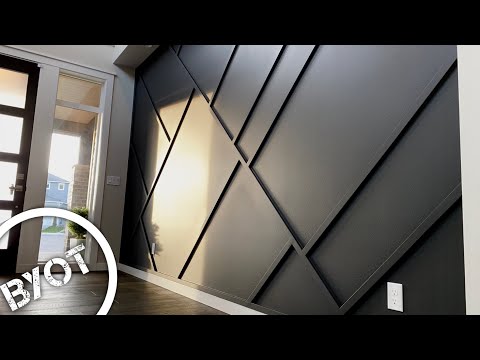
Diy Accent Wall // Modern Accent Wall
Duration: 10:49. Views: 2.9M views
► Play

Interior Design – How To Wow With Wood Walls
Duration: 02:19. Views: 144.9K views
► Play

How To Make An Accent Wall In Rental Home
Duration: 08:53. Views: 149K views
► Play

18 Genius Ideas To Decorate Boring Walls
Duration: 08:18. Views: 51M views
► Play
Thats the complete discussion and the Most Popular Videos that can show connected with 20 Living Room Accent Wall Design Ideas You’ll Love. Don’t forget to share or bookmark this page for future reference.
Related Post to 20 Living Room Accent Wall Design Ideas You’ll Love
Living Room Design Ideas For Small Spaces
Living Room Design Ideas for Small Spaces: Maximizing Comfort and Style Designing a living room within the confines of a small space presents a... Read More
9 Creative Living Room Design Ideas For Every Style
The living room serves as a central hub for relaxation, entertainment, and social interaction. As such, its design should reflect individual style and cater... Read More
Elegant Living Room Design Ideas
Elevating a living room to a space of elegant sophistication requires careful consideration of various design elements. This article explores ideas for crafting an... Read More
12 Modern Classic Living Room Design Ideas To Inspire You
Welcome to a journey through the world of modern classic living room design. This exploration unveils 12 exemplary ideas, each meticulously crafted to inspire... Read More
9 Living Room Design Ideas For Couples’ Homes
Creating a shared living space that reflects the personalities and preferences of both partners can be an exciting, yet challenging, undertaking. The living room,... Read More