Home Design Ideas, Tips and References website. Search anything about Home Design in this website.
Minimalist Home Interior Design Ideas For A Clean Look
Minimalist home interior design focuses on simplicity, functionality, and creating a serene and uncluttered living space. It is a style that prioritizes essential elements and aims to achieve a clean and organized aesthetic. This design philosophy extends beyond mere aesthetics, promoting a mindful lifestyle and reducing the stress associated with excessive belongings.
This post explores several key aspects of minimalist interior design, offering practical ideas and inspiration for transforming any home into a haven of tranquility and order. The principles discussed can be applied to various spaces, regardless of size or architectural style. From color palettes to furniture selection and storage solutions, the guide provides comprehensive insights into achieving a minimalist aesthetic.
The Essence of Minimalist Home Design
Minimalism in home design is characterized by a deliberate reduction of clutter and a focus on essential items. The goal is to create a space that is both functional and visually appealing, without feeling overwhelming or chaotic. This involves careful consideration of every element within the home, from the overall layout to the smallest decorative accents.
Core tenets of minimalist design include simplicity, functionality, and a sense of openness. Clean lines, neutral color palettes, and the absence of unnecessary ornamentation are hallmarks of this style. Natural light is often maximized to create a bright and airy atmosphere, further enhancing the sense of spaciousness and calm. The design focuses on the quality and purpose of items instead of the quantity. Decluttering and organization are key aspects of bringing this style into your home.
Understanding Minimalist Interior Design Principles
Understanding the underlying principles of minimalist interior design is crucial for effectively implementing this style in any home. These principles serve as a guide for making informed decisions about every aspect of the design process, from selecting furniture to choosing accessories.
Several fundamental principles underpin minimalist interior design:
-
Functionality: Every item within the space should serve a purpose. Decorative items are minimal and carefully chosen.
-
Simplicity: Clean lines, uncluttered surfaces, and a lack of ornamentation are essential. Avoid excessive patterns and details.
-
Open Space: Maximize the feeling of spaciousness by minimizing furniture and creating clear pathways. Utilize vertical space for storage.
-
Natural Light: Embrace natural light to create a bright and airy atmosphere. Use light-colored window treatments to maximize light exposure.
-
Quality over Quantity: Invest in fewer, high-quality pieces that will stand the test of time, rather than accumulating numerous inexpensive items.
-
Neutral Color Palette: Opt for a calming neutral color palette with occasional pops of color. Shades of white, gray, beige, and black are commonly used.
Achieving a Clean Look: Minimalist Interior Design Ideas
Creating a minimalist home interior requires a conscious effort to declutter, simplify, and streamline the living space. It involves making thoughtful choices about furniture, décor, and storage solutions. The aim is to create a space that feels both visually appealing and functionally efficient.
Minimalist home interior design can be achieved through careful planning and execution. Strategic use of color, texture, and light can contribute to a sense of calm and order. Effective storage solutions are essential for maintaining a clutter-free environment.
Decluttering and Organization Techniques
Decluttering is the first and most crucial step in achieving a minimalist aesthetic. This involves identifying and removing items that are no longer needed or used. Organization then becomes the key to maintaining a clutter-free space. The process of decluttering and organization is not just about removing items; it’s about consciously deciding what to keep and what to let go of. This practice fosters a greater appreciation for the items that remain and a more mindful approach to consumption.
Effective decluttering and organization techniques include:
-
The KonMari Method: Sort items by category (clothing, books, miscellaneous, sentimental) and ask yourself if each item “sparks joy.” Discard anything that doesn’t.
-
The 20/20 Rule: If you can replace an item for less than $20 in under 20 minutes, it’s probably not worth keeping if you’re unsure about it.
-
One In, One Out: For every new item you bring into your home, get rid of an old one. This helps prevent clutter from accumulating.
-
Vertical Storage: Utilize shelves and tall cabinets to maximize storage space without taking up too much floor area.
-
Hidden Storage: Opt for furniture with built-in storage, such as ottomans with hidden compartments or beds with under-bed drawers.
-
Regular Purges: Schedule regular decluttering sessions to prevent clutter from building up over time.
Selecting Minimalist Furniture and Décor
Furniture and décor play a pivotal role in defining the minimalist aesthetic. Choosing pieces that are both functional and visually simple is essential. The goal is to create a cohesive and uncluttered look throughout the home.
When selecting furniture and décor for a minimalist home, consider the following guidelines:
-
Choose Functional Pieces: Prioritize furniture that serves multiple purposes, such as a sofa bed or a coffee table with storage.
-
Opt for Simple Designs: Select furniture with clean lines and minimal ornamentation. Avoid pieces with intricate details or excessive embellishments.
-
Embrace Neutral Colors: Stick to a neutral color palette for furniture and décor. This creates a cohesive and calming look. You can add pops of color with smaller accessories, but keep the overall scheme neutral.
-
Use Natural Materials: Incorporate natural materials such as wood, stone, and linen to add warmth and texture to the space.
-
Limit Decorative Items: Keep decorative items to a minimum. Choose a few carefully selected pieces that add personality to the space without cluttering it.
-
Prioritize Quality: Invest in high-quality furniture and décor that will last for years. This is more sustainable and ultimately more cost-effective than buying cheaper items that need to be replaced frequently.
Utilizing Color Palettes in Minimalist Interiors
Color palettes are fundamental in establishing the mood and atmosphere of a minimalist interior. A well-chosen color scheme can enhance the sense of spaciousness, light, and tranquility. Neutral colors are frequently favored in minimalist design due to their ability to create a serene and uncluttered backdrop.
When choosing color palettes for minimalist interiors, consider the following:
-
Neutral Base: Use a neutral color palette as the foundation for the space. This can include shades of white, gray, beige, and cream. These colors create a sense of calm and openness.
-
Accent Colors: Introduce accent colors sparingly to add visual interest and personality. Choose one or two accent colors that complement the neutral base. Colors like blues, greens, or earth tones can be used to add a subtle touch of color.
-
Monochromatic Schemes: Consider a monochromatic color scheme for a sophisticated and minimalist look. This involves using different shades and tints of the same color to create depth and dimension.
-
Natural Tones: Incorporate natural tones from materials like wood, stone, and linen to add warmth and texture to the space.
-
Avoid Clashing Colors: Steer clear of bold or clashing colors that can disrupt the sense of calm and order.
-
Consider the Lighting: The lighting in the room can affect how colors appear. Natural light will enhance the true color of the paint, while artificial light can alter the tones. Test paint colors in different lighting conditions before making a final decision.
Maximizing Light and Space
Maximizing light and space is crucial in minimalist interior design. These elements contribute significantly to the overall feeling of openness, airiness, and tranquility. The strategic use of light and the efficient management of space can transform a small or cluttered area into a serene and inviting haven. One might also consider Home Interior Design Ideas for Small Spaces for other space-saving alternatives.
To maximize light and space in a minimalist home:
-
Maximize Natural Light: Keep windows clear of obstructions to allow as much natural light as possible to enter the space. Use sheer curtains or blinds that allow light to filter through while still providing privacy.
-
Use Light Colors: Paint walls and ceilings in light colors to reflect light and make the space feel larger. White and light gray are excellent choices for minimalist interiors.
-
Minimize Furniture: Reduce the amount of furniture in the room to create a sense of spaciousness. Choose pieces that are appropriately sized for the space and avoid overcrowding.
-
Utilize Vertical Space: Use shelves and tall cabinets to maximize storage space without taking up too much floor area. This helps keep the floor clear and creates a more open feel.
-
Mirrors: Strategically place mirrors to reflect light and create the illusion of more space. A large mirror on a wall can double the apparent size of a room.
-
Open Floor Plan: If possible, opt for an open floor plan to create a sense of flow and connection between different areas of the home.
Minimalist Interior Design by Room
Minimalist design principles can be applied to every room in the home, creating a cohesive and harmonious aesthetic throughout the living space. The specific approach may vary depending on the function and layout of each room, but the core principles of simplicity, functionality, and decluttering remain consistent.
Consider how minimalist design can be adapted to different rooms, from the living room and bedroom to the kitchen and bathroom. By focusing on essential elements and eliminating unnecessary clutter, each room can be transformed into a serene and functional space.
Minimalist Living Room Ideas
The living room, often the heart of the home, benefits significantly from a minimalist approach. This design style creates a welcoming and relaxing space that is free from distractions. A minimalist living room encourages a sense of calm and promotes a more mindful and intentional way of living. Applying Modern Home Interior Design Ideas can complement the minimalist style, creating a space that is both stylish and functional.
Key elements of a minimalist living room include:
-
Minimal Furniture: A comfortable sofa, a coffee table, and a few chairs are typically sufficient. Avoid overcrowding the space with unnecessary furniture.
-
Neutral Colors: Use a neutral color palette for the walls, furniture, and flooring. Add pops of color with throw pillows, artwork, or plants.
-
Storage Solutions: Incorporate storage solutions such as shelves, cabinets, and baskets to keep clutter out of sight.
-
Minimal Décor: Keep decorative items to a minimum. Choose a few carefully selected pieces that add personality to the space without cluttering it.
-
Natural Light: Maximize natural light by keeping windows clear of obstructions. Use sheer curtains or blinds to allow light to filter through while still providing privacy.
-
Open Space: Create clear pathways and avoid overcrowding the space with furniture or décor. This helps to create a sense of spaciousness and calm.
Minimalist Bedroom Ideas
The bedroom, a sanctuary for rest and relaxation, is an ideal space to embrace minimalist design. Creating a clutter-free and serene bedroom promotes better sleep and a more peaceful state of mind. A minimalist bedroom focuses on essential elements and eliminates distractions.
Essential elements of a minimalist bedroom include:
-
Simple Bedding: Opt for simple, high-quality bedding in neutral colors. Avoid excessive patterns or embellishments.
-
Minimal Furniture: A bed, a nightstand, and a dresser are typically sufficient. Avoid overcrowding the space with unnecessary furniture.
-
Storage Solutions: Incorporate storage solutions such as under-bed storage, shelves, and closets to keep clutter out of sight.
-
Minimal Décor: Keep decorative items to a minimum. Choose a few carefully selected pieces that add personality to the space without cluttering it.
-
Neutral Colors: Use a neutral color palette for the walls, furniture, and bedding. This creates a calming and relaxing atmosphere.
-
Blackout Curtains: Install blackout curtains to block out light and create a dark and peaceful sleep environment.
Minimalist Kitchen Ideas
The kitchen, often a hub of activity, can greatly benefit from a minimalist design approach. A minimalist kitchen is efficient, organized, and easy to clean. This design style promotes a more streamlined and enjoyable cooking experience. The focus is on functionality and essential tools.
Key aspects of a minimalist kitchen include:
-
Decluttered Countertops: Keep countertops clear of unnecessary items. Store small appliances and utensils in cabinets or drawers.
-
Simple Cabinetry: Opt for simple, clean-lined cabinetry in neutral colors. Avoid ornate details or embellishments.
-
Minimal Utensils and Cookware: Keep only the essential utensils and cookware that you use regularly. Declutter any items that are rarely used.
-
Organized Pantry: Organize the pantry to keep food items easily accessible and prevent clutter. Use clear containers to store dry goods.
-
Neutral Colors: Use a neutral color palette for the walls, cabinets, and countertops. This creates a clean and calming atmosphere.
-
Open Shelving: Consider incorporating open shelving to display essential items while maintaining a minimalist aesthetic. Keep the shelves organized and uncluttered.
Minimalist Bathroom Ideas
The bathroom, a space for personal hygiene and relaxation, can be transformed into a serene retreat with minimalist design. A minimalist bathroom is clean, uncluttered, and promotes a sense of calm. This design style focuses on essential elements and eliminates distractions.
Key features of a minimalist bathroom include:
-
Decluttered Countertops: Keep countertops clear of unnecessary items. Store toiletries and personal care products in cabinets or drawers.
-
Simple Fixtures: Opt for simple, clean-lined fixtures such as a minimalist sink, toilet, and shower or bathtub.
-
Storage Solutions: Incorporate storage solutions such as shelves, cabinets, and baskets to keep clutter out of sight.
-
Neutral Colors: Use a neutral color palette for the walls, flooring, and fixtures. This creates a clean and calming atmosphere.
-
Minimal Décor: Keep decorative items to a minimum. Choose a few carefully selected pieces that add personality to the space without cluttering it.
-
Good Lighting: Ensure adequate lighting in the bathroom. Use natural light whenever possible, and supplement with artificial light as needed.
Minimalist home interior design is a lifestyle choice that promotes simplicity, functionality, and a sense of calm. By embracing the principles of decluttering, organization, and mindful selection of furniture and décor, any home can be transformed into a serene and inviting space.
Collection of the Most Exciting Videos Relating to Minimalist Home Interior Design Ideas for a Clean Look
Top 10 Interior Design Trends You Need To Know | Latest Home Ideas & Inspirations
Cozy Homes & Interior Design Ideas | Top 5
Top 5 Interior Design Ideas For Cultivating a Peaceful Home
Collection of the Most Interesting Videos about Top 10 Interior Design Trends You Need To Know | Latest Home Ideas & Inspirations

Stunning Living Room Courtyard Ideas: Tropical Designs For Beautiful Small Homes With Open Spaces
Duration: . Views: 3.8K views
► Play

Top 10 Interior Design Ideas And Home Decor For Living Room
Duration: 12:31. Views: 1.6M views
► Play

Your 10 Step Guide To A Minimalist Home Interior
Duration: . Views: 14.2K views
► Play

Cozy Minimalist Interior Design: The Chic Of Minimal Warmth
Duration: 41:21. Views: 0
► Play

Cozy Minimalist Home + Interior Design Tips
Duration: . Views: 21.5K views
► Play

Explore A Diy Japanese Minimalist Interior Design Home (without An Id)
Duration: . Views: 128.2K views
► Play
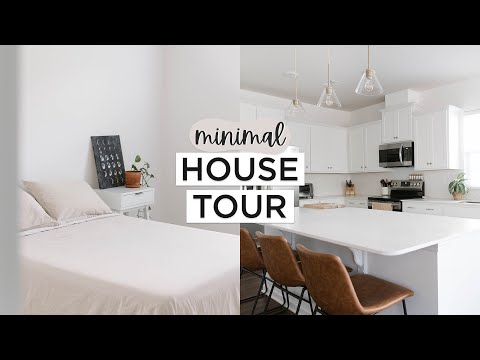
Minimalist House Tour | Our Cozy + Calm Home
Duration: 10:41. Views: 919.3K views
► Play

Living Room Layout Ideas | Interior Design
Duration: 04:43. Views: 411.6K views
► Play
Thats the complete discussion and the Most Exciting Videos that can show associated with Minimalist Home Interior Design Ideas for a Clean Look. Don’t forget to share or bookmark this page for future reference.
Related Post to Minimalist Home Interior Design Ideas For A Clean Look
25 Best Home Interior Design Ideas For Small Spaces
25 Clever Home Interior Design Ideas for Small Spaces The challenge of designing small spaces lies in maximizing functionality without sacrificing aesthetics. Effective small... Read More
30 Contemporary Home Interior Design Ideas For Urban Living
Contemporary home interior design emphasizes clean lines, open spaces, and a focus on functionality. It incorporates current trends while maintaining a timeless appeal. This... Read More
Latest Home Interior Design Ideas For 2025 Trends
The world of home interior design is in constant flux, with trends evolving and adapting to reflect changing lifestyles, technological advancements, and a growing... Read More
28 Stunning Boho Chic Home Interior Design Ideas You’ll Love
Boho chic interior design is a style characterized by its relaxed, eclectic, and free-spirited aesthetic. It draws inspiration from bohemian and hippie influences, incorporating... Read More
Home Interior Design Ideas For Family Room
Creating a Welcoming Family Room: Home Interior Design Ideas for Family Room The family room serves as a central hub within the home, a... Read More