Home Design Ideas, Tips and References website. Search anything about Home Design in this website.
Contemporary Home Interior Design Ideas For Stylish Living
The realm of interior design is in constant flux, evolving to reflect current trends, technological advancements, and changing lifestyles. Contemporary home interior design emphasizes clean lines, a neutral color palette, and the incorporation of natural light to create a space that is both stylish and functional. This article will delve into key elements of contemporary design, offering insights and ideas to transform any living space into a modern haven.
Exploring the Essence of Contemporary Home Interior Design
Contemporary design is often confused with modern design, but it is important to note their distinctions. Modern design typically refers to a specific period (early to mid-20th century), while contemporary design is fluid and reflects what is current and en vogue. This allows for more flexibility and personalization within the design process. Contemporary design incorporates elements from various styles, creating a dynamic and evolving aesthetic.
At its core, contemporary interior design focuses on simplicity, sophistication, and functionality. It embraces open floor plans, clean lines, and a minimalistic approach to decor. Spaces are designed to be inviting and comfortable, prioritizing both aesthetics and practicality. Natural light plays a significant role, enhancing the sense of spaciousness and airiness. The effective use of negative space is also a hallmark, allowing individual design elements to stand out.
Key Elements of Contemporary Interior Design: A Detailed Overview
Color Palettes in Contemporary Home Interior Design
A neutral color palette is fundamental to contemporary design. Whites, grays, and beiges form the foundation, creating a serene and versatile backdrop. These neutral tones allow for pops of color through artwork, accessories, or accent furniture. The judicious use of color prevents the space from feeling sterile and adds visual interest. Consider using varying shades of the same color to create depth and dimension.
Accent colors in contemporary interiors are often bold and vibrant, used sparingly to create visual impact. Think deep blues, rich greens, or even metallic accents like gold or silver. These colors are typically introduced through artwork, cushions, rugs, or decorative objects. The key is to use these accents strategically to draw the eye and add personality without overwhelming the neutral base.
Furniture Selection for Contemporary Home Interior Design
Furniture in contemporary design is characterized by clean lines, simple shapes, and a lack of ornamentation. Pieces are chosen for their functionality and aesthetic appeal, often featuring sleek silhouettes and minimalist detailing. Upholstery is typically made from natural materials such as linen, cotton, or leather, in neutral colors that complement the overall palette. Less is more when it comes to furniture, so select key pieces that serve a purpose and contribute to the overall design.
The arrangement of furniture is also crucial in contemporary design. Open floor plans are common, and furniture is often arranged to facilitate conversation and create distinct zones within a larger space. Consider floating furniture away from the walls to create a sense of airiness and movement. Functional pieces that can serve multiple purposes, such as ottomans with storage or sofa beds, are ideal for maximizing space and utility.
Lighting Strategies in Contemporary Home Interior Design
Lighting is a critical element in contemporary design, both natural and artificial. Large windows and skylights are utilized to maximize natural light, creating bright and airy spaces. Window treatments are typically minimal, such as sheer curtains or blinds, to allow as much light as possible to enter the room. Proper lighting enhances the clean lines and neutral color palette, creating a welcoming and comfortable environment. You might also want to explore Home Interior Design Ideas for Living Room for more insights.
Artificial lighting in contemporary design is often layered, incorporating ambient, task, and accent lighting to create a balanced and functional space. Recessed lighting, track lighting, and pendant lights are commonly used to provide ambient illumination. Task lighting, such as desk lamps or reading lights, is strategically placed to provide focused illumination for specific activities. Accent lighting is used to highlight architectural features, artwork, or decorative objects. The use of smart lighting systems allows for customized control and energy efficiency.
Materials and Textures in Contemporary Home Interior Design
Contemporary design embraces a variety of materials and textures to add depth and interest to a space. Natural materials such as wood, stone, and glass are commonly used to create a sense of warmth and connection to the outdoors. Metal accents, such as stainless steel or brushed nickel, are often incorporated to add a touch of sophistication. The combination of different textures, such as smooth glass, rough wood, and soft fabrics, creates a tactile and visually appealing environment.
The use of sustainable and eco-friendly materials is also a growing trend in contemporary design. Bamboo flooring, recycled glass countertops, and reclaimed wood furniture are becoming increasingly popular choices. These materials not only add a unique character to the space but also contribute to a more environmentally conscious lifestyle. The incorporation of indoor plants and greenery further enhances the connection to nature and adds a sense of freshness to the interior.
Accessorizing Contemporary Homes: A Subtle Approach
Accessories in contemporary design are carefully chosen to complement the overall aesthetic. The focus is on quality over quantity, with a few well-selected pieces making a greater impact than a cluttered display. Artwork, sculptures, and decorative objects are chosen for their visual appeal and ability to enhance the design scheme. Consider oversized artwork or sculptural elements to create a focal point in the room.
Textiles, such as cushions, throws, and rugs, are used to add warmth and texture to the space. Choose fabrics with interesting patterns or textures to add visual interest without overwhelming the neutral color palette. Mirrors are also a valuable accessory, as they can enhance natural light and create the illusion of more space. When selecting accessories, consider the scale and proportion of the room to ensure that the pieces are appropriately sized and contribute to the overall balance of the design.
Practical Tips for Implementing Contemporary Home Interior Design Ideas
Start with a Clean Slate
Before embarking on a contemporary design project, declutter the space and remove any unnecessary items. This will create a clean slate and allow to better visualize the design possibilities. Purge any items that do not align with the contemporary aesthetic, such as overly ornate furniture or cluttered displays. Less is more when it comes to contemporary design, so be selective about what is kept and displayed.
Focus on Functionality
Contemporary design prioritizes functionality, so consider how the space will be used and choose furniture and accessories accordingly. Select pieces that serve a purpose and contribute to the overall efficiency of the space. For example, a coffee table with storage can help to keep the living room organized, while a comfortable armchair can provide a relaxing spot for reading. The functionality-first approach also relates to Smart Home Interior Design Ideas, where technology is subtly integrated for convenience and energy efficiency.
Embrace Natural Light
Maximize natural light by keeping windows clear and utilizing minimal window treatments. If privacy is a concern, consider using sheer curtains or blinds that allow light to filter through. The use of mirrors can also help to reflect natural light and brighten the space. Position mirrors strategically to capture and amplify the light, making the room feel more open and airy.
Incorporate Personal Touches
While contemporary design emphasizes simplicity and minimalism, it is important to incorporate personal touches to make the space feel unique and inviting. Display artwork, photographs, or decorative objects that reflect personal interests and experiences. These personal touches will add character to the space and make it feel more like home. Consider creating a gallery wall with a curated collection of artwork or displaying a favorite collection of objects on a bookshelf.
Maintain Consistency
Consistency is key to creating a cohesive contemporary design scheme. Choose a color palette, style of furniture, and type of accessories that complement each other and create a unified look. Avoid mixing too many different styles or patterns, as this can create a cluttered and disjointed feel. Stick to a consistent theme throughout the space to create a sense of harmony and balance.
By following these tips and incorporating the key elements of contemporary design, one can transform any living space into a stylish and functional haven. Contemporary interior design offers a timeless aesthetic that is both modern and inviting, creating a comfortable and sophisticated environment.
Collection of the Most Popular Videos Related to Contemporary Home Interior Design Ideas for Stylish Living
Top 10 Interior Design Trends You Need To Know | Latest Home Ideas & Inspirations
Cozy Homes & Interior Design Ideas | Top 5
Top 5 Interior Design Ideas For Cultivating a Peaceful Home
Collection of the Most Recommended Videos about Top 10 Interior Design Trends You Need To Know | Latest Home Ideas & Inspirations

Top 10 Interior Design Ideas And Home Decor For Living Room
Duration: 12:31. Views: 1.6M views
► Play

Bright And Beautiful Home Decor Ideas | Interior Design Ideas
Duration: 13:27. Views: 2.1K views
► Play

Timeless Elegance Meets Modern Flair: 7 Luxurious Transitional Living Room Designs In Los Angeles
Duration: 03:04. Views: 7K views
► Play

Living Room Layout Ideas | Interior Design
Duration: 04:43. Views: 411.6K views
► Play
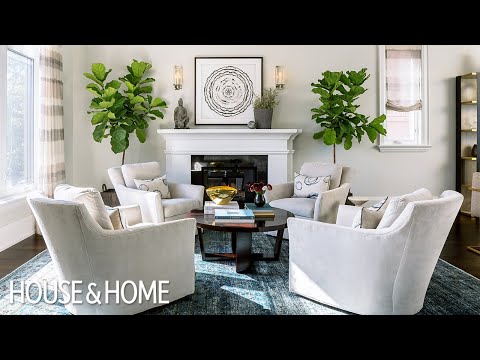
Tour A Traditional Living Dining Room With A Twist
Duration: 04:17. Views: 110.6K views
► Play
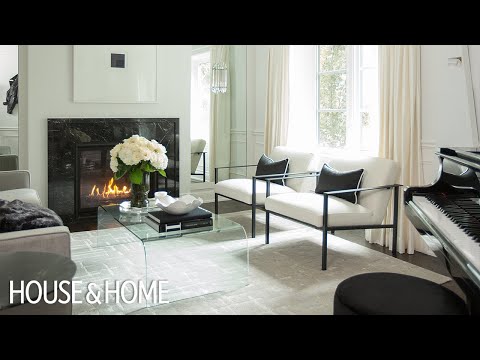
Interior Design — Classic To Contemporary Makeover
Duration: 04:26. Views: 618.1K views
► Play

Interior Design – A Fresh Take On Traditional Style
Duration: 04:35. Views: 623.5K views
► Play
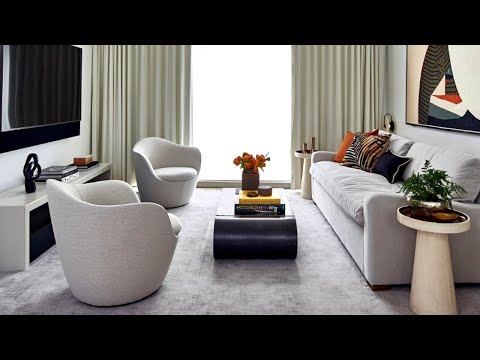
42 Contemporary Living Room Ideas
Duration: 05:01. Views: 33.7K views
► Play
Thats the complete discussion and the Most Interesting Videos that we can show related with Contemporary Home Interior Design Ideas for Stylish Living. Don’t forget to share or bookmark this page for future reference.
Related Post to Contemporary Home Interior Design Ideas For Stylish Living
25 Best Home Interior Design Ideas For Small Spaces
25 Clever Home Interior Design Ideas for Small Spaces The challenge of designing small spaces lies in maximizing functionality without sacrificing aesthetics. Effective small... Read More
30 Contemporary Home Interior Design Ideas For Urban Living
Contemporary home interior design emphasizes clean lines, open spaces, and a focus on functionality. It incorporates current trends while maintaining a timeless appeal. This... Read More
Latest Home Interior Design Ideas For 2025 Trends
The world of home interior design is in constant flux, with trends evolving and adapting to reflect changing lifestyles, technological advancements, and a growing... Read More
28 Stunning Boho Chic Home Interior Design Ideas You’ll Love
Boho chic interior design is a style characterized by its relaxed, eclectic, and free-spirited aesthetic. It draws inspiration from bohemian and hippie influences, incorporating... Read More
Home Interior Design Ideas For Family Room
Creating a Welcoming Family Room: Home Interior Design Ideas for Family Room The family room serves as a central hub within the home, a... Read More