Home Design Ideas, Tips and References website. Search anything about Home Design in this website.
7 Smart Home Lighting Design Tips To Brighten Your Space
7 Smart Home Lighting Design Tips to Brighten Your Space
Smart home lighting design transcends mere illumination; it represents a strategic integration of technology and aesthetics to enhance the ambiance, functionality, and energy efficiency of living spaces. Careful planning and implementation are essential to leverage the full potential of smart lighting systems, creating an environment that is both visually appealing and conducive to various activities. The following guidelines offer a comprehensive approach to achieving optimal results in smart home lighting design.
Implementing a smart lighting system involves more than just installing smart bulbs. It requires a holistic understanding of how light interacts with space, how different lighting types serve specific purposes, and how automation can improve the overall living experience. Considerations such as color temperature, dimming capabilities, and scheduling options contribute significantly to the effectiveness of the design. This exploration delves into practical tips for transforming a house into a technologically advanced and visually harmonious home.
Understanding the Fundamentals of Smart Lighting Design
A foundational understanding of lighting principles is critical for effective smart home lighting design. This includes comprehending the roles of ambient, task, and accent lighting. Ambient lighting provides overall illumination, creating a base level of brightness in a room. Task lighting focuses on specific areas to facilitate activities such as reading or cooking. Accent lighting highlights architectural features or artwork, adding depth and visual interest to the space. The interplay of these three lighting types is fundamental to a well-designed lighting scheme.
Furthermore, considering color temperature is paramount. Warm light (2700-3000K) creates a cozy and inviting atmosphere, ideal for bedrooms and living rooms. Cool light (3500-4500K) provides a more energetic and focused environment, suitable for kitchens and home offices. Daylight (5000-6500K) mimics natural sunlight and is often preferred for areas where accurate color perception is necessary. Smart lighting systems allow for dynamic adjustments of color temperature, enabling customization based on the time of day or desired mood. By incorporating these fundamental principles, one can craft a lighting environment that adapts seamlessly to various needs and preferences.
Smart Home Lighting Design: Prioritize Layered Lighting
Layered lighting is the cornerstone of any effective lighting design, smart or otherwise. It involves combining ambient, task, and accent lighting to create a well-balanced and versatile illumination scheme. Ambient lighting, often provided by ceiling fixtures or recessed lighting, establishes the overall brightness level. Task lighting, such as desk lamps or under-cabinet lights, focuses on specific areas to facilitate tasks. Accent lighting, using spotlights or wall sconces, highlights architectural features or décor.
By integrating these three layers, a space achieves both functional and aesthetic appeal. A room with only ambient lighting can feel flat and uninviting, while a room with only task lighting may lack overall warmth and ambiance. Layering allows for flexibility and customization, enabling occupants to adjust the lighting to suit various activities and moods. Integrating smart controls allows for further fine-tuning, with the ability to independently adjust the intensity and color temperature of each layer, creating a truly personalized lighting experience. Looking for Small Space Home Design Ideas? Click here!
Optimize Energy Efficiency with Smart Lighting
One of the primary benefits of smart lighting is its potential to significantly reduce energy consumption. Smart bulbs, typically LED-based, consume considerably less energy than traditional incandescent or halogen bulbs. Moreover, smart lighting systems often include features such as dimming, scheduling, and occupancy sensors, which further optimize energy use.
Dimming allows users to reduce the light output when full brightness is not needed, thereby saving energy. Scheduling enables automated control, turning lights off when rooms are unoccupied or reducing brightness during specific times of the day. Occupancy sensors automatically turn lights on when someone enters a room and off when they leave. By leveraging these features, homeowners can minimize energy waste and reduce their carbon footprint. Additionally, many smart lighting systems provide energy usage reports, allowing users to track their consumption and identify areas for further optimization. Integrating Eco Friendly Home Design Ideas into your lighting plan can further enhance sustainability.
Strategic Placement of Smart Lighting Fixtures
The placement of lighting fixtures is crucial in achieving optimal illumination and visual appeal. Careful consideration should be given to the purpose of each space and the activities that will take place within it. In living rooms, for example, a combination of recessed lighting, floor lamps, and table lamps can create a warm and inviting atmosphere. Kitchens require brighter task lighting over countertops and cooking surfaces, supplemented by ambient lighting for overall illumination. Bedrooms benefit from softer, warmer lighting to promote relaxation and sleep.
Moreover, the architectural features of the space should be taken into account. Lighting can be used to highlight interesting details or to create focal points. For example, spotlights can be used to illuminate artwork, while wall sconces can add ambiance and accentuate architectural elements. Strategic placement also involves minimizing glare and shadows, ensuring that light is distributed evenly and comfortably. Experimenting with different fixture types and locations can help achieve the desired effect, creating a space that is both functional and aesthetically pleasing. Smart lighting systems allow for remote adjustments and customization, enabling users to fine-tune the lighting to suit various activities and preferences.
Smart Home Lighting Ambiance: Utilize Smart Bulbs with Adjustable Color Temperature
Smart bulbs with adjustable color temperature offer unparalleled flexibility in creating different moods and atmospheres within a home. The ability to shift from warm, cozy light to cool, energizing light allows users to tailor the lighting to specific activities and preferences. Warm light, with a color temperature of around 2700-3000K, is ideal for creating a relaxing and inviting ambiance in bedrooms and living rooms. Cool light, with a color temperature of around 4000-5000K, is better suited for task lighting in kitchens and home offices, promoting focus and concentration.
Smart bulbs can be programmed to automatically adjust color temperature throughout the day, mimicking the natural changes in sunlight. This can help regulate circadian rhythms and improve overall well-being. For example, the lighting can be set to gradually shift from cool to warm in the evening, signaling the body to prepare for sleep. The ability to fine-tune color temperature also allows users to create customized scenes for different activities, such as movie nights, dinner parties, or reading sessions. This level of personalization enhances the functionality and enjoyment of the space, creating a lighting environment that adapts seamlessly to various needs and preferences. You might also want to explore Modern Home Design Ideas for further inspiration.
Embrace Automation and Smart Controls
The true power of smart lighting lies in its automation capabilities. Smart lighting systems can be controlled remotely via smartphone apps, voice assistants, or dedicated control panels. This allows users to adjust lighting levels, color temperatures, and schedules from anywhere, at any time. Automation can also be integrated with other smart home devices, such as thermostats, security systems, and entertainment systems, creating a seamless and interconnected living environment.
Automated lighting scenes can be created for various activities, such as “movie night,” “dinner party,” or “bedtime,” automatically adjusting the lighting to the optimal settings for each scenario. Geofencing can be used to automatically turn lights on when someone approaches the house and off when they leave. Voice control enables hands-free operation, allowing users to adjust the lighting with simple voice commands. By embracing automation and smart controls, homeowners can create a truly intelligent and responsive lighting system that enhances convenience, comfort, and energy efficiency. This level of integration transforms a house into a technologically advanced and user-friendly smart home.
Enhancing Home Security with Smart Lighting
Smart lighting can play a significant role in enhancing home security. Automated lighting schedules can be programmed to mimic occupancy patterns, creating the illusion that someone is home even when the house is empty. This can deter potential burglars and improve overall security. Motion-activated lights can be installed around the perimeter of the property, automatically illuminating when movement is detected. This not only provides added security but also enhances visibility and safety.
Many smart lighting systems can be integrated with security cameras and alarm systems, providing a comprehensive security solution. When motion is detected, the lights can automatically turn on, and a notification can be sent to the homeowner’s smartphone. Some systems even allow users to remotely control the lights and view live video feeds, enabling them to assess the situation and take appropriate action. By leveraging the security features of smart lighting, homeowners can enhance their peace of mind and protect their property.
Smart Lighting Considerations: Consider Smart Shades and Blinds
Smart shades and blinds complement smart lighting systems, providing enhanced control over natural light and privacy. These automated window coverings can be programmed to open and close at specific times of the day, optimizing natural light and reducing the need for artificial lighting. They can also be integrated with smart lighting systems, creating coordinated scenes that automatically adjust both artificial and natural light levels.
Smart shades and blinds can also contribute to energy efficiency by blocking out sunlight during peak hours, reducing heat gain in the summer and heat loss in the winter. They can be controlled remotely via smartphone apps, voice assistants, or dedicated control panels, providing convenient and flexible control. By incorporating smart shades and blinds into a smart home design, homeowners can create a more comfortable, energy-efficient, and secure living environment.
By following these seven smart home lighting design tips, any homeowner can transform their living space into a technologically advanced, visually appealing, and energy-efficient environment. The key is to understand the fundamentals of lighting, plan strategically, and leverage the full potential of smart technology.
List of the Most Exciting Videos Related to 7 Smart Home Lighting Design Tips to Brighten Your Space
10 Essential Tips Starting a Smart Home
Top 5 RGB Lights for Your Room
Interior Design Tips: Consistency in Lighting
List of the Most Exciting Videos Related to 10 Essential Tips Starting a Smart Home
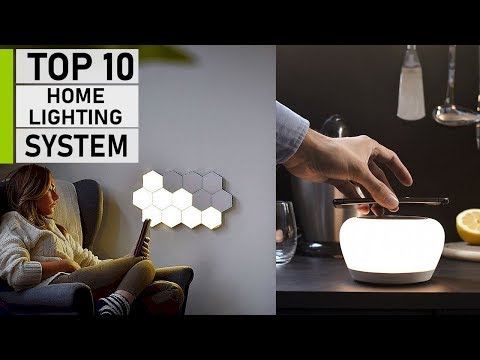
Top 10 Smart Home Lighting System For Your Home
Duration: 13:09. Views: 89.4K views
► Play

How To Create A Smart Lighting System At Home
Duration: 09:49. Views: 632 views
► Play

How To Plan Lighting For A New Home | Lighting For A House, Living Room, Kitchen In Tamil
Duration: 08:09. Views: 24.1K views
► Play
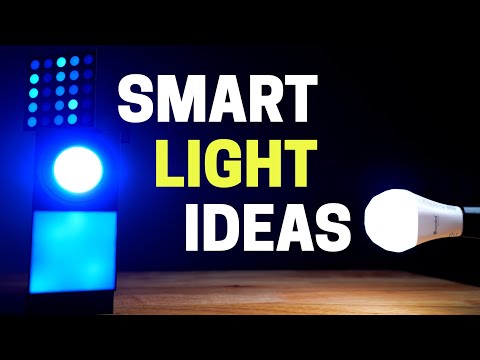
How I Automate Smart Lights To Make Them Very Useful!
Duration: . Views: 139.8K views
► Play

Diy Home Automation Project Using Tuya Iot | Smart Light Project Using Arduino Uno
Duration: 06:59. Views: 20.3K views
► Play

Residential Lighting Design
Duration: 01:31. Views: 27.7K views
► Play

2020 Design Tip: Lighting Tricks
Duration: 03:27. Views: 16.2K views
► Play

8 Easy Ways To Add Light To A Room
Duration: 10:14. Views: 73.2K views
► Play
That was the complete discussion and the Most Interesting Videos that we can display related with 7 Smart Home Lighting Design Tips to Brighten Your Space. Don’t forget to share or bookmark this page for future reference.
Related Post to 7 Smart Home Lighting Design Tips To Brighten Your Space
9 Industrial Home Design Ideas With A Chic Urban Touch
Industrial home design, with its raw aesthetic and urban influences, has surged in popularity. This article explores nine distinct industrial home design ideas, each... Read More
12 Inspiring Home Design Ideas For First Time Homeowners
Embarking on the journey of homeownership is a significant milestone. The desire to personalize and transform a new house into a welcoming home is... Read More
10 Creative Home Design Ideas To Transform Your Space
Transforming a living space can be an exciting endeavor. Home design is not merely about aesthetics; it is about creating an environment that reflects... Read More
14 Elegant Minimal Home Design Ideas For Urban Living
Urban living presents unique challenges and opportunities when it comes to home design. The desire for tranquility and order amidst the hustle and bustle... Read More
10 Serene Home Design Ideas For Mindful Living
Keywords: Serene Home Design, Mindful Living, Interior Design, Home Decor, Relaxation, Tranquility, Wellness, Natural Light, Calming Colors, Minimalist Design.... Read More