Home Design Ideas, Tips and References website. Search anything about Home Design in this website.
Rustic Cottage Garden Landscaping Design
Rustic Cottage Garden Landscaping Design: A Comprehensive Guide
The allure of a rustic cottage garden lies in its apparent informality, its abundance of flowers, and its evocation of a simpler, more natural time. Achieving this aesthetic requires careful planning and a thoughtful selection of plants and materials. This guide explores the core elements of rustic cottage garden landscaping design, providing insights for creating a charming and inviting outdoor space. The goal is to create a garden that feels both timeless and personal, a sanctuary that celebrates the beauty of nature.
Rustic cottage gardens are not defined by rigid rules, but rather by a spirit of generosity and a love for the unexpected. While it may appear unplanned, a successful cottage garden relies on a strong underlying structure to support the profusion of blooms and foliage. The following sections will delve into the key considerations for designing and implementing a rustic cottage garden, ensuring that the final result is both beautiful and functional.
Unveiling the Charm: Understanding Rustic Cottage Garden Design
Rustic cottage garden design embraces an informal and romantic style, reminiscent of the gardens surrounding traditional country homes. It is characterized by its dense planting, overflowing flower beds, and the use of natural materials. The emphasis is on creating a sense of abundance and spontaneity, as if the garden has evolved organically over time. This style often incorporates elements of English cottage gardens, adding a touch of nostalgia and old-world charm.
Key elements of rustic cottage garden design include:
-
Informal Layout: Avoid rigid lines and symmetrical patterns.
-
Dense Planting: Create a sense of abundance with closely spaced plants.
-
Mixed Borders: Combine flowers, herbs, vegetables, and fruit in the same beds.
-
Natural Materials: Use stone, wood, and gravel for pathways and edging.
-
Self-Seeding: Allow plants to self-seed for a natural and evolving garden.
Key Elements: Crafting a Rustic Garden Landscape
The landscape design of a rustic cottage garden revolves around several core principles. The first is informality. This means avoiding straight lines and rigid structures. Instead, embrace curves, meandering paths, and naturally shaped flower beds. The second key element is layering. Planting in layers, with taller plants at the back and shorter plants at the front, creates depth and visual interest.
Other critical elements include:
-
Mixing Textures: Combine plants with different leaf shapes, sizes, and colors.
-
Using Focal Points: Incorporate features such as birdbaths, arbors, or sculptures to draw the eye.
-
Creating Pathways: Design pathways that invite exploration and lead visitors through the garden.
-
Adding Seating: Provide comfortable seating areas where individuals can relax and enjoy the beauty of the garden.
Plant Selection: Cultivating a Blooming Rustic Cottage Garden
The plant selection is arguably the most important aspect of a rustic cottage garden. Classic cottage garden plants include roses, peonies, delphiniums, foxgloves, and lavender. These plants provide a profusion of color and fragrance, contributing to the garden’s overall charm. It is also important to include a variety of plants that bloom at different times of the year to ensure a continuous display of flowers.
When choosing plants, consider the following:
-
Color Palette: Select a color scheme that appeals to individual preferences.
-
Bloom Time: Choose plants that bloom at different times to extend the flowering season.
-
Height and Spread: Consider the mature size of plants to ensure they do not overcrowd each other.
-
Sunlight Requirements: Select plants that are suitable for the amount of sunlight the garden receives.
-
Maintenance Needs: Choose plants that align with the individual’s gardening capabilities and time commitment. Consider Low Maintenance Garden Design Ideas for Busy Homeowners if time is limited.
Popular Plants for a Rustic Cottage Garden
Numerous plants thrive in a rustic cottage garden setting. Roses, in their many varieties, are a quintessential choice, adding fragrance and elegance. Peonies offer large, showy blooms in a range of colors, while delphiniums provide vertical interest with their tall spires of flowers. Foxgloves add a touch of whimsy with their bell-shaped blossoms, and lavender contributes fragrance and a calming presence.
Other excellent plant choices include:
-
Hollyhocks: Tall and stately, adding vertical interest.
-
Cosmos: Easy to grow and provides a profusion of colorful flowers.
-
Sweet Peas: Fragrant and climbing, perfect for adding vertical interest to fences or trellises.
-
Snapdragons: Available in a wide range of colors and add a touch of whimsy.
-
Coneflowers: Drought-tolerant and attract pollinators.
Incorporating Herbs and Vegetables
A defining characteristic of rustic cottage gardens is the integration of herbs and vegetables among the flowers. This practice not only adds practicality to the garden but also enhances its visual appeal. Herbs such as rosemary, thyme, and sage offer fragrant foliage and culinary benefits. Vegetables such as tomatoes, lettuce, and kale can be interspersed among the flowers, adding texture and color.
When incorporating herbs and vegetables, consider the following:
-
Choose herbs and vegetables that complement the overall aesthetic of the garden.
-
Plant herbs and vegetables in raised beds or containers for easy access.
-
Ensure that herbs and vegetables receive adequate sunlight and water.
-
Protect herbs and vegetables from pests and diseases.
Hardscaping and Features: Adding Character to Your Rustic Cottage Garden
Hardscaping plays a crucial role in defining the character of a rustic cottage garden. Natural materials such as stone, wood, and gravel are preferred over concrete or asphalt. Pathways made of flagstone or gravel create a rustic and inviting feel, while wooden fences or arbors add vertical interest and provide support for climbing plants. Integrating Rustic Garden Design Ideas with Natural Elements is key.
Consider incorporating the following hardscaping elements:
-
Stone Pathways: Create winding pathways using flagstone or gravel.
-
Wooden Fences: Use picket fences or rustic wooden fences to define the garden’s boundaries.
-
Arbors and Trellises: Provide support for climbing plants such as roses and clematis.
-
Birdbaths and Fountains: Add a touch of whimsy and attract wildlife.
-
Seating Areas: Create comfortable seating areas with benches or chairs.
Choosing the Right Materials
The choice of materials is crucial for achieving the desired rustic aesthetic. Opt for natural and weathered materials that blend seamlessly with the garden’s surroundings. Reclaimed wood, aged stone, and weathered metal add character and a sense of history. Avoid using overly modern or synthetic materials, as they can detract from the garden’s charm.
Some recommended materials include:
-
Flagstone: Ideal for creating pathways and patios.
-
Gravel: A cost-effective and versatile option for pathways and ground cover.
-
Reclaimed Wood: Perfect for building fences, raised beds, and garden furniture.
-
Weathered Metal: Use for accents, such as garden art or plant supports.
Adding Decorative Elements
Decorative elements add personality and charm to a rustic cottage garden. Consider incorporating vintage or antique items such as watering cans, birdhouses, and garden gnomes. These elements add a touch of whimsy and create a sense of nostalgia. Furthermore, think about incorporating Front Yard Garden Design Ideas for Curb Appeal, and use natural elements to enhance the visual appeal of the property.
Ideas for decorative elements include:
-
Vintage Watering Cans: Use as planters or decorative accents.
-
Birdhouses: Attract birds and add visual interest.
-
Garden Gnomes: Add a touch of whimsy and playfulness.
-
Antique Tools: Display old gardening tools as decorative accents.
-
Stone Sculptures: Add a touch of elegance and artistry.
Maintenance and Care: Nurturing Your Rustic Cottage Garden
While rustic cottage gardens are known for their informal appearance, they still require regular maintenance and care. Deadheading spent flowers, weeding, and watering are essential tasks for keeping the garden healthy and vibrant. Additionally, fertilizing plants regularly will promote vigorous growth and abundant blooms.
Consider these maintenance tips:
-
Deadhead spent flowers regularly to encourage new blooms.
-
Weed regularly to prevent weeds from overcrowding plants.
-
Water plants deeply and regularly, especially during dry periods.
-
Fertilize plants regularly with a balanced fertilizer.
-
Prune plants as needed to maintain their shape and size.
Encouraging Self-Seeding
One of the defining characteristics of a rustic cottage garden is its ability to self-seed. Allowing plants to self-seed creates a natural and evolving garden, with new plants appearing in unexpected places. This adds to the garden’s overall charm and spontaneity. To encourage self-seeding, avoid deadheading all the flowers and allow some to go to seed.
Tips for encouraging self-seeding include:
-
Allow some flowers to go to seed.
-
Avoid using mulch, as it can prevent seeds from germinating.
-
Loosen the soil to make it easier for seeds to germinate.
-
Water regularly to keep the soil moist.
Dealing with Pests and Diseases
Pests and diseases can be a challenge in any garden, and rustic cottage gardens are no exception. However, there are several steps that can be taken to minimize the risk of problems. Choose disease-resistant plant varieties, provide adequate air circulation, and avoid overwatering. If pests or diseases do occur, treat them promptly with appropriate organic or chemical controls.
Strategies for dealing with pests and diseases include:
-
Choose disease-resistant plant varieties.
-
Provide adequate air circulation by spacing plants properly.
-
Avoid overwatering.
-
Treat pests and diseases promptly with appropriate organic or chemical controls.
Adapting Rustic Cottage Garden Landscaping to Different Spaces
The principles of rustic cottage garden design can be adapted to fit a variety of spaces, from small urban gardens to larger rural properties. In small gardens, focus on creating a sense of intimacy and enclosure. Use vertical gardening techniques to maximize space, and choose compact plant varieties. In larger gardens, create distinct garden rooms and incorporate more elaborate hardscaping features.
Consider these adaptations:
-
Small Gardens: Utilize vertical gardening and choose compact plant varieties.
-
Large Gardens: Create distinct garden rooms and incorporate more elaborate hardscaping.
-
Urban Gardens: Focus on container gardening and choose plants that tolerate urban conditions.
With creativity, the design principles can apply to any space.
Rustic Cottage Gardens in Urban Settings
Even in urban settings, the charm of a rustic cottage garden can be recreated. Container gardening is an excellent option for urban gardeners, allowing individuals to grow a variety of plants in a limited space. Choose plants that tolerate urban conditions, such as pollution and limited sunlight. Consider using raised beds or vertical gardening structures to maximize space.
Tips for creating a rustic cottage garden in an urban setting include:
-
Use container gardening to grow plants in a limited space.
-
Choose plants that tolerate urban conditions.
-
Use raised beds or vertical gardening structures to maximize space.
Rustic Cottage Gardens in Rural Settings
In rural settings, the possibilities for creating a rustic cottage garden are virtually limitless. Individuals can create expansive flower beds, incorporate large trees and shrubs, and design elaborate hardscaping features. Consider incorporating natural elements such as streams, ponds, or woodlands into the garden design.
Tips for creating a rustic cottage garden in a rural setting include:
-
Create expansive flower beds.
-
Incorporate large trees and shrubs.
-
Design elaborate hardscaping features.
-
Incorporate natural elements such as streams, ponds, or woodlands.
Designing a rustic cottage garden is a rewarding endeavor that brings beauty and tranquility to any outdoor space. By understanding the core elements of this design style and carefully selecting plants and materials, individuals can create a charming and inviting garden that reflects their personal style and love for nature. The principles are adaptable to various spaces, from urban balconies to rural estates.
Collection of the Most Recommended Videos Relating to rustic cottage garden landscaping design
Rock Gardens: How to Design a Stunning Landscape with Stones
How to create a cottage garden: beginner guide to gardening
Could These Simple Ideas Turn Your Yard into a Rustic Cottage Garden
Collection of the Most Sought Videos about Rock Gardens: How to Design a Stunning Landscape with Stones

5 Cottage Garden Design Ideas That Will Bring Some Charm To Your Backyard 🌼🌸✨
Duration: 05:13. Views: 36.7K views
► Play

Rustic Cottage Garden Retreats: Small Space Ideas With Charming Paths And Outdoor Dreams
Duration: . Views: 1.7K views
► Play
Small Landscape Design Ideas (10 Secrets)
Duration: 16:19. Views: 3.9M views
► Play

How To Build A Diy Retaining Wall
Duration: 06:24. Views: 248K views
► Play
55 Cozy Country Kitchen Ideas
Duration: 10:51. Views: 1.3M views
► Play

58+ Courtyard Garden Design Ideas
Duration: 09:48. Views: 408.5K views
► Play
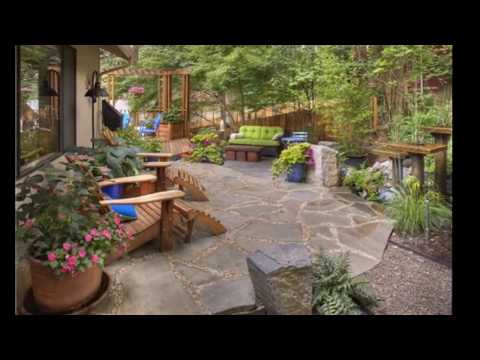
Rustic Garden Design Ideas
Duration: 03:25. Views: 326.7K views
► Play

How To Create A Cottage Garden
Duration: 03:18. Views: 396.9K views
► Play
Thats the complete discussion and the Most Exciting Videos that we can show associated with rustic cottage garden landscaping design. Don’t forget to share or bookmark this page for future reference.
Related Post to Rustic Cottage Garden Landscaping Design
15 Front Porch Garden Design Ideas With Hanging Baskets
Transforming a front porch into a welcoming and vibrant space can significantly enhance curb appeal and create a positive first impression. One effective way... Read More
10 Backyard Deck Garden Design Ideas With Plants And Seating
Transforming a backyard deck into a lush garden oasis is an attainable goal for homeowners seeking to enhance their outdoor living space. By integrating... Read More
10 Rooftop Garden Design Ideas With Small Pools
Rooftop gardens represent an innovative approach to urban living, transforming unused spaces into vibrant oases. Integrating small pools into these rooftop sanctuaries elevates the... Read More
15 Waterfall Garden Design Ideas For Stunning Landscapes
Waterfalls introduce a dynamic element to any garden, transforming tranquil spaces into vibrant, engaging landscapes. The gentle sound of cascading water promotes relaxation, while... Read More
Classic Living Room Design Ideas
Classic Living Room Design Ideas: Timeless Elegance for Your Home Classic living room design emphasizes timelessness and sophistication, creating a space that feels both... Read More