Home Design Ideas, Tips and References website. Search anything about Home Design in this website.
Eco-friendly Kitchen Design Ideas
Eco-Friendly Kitchen Design: A Guide to Sustainable Living
An environmentally conscious approach to kitchen design prioritizes minimizing environmental impact through material selection, energy consumption, and water usage. This approach not only benefits the planet but can also enhance the health and well-being of the occupants. By adopting sustainable practices, a kitchen can become a model for eco-friendly living within the home.
This guide delves into the various facets of eco-friendly kitchen design, providing actionable strategies for creating a space that is both aesthetically pleasing and environmentally responsible. From selecting recycled materials to installing water-saving fixtures, each design choice contributes to a more sustainable lifestyle. Careful planning is essential to realizing an eco-friendly kitchen, requiring detailed attention to materials, appliances and lighting options.
Sustainable Kitchen Materials: Choosing Eco-Conscious Options
The selection of materials plays a critical role in the sustainability of a kitchen. Opting for recycled, reclaimed, or sustainably sourced materials reduces the demand for new resources and minimizes the environmental footprint of the construction process. Understanding the lifecycle of materials is crucial for making informed decisions.
Considering the environmental impact of materials from their extraction to their disposal is essential. Materials such as bamboo, reclaimed wood, recycled glass, and linoleum offer environmentally responsible alternatives to conventional materials. These materials often possess unique aesthetic qualities that enhance the kitchen’s design.
Eco Kitchen Cabinets: Sustainable Cabinetry Choices
Cabinetry represents a significant portion of the kitchen’s overall material usage. Choosing cabinets made from sustainably harvested wood certified by the Forest Stewardship Council (FSC) ensures responsible forestry practices. Alternative options include cabinets constructed from reclaimed wood or recycled materials.
Low-VOC (volatile organic compound) finishes and adhesives are crucial for maintaining indoor air quality. Formaldehyde-free cabinetry is another important consideration, as formaldehyde is a known carcinogen commonly found in conventional wood products. Prioritizing these safer materials contributes to a healthier living environment.
Sustainable Kitchen Countertops: Eco-Friendly Surfaces
Countertop materials also have significant environmental implications. Recycled glass countertops, made from post-consumer glass, offer a visually appealing and sustainable option. Other environmentally conscious choices include bamboo countertops and countertops made from recycled paper composites.
Concrete countertops, while durable, can have a high carbon footprint due to the cement production process. However, using recycled aggregates and supplementary cementitious materials can significantly reduce their environmental impact. Consider also the location of origin of the countertops in order to minimize transportation footprint.
Eco-Friendly Flooring Options: Sustainable Flooring Choices
Flooring options abound in the realm of eco-friendly design. Bamboo flooring, known for its rapid renewability, provides a sustainable alternative to hardwood. Cork flooring, harvested from the bark of cork oak trees, is another renewable and resilient option. Linoleum, made from natural materials such as linseed oil, cork dust, and wood flour, is a durable and biodegradable choice.
Reclaimed wood flooring offers a unique and environmentally responsible way to add character to a kitchen. Furthermore, it prevents these materials from ending up in a landfill. For tile flooring, look for options made from recycled content or manufactured using sustainable practices. Also, consider exploring Rustic Kitchen Design Ideas for incorporating reclaimed wood into the design.
Energy-Efficient Appliances: Minimizing Energy Consumption
Energy-efficient appliances are paramount to reducing the environmental impact of a kitchen. Appliances that are Energy Star certified meet strict energy performance standards, consuming less electricity and water than conventional models. Investing in energy-efficient appliances not only benefits the environment but also lowers utility bills.
When selecting appliances, consider the energy consumption ratings and opt for models with the highest efficiency ratings. Induction cooktops, for example, are significantly more energy-efficient than traditional electric cooktops, as they heat the cookware directly rather than the cooktop surface. Furthermore, they often cook food more quickly.
Energy-Efficient Refrigerators: Optimizing Cooling Efficiency
Refrigerators are one of the largest energy consumers in the kitchen. Look for Energy Star certified refrigerators with features such as adaptive defrost and improved insulation. Choosing the right size refrigerator for the household’s needs can also help reduce energy consumption. Consider also Contemporary Kitchen Design Ideas for modern, energy-efficient kitchen layouts.
Proper placement of the refrigerator is important for optimal efficiency. Avoid placing it near heat sources such as the oven or dishwasher, as this can force the refrigerator to work harder to maintain its internal temperature. Regularly cleaning the refrigerator coils can also improve its energy efficiency.
Energy-Efficient Dishwashers: Saving Water and Energy
Energy Star certified dishwashers use significantly less water and energy than older models. Look for dishwashers with features such as soil sensors, which adjust the water and energy usage based on the load’s cleanliness. Choosing a dishwasher with a delay start feature allows users to run it during off-peak hours, potentially saving on electricity costs.
Proper loading of the dishwasher is essential for efficient cleaning and energy savings. Avoid pre-rinsing dishes, as this wastes water. Ensure that the dishwasher is fully loaded before running it, but avoid overcrowding, which can prevent proper cleaning. Also consider the drying options on the dishwasher, using energy-saving features whenever possible.
Energy-Efficient Ovens: Optimizing Cooking Efficiency
Energy-efficient ovens can significantly reduce energy consumption in the kitchen. Convection ovens, which use a fan to circulate hot air, cook food more evenly and quickly, reducing cooking time and energy usage. Self-cleaning ovens with improved insulation are also more energy-efficient.
Consider the size of the oven when making a purchase. Smaller ovens, such as toaster ovens or convection microwave ovens, can be more energy-efficient for cooking smaller meals. Using the oven’s timer function can also help prevent overcooking and wasted energy.
Water Conservation in the Kitchen: Reducing Water Usage
Conserving water in the kitchen is crucial for environmental sustainability. Installing water-efficient fixtures and adopting water-saving habits can significantly reduce water consumption. From low-flow faucets to water-saving dishwashers, there are numerous strategies for minimizing water waste. Consider the importance of Small Kitchen Design Ideas for maximizing efficiency in limited spaces.
Educating household members about water conservation practices is essential for achieving long-term water savings. Simple actions such as turning off the tap while washing dishes or brushing teeth can make a significant difference. Regular maintenance of plumbing fixtures can prevent leaks and further reduce water waste.
Low-Flow Faucets: Reducing Water Consumption
Low-flow faucets are designed to reduce water consumption without sacrificing water pressure. These faucets use aerators to mix air with water, creating a steady stream while using less water. Look for faucets with the WaterSense label, which indicates that they meet the EPA’s water efficiency standards.
Installing a low-flow faucet is a simple and cost-effective way to conserve water in the kitchen. These faucets are available in a variety of styles and finishes to complement any kitchen design. Consider also the handle type and ease of use when selecting a low-flow faucet.
Water-Saving Dishwashers: Efficient Dishwashing
As discussed earlier, Energy Star certified dishwashers use significantly less water than older models. These dishwashers often feature soil sensors and other technologies that optimize water usage. Proper loading and maintenance of the dishwasher can further enhance water savings.
Running the dishwasher only when it is fully loaded is an important water conservation practice. Avoid pre-rinsing dishes, as this wastes water. Choose the appropriate wash cycle for the load’s cleanliness to minimize water and energy usage.
Water Filtration Systems: Reducing Bottled Water Consumption
Installing a water filtration system can reduce reliance on bottled water, which is both environmentally damaging and costly. Water filtration systems remove impurities from tap water, providing clean and safe drinking water. Various types of water filtration systems are available, including faucet filters, pitcher filters, and under-sink filters.
Choosing a water filtration system that meets the household’s needs can significantly reduce plastic waste from bottled water. Regular maintenance of the filtration system is essential for ensuring its effectiveness. Consider also the environmental impact of the filter cartridges and opt for recyclable or biodegradable options when available.
Eco-Friendly Lighting: Illuminating the Kitchen Sustainably
Lighting plays a crucial role in the kitchen’s overall energy consumption. Switching to energy-efficient lighting options such as LED (light-emitting diode) bulbs can significantly reduce electricity usage. LED bulbs use up to 75% less energy than incandescent bulbs and last much longer.
Consider the placement of lighting fixtures to maximize natural light and minimize the need for artificial lighting. Using dimmer switches allows for adjusting the brightness of lights, further reducing energy consumption. Natural light is also a beautiful element that will save energy and reduce bills.
LED Lighting: Energy-Efficient Illumination
LED lighting is the most energy-efficient lighting option available. LED bulbs are available in a variety of color temperatures and brightness levels, allowing for customization of the kitchen’s lighting ambiance. These bulbs are also more durable and long-lasting than incandescent and CFL (compact fluorescent lamp) bulbs.
Replacing all incandescent and CFL bulbs with LED bulbs is a simple and effective way to reduce energy consumption in the kitchen. LED lighting also produces less heat than traditional bulbs, which can help reduce cooling costs during the summer months. LED lighting also helps with the color accuracy and quality of light.
Natural Lighting: Maximizing Daylight
Maximizing natural light in the kitchen can significantly reduce the need for artificial lighting. Strategically placing windows and skylights can bring in ample natural light. Using light-colored paint and reflective surfaces can help distribute natural light throughout the kitchen.
Consider the orientation of the kitchen when designing the window placement. South-facing windows provide the most consistent natural light throughout the day. Using sheer curtains or blinds allows for controlling the amount of natural light entering the kitchen. Also consider using smart glass for automatic tinting to reduce glare.
Reducing Waste: Minimizing Kitchen Waste
Reducing waste in the kitchen is essential for promoting environmental sustainability. Composting food scraps, recycling materials, and reducing single-use plastics are all important strategies for minimizing kitchen waste. Implementing a comprehensive waste reduction plan can significantly reduce the amount of trash generated.
Adopting sustainable food storage practices, such as using reusable containers and beeswax wraps, can further reduce waste. Planning meals ahead of time and buying groceries in bulk can help prevent food waste. By reducing waste, this will lead to a cleaner and more efficient kitchen.
Composting: Recycling Food Scraps
Composting food scraps is an effective way to reduce landfill waste. Food scraps, such as fruit and vegetable peels, coffee grounds, and eggshells, can be composted in a backyard compost bin or a countertop composter. The compost can then be used to enrich garden soil.
Composting not only reduces waste but also creates a valuable resource for gardening. Ensure that the compost bin is properly maintained to prevent odors and attract pests. Consider also using a bokashi composter for composting a wider range of food scraps, including meat and dairy products.
Recycling: Sorting and Separating Materials
Properly sorting and separating recyclable materials is essential for effective recycling. Designate separate bins for paper, plastic, glass, and metal. Familiarize yourself with local recycling guidelines to ensure that materials are properly prepared for recycling. Consider researching Luxury Kitchen Design Ideas and sustainable material options for creating a beautiful and eco-conscious space.
Educate household members about the importance of recycling and provide clear instructions on how to sort materials. Washing and rinsing recyclable containers can prevent contamination and improve the quality of recycled materials. Recycling saves energy and resources, reducing the environmental impact of manufacturing new products.
Reducing Single-Use Plastics: Sustainable Alternatives
Reducing single-use plastics is crucial for minimizing plastic waste. Use reusable shopping bags, produce bags, and food storage containers. Avoid purchasing products packaged in excessive plastic. Choose products made from sustainable materials such as glass, stainless steel, or bamboo.
Replacing single-use plastics with sustainable alternatives is a simple and effective way to reduce waste. Carry a reusable water bottle and coffee cup to avoid disposable beverage containers. Using reusable straws and utensils can further reduce plastic waste. Reducing single-use plastic will also improve the look of your kitchen.
Collection of the Most Exciting Videos Relating to eco-friendly kitchen design ideas
Top 10 Kitchen Trends in 2024 \\ TONS of inspo pics!!!
Your complete guide to an eco-friendly kitchen
ecofriendly house drawing – simple and easy (solar – windmill – dustbin) | science project academy
List of the Most Interesting Videos about Top 10 Kitchen Trends in 2024 \\ TONS of inspo pics!!!

Minecraft Kitchen Ideas
Duration: 04:59. Views: 226.3K views
► Play

The Accessible Kitchen
Duration: 02:32. Views: 17.2K views
► Play
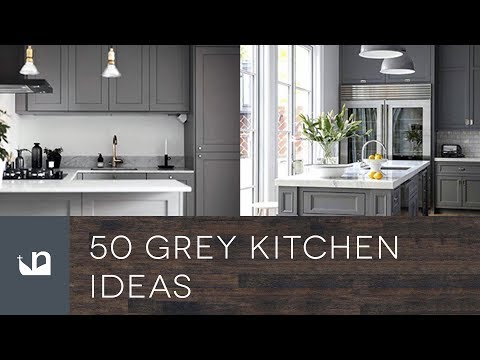
50 Grey Kitchen Ideas
Duration: 02:48. Views: 207.6K views
► Play

60 White Kitchen Ideas
Duration: 03:12. Views: 71.1K views
► Play
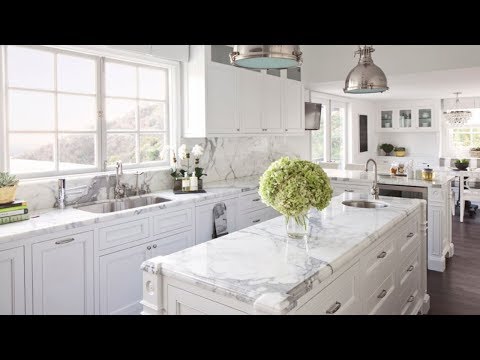
20+ White Kitchen Ideas
Duration: 05:50. Views: 356K views
► Play

Eco Friendly And Energy Efficient House School Diy Project
Duration: 08:32. Views: 28.6K views
► Play

Diy Frameless Kitchen Cabinets
Duration: 09:47. Views: 1.3M views
► Play

How To Design Your Commercial Kitchen
Duration: 01:39. Views: 272.5K views
► Play
That was the complete discussion and the Most Sought Videos that can present connected with eco-friendly kitchen design ideas. Don’t forget to share or bookmark this page for future reference.
Related Post to Eco-friendly Kitchen Design Ideas
Modular Kitchen Design Ideas
The modular kitchen represents a significant advancement in kitchen design, offering adaptability, efficiency, and aesthetic appeal. Unlike traditional built-in kitchens, modular kitchens are composed... Read More

Modular Kitchen Design Ideas
The modular kitchen represents a significant advancement in kitchen design, offering adaptability, efficiency, and aesthetic appeal. Unlike traditional built-in kitchens, modular kitchens are composed... Read More
Traditional Kitchen Design Ideas
**Keywords:** Traditional Kitchen Design, Classic Kitchens, Timeless Kitchen Design, Traditional Kitchen Cabinets, Traditional Kitchen Islands, Traditional Kitchen Backsplash, Traditional Kitchen Lighting, Traditional Kitchen Flooring,... Read More
Open Concept Kitchen Design Ideas
The open concept kitchen has revolutionized the modern home, transforming how spaces are used and experienced. It represents a departure from traditional, enclosed kitchen... Read More
Space-saving Kitchen Design Ideas
Space is often a premium in modern homes, particularly within the kitchen. Efficiently maximizing available area is crucial for creating a functional and aesthetically... Read More