Home Design Ideas, Tips and References website. Search anything about Home Design in this website.
Interior Home Design Ideas
Creating a home that reflects personal style while maintaining functionality is a rewarding endeavor. Interior home design encompasses a multitude of elements, from selecting the right color palettes to arranging furniture for optimal flow and comfort. The following explores various aspects of interior design, offering practical ideas and inspiration to transform living spaces.
Understanding Interior Home Design Principles
Interior design is more than just aesthetics; it is about creating a harmonious and functional environment. Key principles guide the design process, ensuring a cohesive and balanced outcome. These principles include balance, harmony, proportion, rhythm, emphasis, and unity.
Balance refers to the visual equilibrium of a space, achieved through symmetrical, asymmetrical, or radial arrangements. Harmony is the pleasing arrangement of parts, creating a sense of unity and coherence. Proportion involves the relationship between the sizes of different elements, while rhythm is the visual flow or pattern created through repetition or contrast. Emphasis refers to the focal point of a room, drawing the eye and creating interest. Unity is the overall sense of coherence and completeness, tying all the elements together.
The Importance of Space Planning
Effective space planning is the foundation of good interior design. It involves determining the optimal layout of furniture and fixtures to maximize functionality and flow. Considerations include traffic patterns, room dimensions, and the intended use of the space. Before making any purchases, it is crucial to measure the room and create a floor plan.
Software tools can assist in visualizing different layouts and ensuring that furniture fits comfortably within the space. This planning process helps avoid costly mistakes and ensures that the final result is both aesthetically pleasing and practical. Consider how natural light enters the room and arrange furniture accordingly to maximize its benefits.
Exploring Different Interior Home Design Styles
A wide range of interior design styles caters to diverse tastes and preferences. From the simplicity of minimalist design to the opulence of luxury design, each style offers a unique aesthetic and set of characteristics. Understanding these styles can help individuals identify their preferences and create a cohesive look throughout their home.
Modern Home Design Ideas
Modern interior design emphasizes clean lines, simplicity, and functionality. It often incorporates natural materials such as wood, glass, and metal. Neutral color palettes are common, with pops of color used strategically to add visual interest. Furniture tends to be sleek and streamlined, with an emphasis on comfort and practicality. Visit Modern Home Design Ideas for more information.
Key elements of modern design include open floor plans, large windows, and a focus on natural light. Decluttering is essential, as the goal is to create a clean and uncluttered space. Accessories are kept to a minimum, with each item carefully chosen for its aesthetic and functional value.
Consider incorporating modern art and geometric patterns to add personality and visual interest. Minimalist furniture pieces, such as a sleek sofa or a simple coffee table, can contribute to the overall aesthetic. Don’t be afraid to experiment with different textures and materials to create a layered and inviting space. We offer a variety of modern furniture to complement your interior design; browse our collection here.
Rustic Home Design Ideas
Rustic interior design evokes a sense of warmth, comfort, and connection to nature. It often features natural materials such as wood, stone, and leather. Earthy color palettes are common, with warm tones and natural textures creating a cozy and inviting atmosphere.
Exposed beams, reclaimed wood furniture, and stone fireplaces are characteristic elements of rustic design. Textiles such as wool, linen, and burlap add texture and warmth. Accessories often include vintage items, handcrafted pieces, and natural elements such as plants and branches.
To incorporate rustic design into your home, consider adding a wooden dining table, a leather armchair, or a stone accent wall. Layering different textures and materials can create a sense of depth and visual interest. Don’t be afraid to mix and match different pieces to create a unique and personalized space. Explore our range of rustic decor accents here.
Color Palettes and Their Impact
Color plays a crucial role in interior design, influencing the mood and atmosphere of a space. Different colors evoke different emotions, and carefully selecting a color palette can transform the look and feel of a room. Neutral colors create a sense of calm and sophistication, while bold colors add energy and excitement.
When choosing a color palette, consider the size and lighting of the room, as well as your personal preferences. Light colors can make a small room feel larger and brighter, while dark colors can create a cozy and intimate atmosphere. Experiment with different color combinations to find what works best for your space.
Using Neutral Color Palettes
Neutral color palettes, such as white, beige, gray, and cream, are versatile and timeless. They provide a blank canvas that allows other elements of the room, such as furniture and accessories, to stand out. Neutral colors also create a sense of calm and serenity, making them ideal for bedrooms and living rooms.
To add interest to a neutral color palette, consider incorporating different textures and materials. For example, a white room can be enhanced with a textured rug, a velvet sofa, or a woven basket. Adding metallic accents, such as gold or silver, can also add a touch of glamour.
Incorporating Bold Color Accents
Bold color accents can add personality and energy to a room. Use them sparingly to create focal points and add visual interest. Consider using bold colors on accent walls, throw pillows, or artwork. Complementary colors, such as blue and orange, or yellow and purple, can create a striking contrast.
When using bold colors, it is important to balance them with neutral tones. This will prevent the room from feeling overwhelming and ensure that the colors complement each other. Consider using a color wheel to help you choose complementary colors and create a balanced color palette.
The Role of Lighting in Interior Home Design
Lighting is an essential element of interior design, affecting both the functionality and the ambiance of a space. Different types of lighting serve different purposes, and carefully planning the lighting scheme can transform the look and feel of a room. Natural light is always preferable, but artificial lighting can supplement it and create a desired mood.
There are three main types of lighting: ambient, task, and accent. Ambient lighting provides overall illumination, task lighting focuses on specific tasks, and accent lighting highlights particular features. Combining these types of lighting creates a layered and well-balanced lighting scheme.
Types of Lighting Fixtures
Various lighting fixtures are available, each offering different levels of brightness and aesthetics. Chandeliers create a focal point and add elegance, while pendant lights provide direct illumination over tables or islands. Recessed lighting offers subtle and even illumination, while wall sconces add a touch of style and provide ambient light.
Lamps are versatile and can be used to add both task and ambient lighting. Floor lamps provide general illumination, while table lamps are ideal for reading or working. When choosing lighting fixtures, consider the style of the room and the desired level of brightness. Our extensive lighting collection can illuminate every corner of your home; view them here.
Maximizing Natural Light
Natural light is a valuable asset in interior design, enhancing the mood and creating a sense of well-being. Maximize natural light by using sheer curtains, positioning mirrors to reflect light, and keeping windows clean. Avoid blocking windows with furniture or decorations.
Consider adding skylights or larger windows to increase the amount of natural light in a room. Light-colored walls and ceilings can also help reflect light and brighten the space. Incorporate plants to further enhance the connection to nature and purify the air.
Furniture Selection and Arrangement
Furniture is a key component of interior design, providing both functionality and aesthetic appeal. Carefully selecting furniture that complements the style of the room and arranging it for optimal flow and comfort is essential. Consider the size of the room and the intended use of the space when choosing furniture.
When arranging furniture, create a focal point and arrange pieces around it. Leave enough space for comfortable movement and avoid overcrowding the room. Use rugs to define different areas and anchor furniture groupings. For those working with limited square footage, Small Space Home Design Ideas can offer helpful guidance.
Choosing the Right Furniture Pieces
Selecting the right furniture pieces involves considering factors such as style, size, and material. Choose furniture that complements the overall design style of the room and fits comfortably within the space. Consider the durability and maintenance requirements of different materials, such as wood, leather, and fabric.
Invest in high-quality furniture that will last for years to come. Choose pieces that are both functional and aesthetically pleasing, and that reflect your personal style. Don’t be afraid to mix and match different styles and textures to create a unique and personalized space.
Optimizing Furniture Layout
Optimizing the furniture layout involves arranging pieces in a way that maximizes functionality and flow. Create a focal point and arrange furniture around it to create a cohesive and balanced space. Leave enough space for comfortable movement and avoid blocking doorways or windows.
Consider using the principles of balance and proportion to create a visually pleasing arrangement. Use rugs to define different areas and anchor furniture groupings. Experiment with different layouts to find what works best for your space and lifestyle. For additional inspiration, browse through our Articles section for more tips and tricks.
Adding Personal Touches Through Accessories
Accessories are the finishing touches that add personality and character to a room. They include items such as artwork, throw pillows, rugs, curtains, and decorative objects. Carefully selecting accessories that complement the style of the room and reflect your personal taste is essential.
When choosing accessories, consider the color palette, textures, and patterns of the room. Use accessories to add pops of color, texture, and visual interest. Don’t be afraid to mix and match different styles and materials to create a unique and personalized space.
Selecting the Right Decorative Objects
Choosing the right decorative objects involves considering factors such as style, size, and material. Choose objects that complement the overall design style of the room and reflect your personal taste. Consider the size and scale of the objects in relation to the furniture and the room.
Arrange decorative objects in groupings to create visual interest. Use a variety of heights, shapes, and textures to create a dynamic and balanced display. Don’t be afraid to experiment with different arrangements until you find what works best for your space. We offer a curated selection of decorative items to enhance your interior spaces; explore them here.
Incorporating Art and Wall Decor
Art and wall decor are essential elements of interior design, adding personality and visual interest to a room. Choose artwork that reflects your personal taste and complements the style of the room. Consider the size and scale of the artwork in relation to the wall and the furniture.
Hang artwork at eye level and use appropriate lighting to highlight its features. Consider using a variety of framing styles and matting options to enhance the artwork. Don’t be afraid to mix and match different styles and mediums to create a unique and personalized display.
Related Pictures about interior home design ideas


Related Videos about interior home design ideas
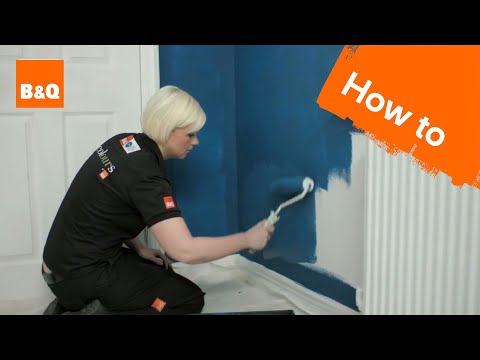
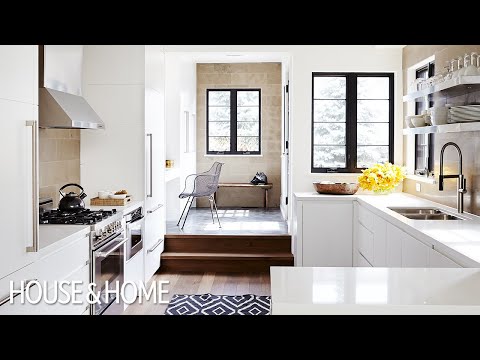
On this website you can also find videos about interior home design ideas, which might be a solution for you. Interior Design Ideas | Whole House Makeover is the first video that we recommend, then there are Living Room Layout Ideas | Interior Design and How To Paint A Room, please see and watch below :



Duration: 12:23. Views: 12.8M views

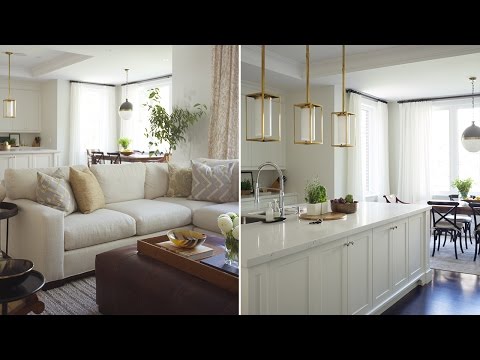
Duration: 03:13. Views: 367.5K views
Duration: 04:14. Views: 999.7K views
Thus the complete discussion about interior home design ideas that we can present. Don’t forget to share or bookmark this page for future reference. The solutips.biz.id website is a portal to find various information and tips for free. Simply type in the search keyword (like interior home design ideas ), then the results that match your keyword will be displayed. Either in the form of articles or videos. Fast and Simple.
Related Post to Interior Home Design Ideas
9 Industrial Home Design Ideas With A Chic Urban Touch
Industrial home design, with its raw aesthetic and urban influences, has surged in popularity. This article explores nine distinct industrial home design ideas, each... Read More
12 Inspiring Home Design Ideas For First Time Homeowners
Embarking on the journey of homeownership is a significant milestone. The desire to personalize and transform a new house into a welcoming home is... Read More
10 Creative Home Design Ideas To Transform Your Space
Transforming a living space can be an exciting endeavor. Home design is not merely about aesthetics; it is about creating an environment that reflects... Read More
14 Elegant Minimal Home Design Ideas For Urban Living
Urban living presents unique challenges and opportunities when it comes to home design. The desire for tranquility and order amidst the hustle and bustle... Read More
10 Serene Home Design Ideas For Mindful Living
Keywords: Serene Home Design, Mindful Living, Interior Design, Home Decor, Relaxation, Tranquility, Wellness, Natural Light, Calming Colors, Minimalist Design.... Read More