Embracing Simplicity: Minimalist Kitchen Design Ideas
The minimalist design philosophy, with its emphasis on functionality, clean lines, and the absence of clutter, is gaining immense popularity in home design. The kitchen, often considered the heart of the home, is a space where minimalism can truly shine. A minimalist kitchen design promotes a sense of calm and order, making meal preparation and gathering more enjoyable.
This design approach is not simply about removing items; it is about curating a space that contains only what is essential and beautiful. It’s about creating a functional and aesthetically pleasing environment where everything has its place and purpose. This article explores various minimalist kitchen design ideas, offering practical tips and inspiration for creating a serene and efficient culinary space.
Understanding Minimalist Kitchen Design
Minimalist kitchen design revolves around several core principles. First, functionality is paramount. Every element in the kitchen should serve a clear purpose, eliminating unnecessary items that contribute to clutter. Second, clean lines and simple forms are essential. The design emphasizes geometric shapes, flat surfaces, and an absence of ornamentation. Third, a neutral color palette is often favored, creating a calming and cohesive aesthetic. Fourth, ample storage is crucial to keep countertops and surfaces clear.
Ultimately, the goal of minimalist kitchen design is to create a space that is both visually appealing and highly functional. This means carefully considering every detail, from the layout and materials to the appliances and accessories. When executed effectively, a minimalist kitchen can transform the heart of a home into a haven of peace and efficiency.
Key Elements of a Minimalist Kitchen
Several key elements define a minimalist kitchen. Streamlined cabinetry, often handle-less or featuring integrated pulls, is a defining characteristic. These cabinets provide ample storage while maintaining a clean, uncluttered look. Durable, easy-to-clean countertops, such as quartz or solid surface materials, are also essential. They provide a smooth, uninterrupted surface for food preparation.
Minimalist kitchens also prioritize natural light and ventilation. Large windows and skylights maximize natural light, reducing the need for artificial lighting. Adequate ventilation helps to keep the kitchen fresh and free of cooking odors. Thoughtful lighting design, with a focus on task lighting and ambient lighting, further enhances the functionality and aesthetics of the space. Considering Modern Kitchen Design Ideas can provide further inspiration for incorporating contemporary elements into a minimalist space.
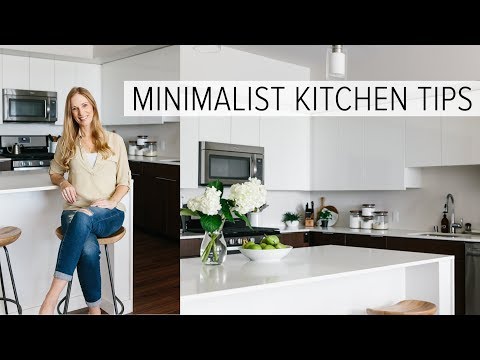
Finally, accessories and decorative items are kept to a minimum. A few carefully chosen pieces, such as a vase of flowers or a collection of cookbooks, can add personality without disrupting the overall sense of calm. Appliances are often integrated into the cabinetry or chosen for their sleek, minimalist designs.
Color Palettes for Minimalist Kitchens
Color plays a vital role in creating a minimalist aesthetic. Neutral color palettes, such as white, gray, beige, and black, are commonly used to create a sense of calm and spaciousness. These colors provide a blank canvas that allows the clean lines and simple forms of the kitchen to stand out.
Monochromatic schemes, using variations of a single color, can also be effective in creating a cohesive and sophisticated look. Accents of wood or metal can add warmth and visual interest without disrupting the overall minimalist aesthetic. The judicious use of color can enhance the feeling of serenity and spaciousness that is characteristic of minimalist design.
Using White in Minimalist Kitchens
White is a classic choice for minimalist kitchens, as it reflects light and creates a sense of spaciousness. White cabinets, countertops, and walls can make a small kitchen feel larger and brighter. However, it is important to incorporate texture and variations in white to prevent the space from feeling sterile or bland.
Different shades of white, such as off-white, cream, and ivory, can be used to add depth and dimension. Textural elements, such as a subway tile backsplash or a wood countertop, can also break up the monotony of an all-white kitchen. The key is to use white strategically to create a bright, clean, and inviting space.
Embracing Gray Tones in Minimalist Kitchens
Gray is another popular color choice for minimalist kitchens, offering a sophisticated and versatile alternative to white. Gray cabinets, countertops, and walls can create a calming and elegant atmosphere. Light gray tones can create a sense of spaciousness, while darker gray tones can add depth and drama.
Gray pairs well with a variety of other colors and materials, such as wood, metal, and concrete. Using a combination of different gray tones and textures can create a visually interesting and dynamic space. A gray kitchen can be a stylish and practical choice for those seeking a minimalist aesthetic.
Storage Solutions for Minimalist Kitchens
Effective storage is essential in a minimalist kitchen. The goal is to keep countertops and surfaces clear of clutter, creating a clean and organized space. This requires careful planning and the incorporation of clever storage solutions.
From custom cabinetry and pull-out shelves to pantry organizers and vertical storage, there are numerous ways to maximize storage space in a minimalist kitchen. The key is to think strategically about how to store items efficiently and effectively.
Optimizing Cabinet Space
Cabinets are the primary storage component in most kitchens, so optimizing cabinet space is crucial in a minimalist design. Incorporating pull-out shelves, drawer dividers, and vertical organizers can maximize the storage capacity of cabinets. These features make it easier to access items and keep them neatly organized.
Consider using tall, narrow cabinets to store baking sheets, cutting boards, and other large items. Installing a spice rack on the inside of a cabinet door can also save space. Maximizing the functionality of cabinet space is essential for maintaining a clutter-free minimalist kitchen. Further inspiration can be found by exploring Simple Kitchen Design Ideas.
Pantry Organization Techniques
A well-organized pantry is essential for a minimalist kitchen. Using clear containers to store food items can make it easier to see what is on hand and prevent food waste. Labeling containers and shelves can further enhance organization.
Installing pull-out shelves or drawers in the pantry can improve accessibility. Using vertical organizers, such as can racks and spice racks, can maximize space. A well-organized pantry not only enhances the functionality of the kitchen but also contributes to the overall minimalist aesthetic.
Material Choices for Minimalist Kitchens
The choice of materials is crucial in creating a minimalist kitchen. Materials should be durable, easy to clean, and aesthetically pleasing. Common materials used in minimalist kitchens include quartz, stainless steel, glass, and wood.
The key is to select materials that complement the overall design aesthetic and contribute to the sense of calm and simplicity. The materials should be chosen with careful consideration, as they can greatly impact the overall look and feel of the space.
Countertop Materials: Quartz and Solid Surface
Quartz and solid surface materials are popular choices for countertops in minimalist kitchens. Quartz is a durable, non-porous material that is resistant to stains, scratches, and heat. It is available in a wide range of colors and patterns, making it a versatile choice for any design aesthetic.
Solid surface materials are also durable and easy to maintain. They are seamless and non-porous, making them resistant to bacteria and mold. Solid surface materials can be molded into various shapes and sizes, making them a great option for creating custom countertops. Both quartz and solid surface countertops contribute to the clean, streamlined look of a minimalist kitchen.
Incorporating Wood Accents
Wood can add warmth and texture to a minimalist kitchen without disrupting the overall aesthetic. Using wood for countertops, cabinets, or flooring can create a natural and inviting atmosphere. Light-colored woods, such as maple and birch, are often used in minimalist designs.
Wood accents can also be used sparingly to add visual interest. For example, a wood countertop island or a wood backsplash can create a focal point in the kitchen. The key is to use wood judiciously to complement the overall minimalist design.
Lighting Design in Minimalist Kitchens
Lighting plays a critical role in creating a functional and aesthetically pleasing minimalist kitchen. Natural light is prioritized, with large windows and skylights used to maximize daylight. Artificial lighting is used to supplement natural light and provide task lighting for food preparation.
The lighting design should be simple and unobtrusive, with a focus on functionality. Recessed lighting, pendant lights, and under-cabinet lighting are commonly used in minimalist kitchens. The goal is to create a well-lit space that is both functional and visually appealing. You might even consider exploring Small Kitchen Design Ideas to learn how to maximize lighting in a compact space.
The Importance of Natural Light
Natural light is essential in a minimalist kitchen, as it creates a sense of spaciousness and brightness. Large windows and skylights can maximize natural light, reducing the need for artificial lighting. Natural light also enhances the colors and textures of the materials used in the kitchen.
When designing a minimalist kitchen, it is important to consider the orientation of the kitchen and the amount of natural light it receives. Positioning the kitchen near a window or skylight can significantly improve the lighting quality. Utilizing sheer curtains or blinds can help to control the amount of natural light entering the space.
Strategic Use of Artificial Lighting
Artificial lighting is used to supplement natural light and provide task lighting for food preparation. Recessed lighting is a popular choice for minimalist kitchens, as it provides a clean and unobtrusive source of light. Pendant lights can be used to add visual interest and provide task lighting over islands or countertops.
Under-cabinet lighting is essential for illuminating countertops and work surfaces. Dimmable lights allow for adjusting the brightness and creating a different atmosphere based on the need. By using artificial lighting strategically, the overall functionality and aesthetics of the space is improved.
Appliances in Minimalist Kitchens
Appliances in minimalist kitchens are often integrated into the cabinetry to create a seamless and uncluttered look. Stainless steel appliances are a popular choice, as they are durable, easy to clean, and aesthetically pleasing. Panel-ready appliances, which can be customized to match the cabinetry, are also commonly used.
The key is to select appliances that are both functional and visually appealing, contributing to the overall minimalist design. Appliances should be chosen with careful consideration, as they can have a significant impact on the aesthetics of the space.
Integrated Appliances for a Seamless Look
Integrating appliances into the cabinetry creates a seamless and uncluttered look. Panel-ready appliances can be customized to match the cabinetry, creating a cohesive and harmonious design. This approach minimizes visual clutter and maximizes the sense of space.
Integrated refrigerators, dishwashers, and ovens can be seamlessly incorporated into the kitchen design. This creates a streamlined and sophisticated look that is characteristic of minimalist kitchens. The seamless integration provides a clean, modern aesthetic.
Choosing Stainless Steel Appliances
Stainless steel appliances are a popular choice for minimalist kitchens, as they are durable, easy to clean, and aesthetically pleasing. Stainless steel provides a sleek and modern look that complements the clean lines and simple forms of minimalist design. It is a timeless and versatile option.
Stainless steel appliances are also resistant to stains and fingerprints, making them a practical choice for busy kitchens. When selecting stainless steel appliances, it is important to consider the finish and style to ensure that they complement the overall design aesthetic.
Accessorizing a Minimalist Kitchen
Accessorizing a minimalist kitchen requires a delicate balance. The goal is to add personality and warmth without creating clutter. A few carefully chosen accessories, such as a vase of flowers, a collection of cookbooks, or a piece of artwork, can add visual interest without disrupting the overall minimalist aesthetic.
The key is to select accessories that are both functional and aesthetically pleasing. Decorative items should be kept to a minimum, and everything should have a purpose. By carefully curating the accessories, a homeowner can add personality and warmth to a minimalist kitchen without sacrificing the sense of calm and simplicity.
Minimalist Décor Ideas
Minimalist décor ideas focus on simplicity and functionality. A vase of fresh flowers can add a touch of nature and color to the kitchen. A collection of cookbooks can be displayed on a shelf, adding visual interest and personality. A single piece of artwork can serve as a focal point.
The key is to select décor items that are meaningful and visually appealing without overwhelming the space. Decorative items should be kept to a minimum, and everything should have a purpose. The space will have a well-curated and clutter-free design by following these guidelines.
The Importance of Functionality
In a minimalist kitchen, every item should serve a purpose. Utensils, cookware, and dishes should be chosen for their functionality and durability. Decorative items should also be functional, such as a vase that can be used to hold flowers or a cutting board that can be used for food preparation.
By prioritizing functionality, the homeowner can ensure that every item in the kitchen is contributing to the overall efficiency and organization of the space. The minimalist kitchen design provides a harmonious and efficient culinary space.



![a-kitchen-layout-design-guide-[where-to-start]](https://i.ytimg.com/vi/PP1_Mp1j-iQ/hqdefault.jpg "Minimalist Kitchen Design Ideas")