Home Design Ideas, Tips and References website. Search anything about Home Design in this website.
Permaculture Garden Landscaping Design
Permaculture garden landscaping represents a holistic approach to designing and maintaining a garden ecosystem. It goes beyond traditional gardening by emphasizing the interconnectedness of elements within the garden, aiming for self-sufficiency and sustainability. The core of permaculture lies in observing natural patterns and mimicking them to create resilient and productive systems.
This design philosophy views the garden as a living organism, where each component, from the soil microorganisms to the plants and animals, plays a crucial role. Integrating elements like water harvesting, soil building, and companion planting becomes integral to the design process. By carefully considering the relationships between these elements, a permaculture garden minimizes external inputs, such as fertilizers and pesticides, while maximizing yields and ecological benefits.
Understanding Permaculture Garden Landscaping Design
Permaculture garden landscaping design is not merely about aesthetics; it’s about creating a functional and sustainable ecosystem. It involves a thorough understanding of the site’s unique characteristics, including its climate, soil type, topography, and existing vegetation. This knowledge informs the placement of elements within the garden, ensuring they work in harmony and support each other.
The design process starts with observation. Spending time on the site, noticing how the sun moves across the land, where water naturally flows, and which areas are more sheltered from wind is critical. This observation period informs the design’s foundation, ensuring that the garden leverages the site’s existing resources and mitigates any challenges.
Key Principles of Permaculture Landscaping
Permaculture landscaping adheres to a set of core principles that guide the design and management of the garden. These principles are applicable to gardens of all sizes, from small urban plots to expansive rural properties.
One fundamental principle is “Observe and Interact.” This emphasizes the importance of deeply understanding the site before making any changes. Another key principle is “Catch and Store Energy,” which focuses on capturing and utilizing resources like rainwater and sunlight. “Obtain a Yield” acknowledges the need for the garden to provide food, resources, and other benefits.
Further guiding principles include “Apply Self-Regulation and Accept Feedback,” which encourages monitoring the garden’s performance and adjusting practices as needed. “Use and Value Renewables,” promoting reliance on natural and renewable resources. “Produce No Waste,” aiming to minimize waste through composting, recycling, and other sustainable practices.
Finally, “Design from Patterns to Details,” which suggests understanding the larger landscape patterns before focusing on individual elements. “Integrate Rather Than Segregate” emphasizes creating beneficial relationships between different parts of the system. “Use Small and Slow Solutions,” recognizing that incremental changes can be more sustainable and effective. “Use and Value Diversity,” promoting a wide range of plants and animals to enhance resilience and stability. “Use Edges and Value the Marginal” recognizing that edges and transition zones are often the most productive and diverse areas.
Designing a Permaculture Garden: Practical Steps
Designing a permaculture garden involves a series of practical steps, starting with site assessment and culminating in implementation and ongoing management. Each step builds upon the previous one, ensuring that the final design is well-suited to the site and the gardener’s goals.
Begin with a thorough site assessment. Examine the soil type, drainage patterns, sunlight exposure, wind patterns, and existing vegetation. Create a base map of the property, noting these features. Next, define your goals for the garden. What types of food do you want to grow? What other functions should the garden serve, such as providing habitat for wildlife or creating a relaxing outdoor space? Eco Friendly Garden Design Ideas for Sustainable Living can help in creating a list of goals for the garden.
Based on the site assessment and goals, develop a conceptual design. This involves mapping out the different zones within the garden and determining the placement of key elements, such as garden beds, pathways, water features, and structures. Consider the principles of permaculture, such as maximizing sunlight exposure, capturing rainwater, and creating beneficial relationships between plants.
Finally, implement the design and actively manage the garden. This includes preparing the soil, planting seeds and seedlings, installing water harvesting systems, and implementing pest and disease control measures. Regularly observe the garden and adjust practices as needed. With proper care and attention, a permaculture garden will become a thriving and self-sustaining ecosystem.
Zone Planning in Permaculture
Zone planning is a core concept in permaculture garden landscaping design, organizing the garden into zones based on frequency of use and management intensity. The zones are arranged in concentric circles or semi-circles around a central point, typically the home.
Zone 0 represents the home itself, while Zone 1 is the area closest to the house, requiring the most frequent attention. This zone is ideal for herbs, vegetables, and other plants that need daily care. Zone 2 is used for slightly less intensive activities such as raising chickens or bees, or planting perennial fruits and vegetables, which need less attention. Zone 3 is for agriculture and longer-term crops. Zone 4 is partially wild land, and Zone 5 is completely unmanaged wilderness.
Understanding the zones is beneficial for gardeners who want to prioritize their time and resources, focusing on the areas that require the most attention while allowing other areas to function more naturally. Zone planning optimizes workflow, reduces wasted effort, and promotes a more efficient and productive garden.
Water Management Techniques
Effective water management is essential for permaculture garden landscaping design. Water is a precious resource, and permaculture emphasizes capturing, storing, and utilizing water efficiently.
Rainwater harvesting is a key technique. This involves collecting rainwater from roofs, driveways, and other surfaces and storing it in tanks, ponds, or other containers for later use. Swales, shallow ditches that follow the contour of the land, are another valuable tool. Swales capture rainwater runoff and allow it to slowly infiltrate the soil, replenishing groundwater and reducing erosion. Backyard Garden Design Ideas for Outdoor Living could be greatly enhanced with a rainwater harvesting system.
Mulching is a simple but effective way to conserve soil moisture. Applying a layer of organic mulch around plants helps to reduce evaporation, suppress weeds, and improve soil health. Drip irrigation delivers water directly to the roots of plants, minimizing water waste. By implementing these water management techniques, a permaculture garden can become more resilient to drought and other water-related challenges.
Plant Selection for Permaculture Gardens
Plant selection is a critical aspect of permaculture garden landscaping design. Choosing the right plants can enhance the garden’s productivity, resilience, and ecological benefits.
Perennial plants, which live for multiple years, are often favored in permaculture gardens. They require less maintenance than annuals and can provide a continuous supply of food, medicine, and other resources. Nitrogen-fixing plants, such as legumes, can improve soil fertility by converting atmospheric nitrogen into a form that plants can use.
Companion planting involves selecting plants that benefit each other when grown together. For example, planting basil near tomatoes can deter pests, while planting beans near corn can provide nitrogen to the soil. Selecting a diverse range of plants is essential for creating a resilient and stable ecosystem. A diverse garden is less susceptible to pests, diseases, and other environmental stressors.
Choosing Native Plants
Selecting native plants is a valuable element in permaculture design. Native plants are naturally adapted to the local climate, soil, and other environmental conditions, requiring less water, fertilizer, and pest control than non-native species.
Using native plants creates food and habitat for native wildlife, supporting local biodiversity. Native plants are part of the local ecosystem, fostering the balance of all elements within the ecosystem. In addition, native plants offer the garden a sense of place, connecting it to the surrounding landscape.
Selecting native plants for permaculture landscaping supports the local ecosystem while creating a sustainable garden design.
Edible Landscaping
Edible landscaping integrates food-producing plants into ornamental landscapes. This approach combines the beauty of traditional landscaping with the practicality of food production.
This landscaping technique involves incorporating fruit trees, berry bushes, and vegetable gardens into front yards, backyards, and other outdoor spaces. Edible landscaping provides fresh, healthy food while enhancing the beauty and functionality of the landscape. Garden Design Ideas for Small Gardens can be useful in urban settings to make use of edible landscaping in a limited area.
Integrating a permaculture design allows edible landscaping to take full advantage of the companion planting benefits for a productive and beautiful edible garden design.
Building Healthy Soil in Permaculture Gardens
Healthy soil is the foundation of a thriving permaculture garden. Permaculture emphasizes building and maintaining healthy soil through natural methods, avoiding the use of synthetic fertilizers and pesticides.
Composting is a key technique for improving soil health. Composting involves decomposing organic matter, such as kitchen scraps, yard waste, and animal manure, into a nutrient-rich soil amendment. Cover cropping is another valuable tool. Planting cover crops, such as clover, rye, or buckwheat, helps to improve soil structure, suppress weeds, and add nutrients to the soil.
Mulching helps to retain moisture and suppress weeds and provides nutrients to the soil as the organic matter decomposes. By implementing these soil-building techniques, a permaculture garden can create a healthy and fertile growing environment.
Composting Techniques
Effective composting is a key technique for soil improvement. The correct balance of green and brown organic material is required for composting success, and there are techniques for both small and large gardens.
For smaller gardens, a simple compost bin is a good solution. For larger gardens, a three bin system is often employed. One bin contains new material, one contains material that is partially composted, and the third contains finished compost.
Vermicomposting, using worms to help decompose organic matter, is a great technique for indoor use, or for those without a backyard.
No-Dig Gardening
No-dig gardening is a soil preparation method that avoids tilling or digging the soil. Instead, layers of organic matter, such as cardboard, compost, and mulch, are added to the soil surface.
By minimizing soil disturbance, this method preserves the soil structure, protects beneficial microorganisms, and reduces weed germination. No-dig gardening also conserves soil moisture and minimizes erosion. It is a sustainable and effective way to prepare soil for planting in a permaculture garden.
The no-dig method mimics nature, where falling leaves and other organic debris are deposited on the soil surface to decompose. This is a low-impact method that helps to create a healthy and thriving soil ecosystem.
Pest and Disease Management in Permaculture
Pest and disease management in permaculture gardens focuses on preventative measures and natural controls, avoiding the use of synthetic pesticides and herbicides.
Companion planting is a valuable tool for deterring pests and attracting beneficial insects. For example, planting marigolds near vegetables can repel nematodes, while planting dill near cabbage can attract beneficial wasps that prey on cabbage worms. Crop rotation, which involves rotating crops in different locations each year, can help to prevent the buildup of soilborne pests and diseases.
Encouraging beneficial insects, such as ladybugs, lacewings, and parasitic wasps, can help to control pest populations. Providing habitat for these beneficial insects, such as planting flowering plants that provide nectar and pollen, can attract them to the garden. By implementing these natural pest and disease management techniques, a permaculture garden can maintain a healthy and balanced ecosystem.
Attracting Beneficial Insects
In permaculture garden landscaping design, attracting beneficial insects is a primary method of pest control. Beneficial insects help to create a balanced and thriving ecosystem by preying on harmful pests and contributing to pollination.
Providing habitat for beneficial insects is key to attracting them to the garden. This includes planting a diversity of flowering plants that provide nectar and pollen, such as sunflowers, coneflowers, and asters. Providing water sources, such as bird baths or shallow dishes of water, can also attract beneficial insects.
Creating a diverse and complex ecosystem provides a natural home for beneficial insects that keeps harmful insects in check. By actively attracting beneficial insects, a permaculture garden can reduce the need for chemical pesticides and create a healthier environment for plants and people.
Collection of the Most Popular Videos about permaculture garden landscaping design
Growing Food in the Desert: A Backyard Garden by Earth Care Design
Permaculture Principles in a Polyculture Orchard
Building YOUR Permaculture Orchard
Collection of the Most Sought Videos Relating to Growing Food in the Desert: A Backyard Garden by Earth Care Design

Hugely Abundant 1 Acre Permaculture Homestead Tour – Limestone Permaculture Farm Revisit
Duration: 17:38. Views: 2.2M views
► Play
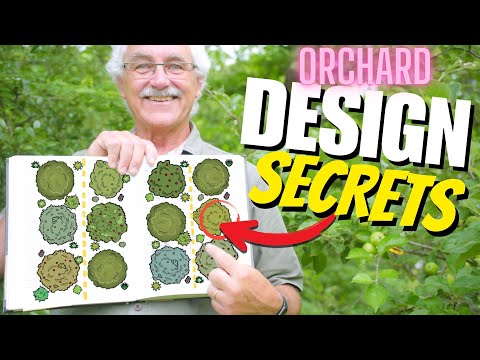
Ultimate Guide To Designing Your Permaculture Orchard
Duration: . Views: 108.5K views
► Play

Got Some Land, Now What? 5 First Steps When Starting A Permaculture Garden Or Farm
Duration: 11:49. Views: 85.2K views
► Play

Permaculture Principles: Creating Sustainable And Productive Gardens!
Duration: 09:46. Views: 113 views
► Play

The Forested Garden: What Is A Food Forest?
Duration: 13:11. Views: 988.5K views
► Play

Integrated System Design
Duration: 03:17. Views: 48.4K views
► Play

Practical Landscape Design Ideas (philippines)
Duration: 06:04. Views: 224.9K views
► Play

Landscape Design Site Planning Part 1
Duration: 04:15. Views: 467.7K views
► Play
Thats the complete discussion and the Most Sought Videos that can display connected with permaculture garden landscaping design. Don’t forget to share or bookmark this page for future reference.
Related Post to Permaculture Garden Landscaping Design
10 Front Yard Landscaping Ideas With Flowers For Instant Curb Appeal
A well-maintained and aesthetically pleasing front yard significantly enhances a property’s curb appeal. Incorporating flowers into front yard landscaping is a simple yet effective... Read More
12 Small Garden Landscaping Design Tips To Maximize Space
Transforming a small garden into a captivating and functional space requires careful planning and creative implementation. Limited square footage necessitates innovative strategies to maximize... Read More
12 Minimalist Landscaping Ideas With Stones For A Clean Modern Look
Achieving a clean, modern aesthetic in outdoor spaces is increasingly popular. Minimalist landscaping, characterized by simplicity and functionality, offers a serene and uncluttered environment.... Read More
15 Flower Bed Garden Design Ideas For Colorful Yards
Transforming a yard into a vibrant, colorful oasis begins with thoughtfully designed flower beds. The strategic use of color, texture, and plant selection can... Read More
12 Container Flower Garden Design Ideas For Balconies
Container Flower Garden Design Ideas for Balconies Balconies present unique opportunities for gardening, especially for individuals residing in apartments or urban dwellings with limited... Read More