Home Design Ideas, Tips and References website. Search anything about Home Design in this website.
10 Interior Furniture Layout Ideas For Perfect Flow
Interior Furniture Layout: Achieving Perfect Flow in Your Home
Effective interior furniture layout is crucial for creating a comfortable and functional living space. A well-planned layout not only enhances the aesthetic appeal of a home but also optimizes its flow and usability. Thoughtful arrangement of furniture can significantly impact how a space is perceived and utilized. The purpose of well-thought-out interior layout is to make the house more livable and provide a better experience for its occupants.
The key to a successful interior furniture layout lies in understanding the principles of design, such as balance, proportion, and focal points. Taking into account the room’s dimensions, natural light sources, and traffic patterns is essential. It is crucial to consider how various elements can be unified to give a space a cohesive and ordered look. By considering these factors, it becomes possible to create a harmonious and inviting atmosphere.
Understanding the Principles of Furniture Placement
Before diving into specific layout ideas, it’s important to grasp fundamental furniture placement principles. These guidelines serve as a foundation for creating a balanced and functional space. Failing to understand these principles can result in a room that feels cramped, disjointed, or simply uncomfortable.
Balance is a primary consideration, whether symmetrical or asymmetrical. Symmetrical balance involves mirroring furniture arrangements on either side of a central point, creating a formal and structured feel. Asymmetrical balance, on the other hand, achieves equilibrium through different but equally weighted elements, resulting in a more dynamic and informal atmosphere. Another principle is proportion, which is related to how furniture size relates to a room size, to avoid dwarfing the space.
10 Interior Furniture Layout Ideas for Perfect Flow
Idea 1: The Anchored Living Room
Anchor the living room with a focal point, such as a fireplace, a large window, or a statement piece of artwork. Arrange seating around this focal point to create a natural gathering area. This approach provides a sense of order and purpose to the space, guiding the eye and encouraging social interaction.
Position the sofa opposite the focal point, and flank it with armchairs or accent chairs. A coffee table should be placed within easy reach of all seating, providing a convenient surface for drinks, books, and decorative items. This arrangement maximizes both comfort and visual appeal, establishing a welcoming and inviting atmosphere.
Idea 2: Zoning a Large Space
In large, open-concept spaces, delineate distinct zones for different activities, such as lounging, dining, and working. Using area rugs, furniture placement, or even changes in flooring can effectively define these zones without the need for walls. This approach creates a sense of order and organization within a potentially overwhelming space.
For example, an area rug can define a living room area, while a dining table and chairs can establish a distinct dining zone. A bookshelf or screen can separate a workspace from the rest of the room, providing privacy and focus. Zoning a large space enhances both its functionality and aesthetic appeal, making it more comfortable and livable. Small Space Home Design Ideas can be applied to make the space useful.
Idea 3: The Conversation Pit
Create a conversation pit by arranging seating in a circular or semi-circular formation, encouraging face-to-face interaction. This layout is ideal for fostering a sense of intimacy and connection in a living room or family room. The absence of a television as the primary focal point promotes conversation and engagement.
A central coffee table or ottoman serves as a gathering point, providing a surface for drinks, snacks, and games. This arrangement is particularly well-suited for homes that prioritize social interaction and quality time spent together. This promotes intimate conversation and connection in a space, and is more suitable for those who prefer socializing more than watching television.
Idea 4: Maximizing Natural Light
Arrange furniture to take full advantage of natural light sources. Avoid placing large pieces of furniture directly in front of windows, which can block light and make the room feel darker. Instead, position seating to capture the sunlight, creating a bright and airy atmosphere.
Mirrors can also be used to reflect and amplify natural light, making a room feel larger and more open. Consider placing a mirror opposite a window to maximize its effect. This approach is particularly beneficial in smaller spaces or rooms with limited natural light.
Idea 5: The Gallery Approach
If the room has a hallway, a gallery approach can be used by placing furniture along the walls. This opens up the central space for easier traffic flow and allows for showcasing artwork or other decorative items. This layout is particularly well-suited for narrow rooms or hallways.
Floating shelves or narrow consoles can be used to display art and objects without taking up too much floor space. Ensure that there is enough space for people to walk comfortably without bumping into furniture. This approach combines functionality with aesthetic appeal, creating a visually interesting and inviting space.
Idea 6: The Dining Room Focus
In a dining room, focus on the table as the central element. Ensure that there is ample space around the table for chairs to be pulled out and for people to move around comfortably. The table size should be proportionate to the size of the room, and the chairs should be comfortable and inviting.
A sideboard or buffet can be placed against a wall to provide storage for dishes, linens, and serving pieces. A chandelier or pendant light can be hung above the table to create a focal point and add ambiance. This arrangement creates a functional and elegant dining space that is perfect for entertaining.
Idea 7: Bedroom Sanctuary
In a bedroom, position the bed as the focal point, ideally against the longest wall. Nightstands should be placed on either side of the bed, providing a surface for lamps, books, and personal items. The goal is to create a relaxing and comfortable sanctuary for sleep and relaxation.
A dresser or chest of drawers can be placed against another wall for storage. Avoid cluttering the room with unnecessary furniture, and opt for a minimalist approach to create a sense of calm and tranquility. This arrangement maximizes both functionality and aesthetic appeal, promoting restful sleep and relaxation. If you have no idea how to decorate your bedroom, Interior Home Design Ideas might help.
Idea 8: Office Efficiency
In a home office, prioritize functionality and efficiency. Position the desk near a window for natural light, and ensure that there is ample storage for files, books, and office supplies. The layout should promote focus and productivity, minimizing distractions.
An ergonomic chair is essential for comfort and support. Consider adding a bookshelf or filing cabinet to keep the space organized. This arrangement creates a functional and productive workspace that is conducive to concentration and efficiency.
Idea 9: Kitchen Triangle Optimization
In a kitchen, optimize the placement of the sink, refrigerator, and stove to create an efficient work triangle. This classic design principle minimizes steps and makes cooking more convenient. The distances between these three points should be relatively short and unobstructed.
The work triangle should be designed to avoid traffic flow through the cooking area. This arrangement maximizes efficiency and safety, making the kitchen a more enjoyable and functional space. Kitchens are often the center of activity in a house, so it is important to arrange it well.
Idea 10: Flexible Furniture Arrangement
Select furniture that is versatile and easy to move around, allowing for flexible arrangements. Modular sofas, nesting tables, and lightweight chairs can be easily rearranged to accommodate different activities and needs. This approach is particularly beneficial in small spaces or rooms that serve multiple purposes.
Consider furniture with built-in storage to maximize space and minimize clutter. This flexibility allows the space to adapt to changing needs and preferences, making it more functional and enjoyable over time. For a modern look in your house, check out Contemporary Home Design Ideas.
Tips for Planning Your Interior Furniture Layout
Accurate measurements are crucial before arranging any furniture. Measure the dimensions of the room, including the height, width, and length. Note the location of windows, doors, and electrical outlets. Create a floor plan on paper or using a digital tool to visualize different furniture arrangements.
Consider the traffic flow through the space. Ensure that there are clear pathways for people to move around without bumping into furniture. Avoid placing furniture in doorways or blocking access to windows or other important features.
Use painter’s tape to mark out the dimensions of furniture on the floor. This allows you to visualize the size and placement of furniture before committing to a specific arrangement. Experiment with different layouts until you find one that feels comfortable and functional.
Common Furniture Layout Mistakes to Avoid
One common mistake is overcrowding the space with too much furniture. This can make the room feel cramped and uncomfortable. It is better to opt for fewer, larger pieces of furniture than many smaller ones.
Another mistake is blocking natural light sources. Avoid placing large pieces of furniture directly in front of windows. This can make the room feel dark and gloomy.
Failing to create a focal point is another common error. Every room should have a focal point that draws the eye and creates a sense of order. This could be a fireplace, a large window, or a statement piece of artwork.
Collection of the Most Exciting Videos about 10 Interior Furniture Layout Ideas for Perfect Flow
Top 10 Interior Design Trends You Need To Know | Latest Home Ideas & Inspirations
Top 10 Interior Design Ideas and Home Decor for Living Room
6 Easy Steps to Layout Any Room (& Mistakes To Avoid) – Space Planning 101
Collection of the Most Popular Videos about Top 10 Interior Design Trends You Need To Know | Latest Home Ideas & Inspirations

How To Layout Furnitures On Your Floor Plan.
Duration: 07:49. Views: 21.3K views
► Play

Designing A Stylish 10 X 12 Bedroom By Yourself
Duration: 08:06. Views: 221.3K views
► Play

Optimising Space And Flow: Furniture Layout For Townhouses
Duration: . Views: 875 views
► Play

Portfolio Examples Interior Design
Duration: 09:24. Views: 19.4K views
► Play

60+ Creative Luxury Office Interior Design
Duration: 05:32. Views: 218.3K views
► Play
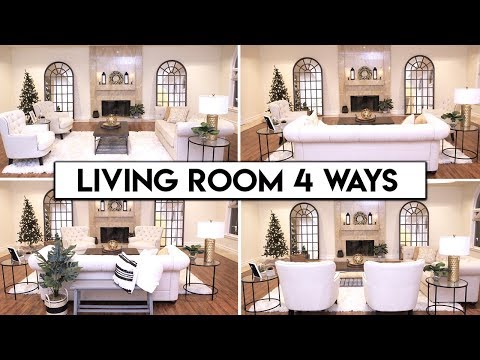
4 Living Room Layout Ideas | Easy Transformation
Duration: 13:53. Views: 1.3M views
► Play

Living Room Layout Ideas | Interior Design
Duration: 04:43. Views: 411.6K views
► Play

4 Living Room Layout Ideas | Living Room Makeover
Duration: 12:16. Views: 176.1K views
► Play
Thats the complete discussion and the Most Recommended Videos that can display related with 10 Interior Furniture Layout Ideas for Perfect Flow. Don’t forget to share or bookmark this page for future reference.
Related Post to 10 Interior Furniture Layout Ideas For Perfect Flow
9 Industrial Home Design Ideas With A Chic Urban Touch
Industrial home design, with its raw aesthetic and urban influences, has surged in popularity. This article explores nine distinct industrial home design ideas, each... Read More
12 Inspiring Home Design Ideas For First Time Homeowners
Embarking on the journey of homeownership is a significant milestone. The desire to personalize and transform a new house into a welcoming home is... Read More
10 Creative Home Design Ideas To Transform Your Space
Transforming a living space can be an exciting endeavor. Home design is not merely about aesthetics; it is about creating an environment that reflects... Read More
14 Elegant Minimal Home Design Ideas For Urban Living
Urban living presents unique challenges and opportunities when it comes to home design. The desire for tranquility and order amidst the hustle and bustle... Read More
10 Serene Home Design Ideas For Mindful Living
Keywords: Serene Home Design, Mindful Living, Interior Design, Home Decor, Relaxation, Tranquility, Wellness, Natural Light, Calming Colors, Minimalist Design.... Read More