Home Design Ideas, Tips and References website. Search anything about Home Design in this website.
10 Natural Ventilation Home Designs For Fresh Air Indoors
The Importance of Natural Ventilation Home Designs for Fresh Air Indoors
Natural ventilation is a crucial element in home design, contributing significantly to indoor air quality and overall comfort. Proper ventilation strategies minimize the need for artificial cooling and heating, reducing energy consumption and promoting a healthier living environment. By harnessing natural airflow, homes can maintain a consistent temperature and humidity level, preventing the build-up of pollutants and allergens. Effective natural ventilation systems also offer aesthetic benefits, integrating seamlessly into a home’s design and enhancing its connection with the outdoors.
The benefits of incorporating natural ventilation designs extend beyond mere comfort. Homes with well-designed natural ventilation systems tend to have lower operational costs due to reduced reliance on mechanical heating, ventilation, and air conditioning (HVAC) systems. This approach aligns with sustainable living principles, promoting energy efficiency and minimizing environmental impact. Furthermore, exposure to fresh, naturally ventilated air can improve occupants’ cognitive function and overall well-being, making it a fundamental aspect of healthy home design.
10 Natural Ventilation Strategies for Your Home
Exploring diverse strategies enhances the effectiveness of natural ventilation within a residence. Each design leverages unique principles of airflow and building physics to create a comfortable and energy-efficient living space. From traditional methods to innovative architectural solutions, the integration of natural ventilation strategies provides homeowners with varied options to optimize their indoor environment.
1. Cross Ventilation: A Classic Natural Ventilation Design
Cross ventilation involves the strategic placement of windows or other openings on opposite sides of a room or building. Air enters through one opening and exits through the other, creating a natural airflow that removes stale air and introduces fresh air. This method relies on wind pressure and temperature differences to drive the ventilation process. The effectiveness of cross ventilation depends on the size and location of the openings, as well as the prevailing wind direction.
When implementing cross ventilation, it is important to consider the local climate and wind patterns. Aligning openings with the prevailing wind direction maximizes airflow, while shading devices can prevent overheating during the hottest parts of the day. Properly sized openings are also crucial; small windows may not provide sufficient ventilation, while excessively large openings can create drafts. Cross ventilation is particularly effective in narrow buildings or rooms with minimal obstructions.
2. Stack Effect Ventilation: Harnessing Natural Buoyancy
Stack effect ventilation, also known as thermal chimney ventilation, leverages the natural buoyancy of warm air. Warm air rises, creating a pressure difference that draws cooler air in from lower levels. This process relies on a vertical shaft or chimney to facilitate the upward movement of air. Openings are placed at both the bottom and top of the shaft to allow for continuous airflow. This can be a component of Eco Friendly Home Design Ideas.
The effectiveness of stack effect ventilation is influenced by the height of the chimney and the temperature difference between the indoor and outdoor air. Taller chimneys generate a stronger pressure difference, resulting in greater airflow. Strategies to enhance the stack effect include using dark-colored materials to absorb solar heat and insulating the chimney to prevent heat loss. In hot climates, evaporative cooling techniques can be combined with stack effect ventilation to further reduce indoor temperatures.
3. Single-Sided Ventilation: A Simple Solution
Single-sided ventilation involves using windows or openings on a single side of a room or building to provide ventilation. This method is less effective than cross ventilation but can still improve indoor air quality and thermal comfort. The effectiveness of single-sided ventilation depends on the size and location of the openings, as well as the depth of the room.
To maximize single-sided ventilation, consider using awning or hopper windows that direct airflow into the room. Strategically placing furniture and other obstructions can also help to guide airflow and prevent stagnant air pockets. Single-sided ventilation is most effective in shallow rooms with high ceilings. Additionally, incorporating operable skylights can enhance ventilation by allowing warm air to escape from the upper reaches of the room.
4. Wind Towers: Traditional and Effective
Wind towers, also known as badgirs, are traditional architectural elements used for natural ventilation in hot, arid climates. These towers capture prevailing winds and direct them down into the building, providing cooling and ventilation. The design of a wind tower typically involves a tall vertical structure with openings at the top that face into the prevailing wind.
The effectiveness of wind towers depends on their height, orientation, and the surrounding landscape. Taller towers capture stronger winds, while strategic orientation ensures that the openings face into the prevailing wind direction. Wind towers can be combined with evaporative cooling techniques to further enhance their cooling effect. This is a popular design concept in Rustic Home Design Ideas.
5. Operable Skylights: Letting Light and Air In
Operable skylights provide both natural light and ventilation. These skylights can be opened to allow warm air to escape from the upper levels of a room, creating a natural airflow that draws cooler air in from below. Operable skylights are particularly effective in rooms with high ceilings or in areas where cross ventilation is not feasible.
When installing operable skylights, consider their size, orientation, and glazing type. Larger skylights provide more ventilation, while strategic orientation can maximize solar heat gain in the winter and minimize it in the summer. Glazing with a low solar heat gain coefficient (SHGC) can help to prevent overheating. Additionally, automated controls can be used to open and close skylights based on temperature and humidity levels.
6. Louvered Windows: Controlling Airflow
Louvered windows consist of adjustable slats that can be opened or closed to control airflow and light. These windows provide flexibility in managing ventilation, allowing homeowners to adjust the amount of air entering a room based on weather conditions and personal preferences. Louvered windows are particularly useful in climates with variable temperatures and humidity levels.
When selecting louvered windows, consider the material, size, and operating mechanism. Materials such as aluminum or wood offer durability and aesthetic appeal, while different operating mechanisms, such as crank or lever systems, provide varying levels of control. Louvered windows can be combined with screens to prevent insects from entering the home.
7. Transom Windows: A Simple and Effective Solution
Transom windows are small windows located above doors or other windows. These windows can be opened to provide ventilation while maintaining privacy and security. Transom windows are particularly useful in older homes where cross ventilation may be limited.
When incorporating transom windows, consider their size, location, and operating mechanism. Larger transom windows provide more ventilation, while strategic placement can maximize airflow. Transom windows can be operated manually or with automated controls. This can add to the elegance in Interior Home Design Ideas.
8. Courtyard Design: Enhancing Natural Airflow
Courtyard designs incorporate an enclosed or semi-enclosed outdoor space within the building footprint. Courtyards can enhance natural ventilation by creating pressure differences that drive airflow. The design allows for air to circulate through the courtyard, cooling the surrounding rooms.
To optimize ventilation in a courtyard design, consider the orientation, size, and landscaping of the courtyard. A well-oriented courtyard can capture prevailing winds and direct them into the surrounding rooms. Shading the courtyard with trees or pergolas can further enhance its cooling effect. The size of the courtyard should be proportional to the size of the building to ensure adequate ventilation.
9. Clerestory Windows: Maximizing Light and Ventilation
Clerestory windows are located high on the wall, above the roofline of adjacent structures. These windows provide natural light and ventilation while maintaining privacy. Clerestory windows are particularly useful in large, open spaces where traditional windows may not provide sufficient light or ventilation.
When designing with clerestory windows, consider their size, orientation, and glazing type. Larger clerestory windows provide more light and ventilation, while strategic orientation can maximize solar heat gain in the winter and minimize it in the summer. Glazing with a low SHGC can help to prevent overheating. Automated controls can be used to open and close clerestory windows based on temperature and humidity levels.
10. Automated Window Systems: Smart Ventilation Control
Automated window systems use sensors and controls to automatically open and close windows based on temperature, humidity, and air quality. These systems optimize natural ventilation by responding to changing environmental conditions. Automated window systems can be integrated with smart home technology for seamless control and monitoring.
When implementing automated window systems, consider the type of sensors, controls, and actuators. Sensors should accurately measure temperature, humidity, and air quality, while controls should be programmable and user-friendly. Actuators should be reliable and energy-efficient. Automated window systems can significantly improve indoor air quality and energy efficiency while maintaining a comfortable indoor environment.
Collection of the Most Recommended Videos Related to 10 Natural Ventilation Home Designs for Fresh Air Indoors
Top 10 Interior Design Trends You Need To Know | Latest Home Ideas & Inspirations
Natural Ventilation sa Isang Maliit na Space – Paano?
Top 10 Interior Design Ideas and Home Decor for Living Room
Collection of the Most Exciting Videos Related to Top 10 Interior Design Trends You Need To Know | Latest Home Ideas & Inspirations

Cfd Simulation Of A Natural Ventilation In Atrium Building (part 1)
Duration: 04:13. Views: 2.1K views
► Play

How To Get Fresh Air And Save Energy?
Duration: 02:20. Views: 63.8K views
► Play

Cooling Your House For Free
Duration: 10:03. Views: 324.3K views
► Play

How To Maximize Natural Ventilation For An Eco Friendly Home
Duration: . Views: 50.1K views
► Play

Natural Ventillation House Design I Cross Ventillation Kerala Style House Design
Duration: 07:44. Views: 55.9K views
► Play

Contemporary Home Design With Natural Materials As A Place To Relax & Reconnect With Nature
Duration: . Views: 96.9K views
► Play
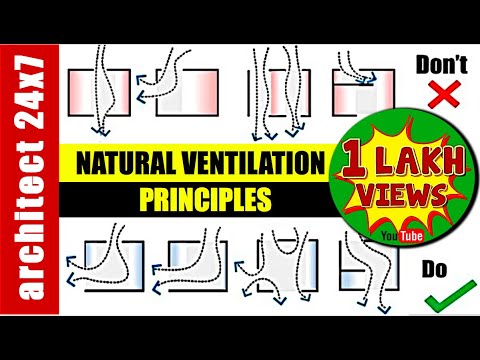
Natural Ventilation Principles
Duration: 01:51. Views: 199.2K views
► Play

Kitchen Ventilation System Design
Duration: 1:01:20. Views: 29.8K views
► Play
Thats the complete discussion and the Most Sought Videos that can display connected with 10 Natural Ventilation Home Designs for Fresh Air Indoors. Don’t forget to share or bookmark this page for future reference.
Related Post to 10 Natural Ventilation Home Designs For Fresh Air Indoors
9 Industrial Home Design Ideas With A Chic Urban Touch
Industrial home design, with its raw aesthetic and urban influences, has surged in popularity. This article explores nine distinct industrial home design ideas, each... Read More
12 Inspiring Home Design Ideas For First Time Homeowners
Embarking on the journey of homeownership is a significant milestone. The desire to personalize and transform a new house into a welcoming home is... Read More
10 Creative Home Design Ideas To Transform Your Space
Transforming a living space can be an exciting endeavor. Home design is not merely about aesthetics; it is about creating an environment that reflects... Read More
14 Elegant Minimal Home Design Ideas For Urban Living
Urban living presents unique challenges and opportunities when it comes to home design. The desire for tranquility and order amidst the hustle and bustle... Read More
10 Serene Home Design Ideas For Mindful Living
Keywords: Serene Home Design, Mindful Living, Interior Design, Home Decor, Relaxation, Tranquility, Wellness, Natural Light, Calming Colors, Minimalist Design.... Read More