Home Design Ideas, Tips and References website. Search anything about Home Design in this website.
12 Interior Color Scheme Ideas That Transform Your Home
Transforming a home can be achieved through various methods, and the selection of an interior color scheme is a pivotal element in shaping the ambiance and reflecting personal style. A thoughtfully chosen color palette can evoke specific moods, enhance architectural features, and create a cohesive and visually appealing environment. This exploration will examine twelve distinct interior color scheme ideas with the potential to revitalize a living space.
Interior Color Scheme Ideas: Transforming Your Home
The strategic use of color holds immense power in interior design. Beyond mere aesthetics, color influences perception of space, affects mood, and contributes significantly to the overall character of a home. Careful consideration of color theory and personal preferences is essential in creating a harmonious and functional interior. The right color scheme can dramatically alter the perceived size of a room, highlight architectural details, and create a sense of flow throughout the home.
Exploring different Interior Home Design Ideas is a crucial step in discovering the perfect color palette for any home. Each color scheme presents a unique opportunity to express individuality and achieve a desired atmosphere. Whether the objective is to create a calming retreat, a vibrant social space, or a sophisticated haven, the application of color principles is paramount. The following twelve color schemes offer diverse options for homeowners seeking to revitalize their interiors.
Monochromatic Color Schemes: Simplicity and Elegance
A monochromatic color scheme employs variations of a single color, ranging from its lightest tint to its darkest shade. This approach creates a sense of unity and serenity within a space. A monochromatic scheme is inherently simple, yet capable of exuding sophistication and elegance. The key to success lies in incorporating diverse textures and materials to add visual interest and prevent the space from appearing flat or monotonous.
For example, a monochromatic blue room might feature walls painted in a muted sky blue, accented by furniture upholstered in a deeper navy. Textiles such as velvet cushions and linen curtains can further enrich the scheme, providing tactile contrast and visual depth. Metallic accents, such as silver or chrome, can add a touch of glamour and prevent the color from feeling overwhelming. This approach is particularly well-suited for bedrooms and bathrooms, spaces where tranquility is paramount.
Analogous Color Schemes: Harmony and Balance
Analogous color schemes involve selecting colors that are adjacent to each other on the color wheel. This results in a harmonious and balanced aesthetic, as the colors naturally complement each other. The proximity of the colors creates a sense of visual flow and cohesion, making it a relatively easy scheme to implement successfully.
An analogous scheme of blue, blue-green, and green can create a refreshing and naturalistic feel in a living room. Walls painted in a soft blue-green can be paired with furniture in varying shades of green, and accents of blue can be introduced through accessories such as cushions and artwork. This type of scheme promotes a sense of calm and is often used in spaces where relaxation and rejuvenation are desired.
Complementary Color Schemes: Bold and Dynamic
Complementary color schemes utilize colors that are opposite each other on the color wheel, such as blue and orange, or red and green. This combination creates a high-contrast, visually stimulating effect. Implementing a complementary scheme requires careful balance to prevent the space from feeling overwhelming or jarring. One color should typically be dominant, while the other serves as an accent.
A living room with primarily neutral tones could be enlivened with pops of a complementary color. For instance, a gray sofa can be accented with vibrant yellow cushions and artwork. The key is to use the accent color sparingly, allowing it to punctuate the space without overpowering it. This approach can be particularly effective in spaces where energy and excitement are desired, such as living rooms and dining rooms.
Neutral Color Schemes: Timeless and Versatile
Neutral color schemes rely on a palette of whites, grays, beiges, and browns. These schemes are inherently timeless and versatile, providing a blank canvas for adding pops of color through accessories and artwork. Neutral spaces are often perceived as calming and sophisticated, and they can be easily adapted to various design styles.
A neutral scheme can be enhanced through the incorporation of varied textures and materials. A living room with beige walls could feature a linen sofa, a wool rug, and wooden furniture. Layering these different textures adds depth and visual interest, preventing the space from appearing bland. Accents of metallic tones, such as gold or bronze, can introduce a touch of glamour and sophistication. These schemes are suitable for virtually any room in the home, providing a foundation for personal expression.
Earthy Tones Color Schemes: Warmth and Nature
Earthy tone color schemes draw inspiration from the natural world, incorporating colors such as browns, greens, rusts, and terracotta. These schemes evoke a sense of warmth, comfort, and connection to nature. Earthy tones create a welcoming and inviting atmosphere, making them ideal for spaces intended for relaxation and socializing.
A bedroom decorated in earthy tones might feature walls painted in a warm terracotta, accented by furniture made from natural wood. Textiles such as linen and cotton can further enhance the natural feel of the space. Plants can also be incorporated to bring the outdoors in, adding a touch of freshness and vitality. This approach is particularly well-suited for bedrooms, living rooms, and kitchens, where a sense of comfort and grounding is desired.
Pastel Color Schemes: Softness and Lightness
Pastel color schemes utilize softened, muted versions of primary colors, such as light pink, pale blue, and mint green. These schemes create a sense of softness, lightness, and airiness. Pastel colors are often associated with tranquility and serenity, making them ideal for spaces intended for relaxation.
A bedroom decorated in pastel colors might feature walls painted in a pale blue, accented by furniture upholstered in light pink and mint green. Sheer curtains can be used to maximize natural light, further enhancing the airy feel of the space. This approach is particularly well-suited for bedrooms, nurseries, and bathrooms, where a sense of calm and relaxation is desired. Careful consideration should be given to the intensity of the pastel shades to avoid a overly saccharine or childlike aesthetic.
Jewel Tones Color Schemes: Richness and Opulence
Jewel tone color schemes incorporate rich, saturated colors such as emerald green, sapphire blue, ruby red, and amethyst purple. These schemes exude a sense of luxury, opulence, and drama. Jewel tones can be used to create a sophisticated and inviting atmosphere, particularly in formal spaces.
A dining room decorated in jewel tones might feature walls painted in a deep emerald green, accented by furniture upholstered in sapphire blue and ruby red. Metallic accents, such as gold or brass, can further enhance the luxurious feel of the space. This approach is particularly well-suited for dining rooms, living rooms, and home offices, where a sense of elegance and sophistication is desired. Balance is critical to prevent the space from feeling too dark or overwhelming.
Black and White Color Schemes: Classic and Bold
A black and white color scheme is a classic choice that is both timeless and bold. The high contrast between black and white creates a visually striking effect, making it a suitable choice for those who desire a dramatic and sophisticated interior. This scheme requires careful balancing to prevent the space from feeling cold or sterile.
A living room decorated in black and white might feature white walls, a black sofa, and white accents. Texture plays a crucial role in adding depth and visual interest to the space. A textured rug, patterned cushions, and varied artwork can all contribute to a more inviting and dynamic atmosphere. This scheme is versatile and can be adapted to various design styles, from modern to traditional. Consider exploring Minimalist Home Design Ideas for a more understated approach with this color scheme.
Greyscale Color Schemes: Sophisticated and Modern
Greyscale color schemes rely on a range of gray tones, from light to dark. This creates a sophisticated and modern aesthetic that is both calming and versatile. Greyscale schemes can be easily adapted to various design styles, and they provide a neutral backdrop for adding pops of color through accessories and artwork.
A bedroom decorated in greyscale might feature walls painted in a light gray, accented by furniture upholstered in darker shades of gray. Layering different textures, such as velvet, wool, and linen, can add depth and visual interest to the space. This approach is particularly well-suited for bedrooms, living rooms, and home offices, where a sense of calm and sophistication is desired.
Warm Neutrals Color Schemes: Cozy and Inviting
Warm neutral color schemes incorporate colors such as beige, cream, and tan. These schemes create a cozy and inviting atmosphere, making them ideal for spaces intended for relaxation and socializing. Warm neutrals are versatile and can be easily paired with other colors to create a variety of different looks.
A living room decorated in warm neutrals might feature walls painted in a soft beige, accented by furniture upholstered in cream and tan. Wooden furniture and natural textures can further enhance the warmth and inviting feel of the space. This approach is particularly well-suited for living rooms, bedrooms, and kitchens, where a sense of comfort and relaxation is desired.
Cool Tones Color Schemes: Calm and Serene
Cool tone color schemes incorporate colors such as blue, green, and purple. These schemes create a calm and serene atmosphere, making them ideal for spaces intended for relaxation and rejuvenation. Cool tones can also make a space feel larger and more airy.
A bathroom decorated in cool tones might feature walls painted in a light blue, accented by furniture and accessories in shades of green and purple. Natural light can further enhance the airy feel of the space. This approach is particularly well-suited for bathrooms, bedrooms, and home offices, where a sense of calm and tranquility is desired. For inspiration, consider looking at Contemporary Home Design Ideas to see how these tones are used in modern spaces.
Monochrome Plus Accent Color: Balanced and Focused
This scheme revolves around selecting a single color and utilizing various shades and tints of it, but adding a single accent color to create visual interest. This is a safe yet impactful method for adding personality to a space without overwhelming it. The accent color serves as a focal point, drawing the eye and creating a sense of balance.
For instance, a room might be primarily decorated in shades of gray, with furniture and walls in varying tones of light and dark gray. The accent color could be a vibrant yellow, introduced through cushions, artwork, or a statement chair. The careful placement of the accent color ensures that it doesn’t dominate the space, but rather complements and enhances the overall aesthetic. This type of scheme works well in any room, but is particularly effective in living rooms and bedrooms where a balanced and harmonious environment is desired.
Collection of the Most Interesting Videos Related to 12 Interior Color Scheme Ideas That Transform Your Home
Top 10 Interior Design Trends You Need To Know | Latest Home Ideas & Inspirations
Top 10 Interior Design Ideas and Home Decor for Living Room
Kitchen Design Ideas – Yellow Color Scheme Ideas
Collection of the Most Exciting Videos about Top 10 Interior Design Trends You Need To Know | Latest Home Ideas & Inspirations
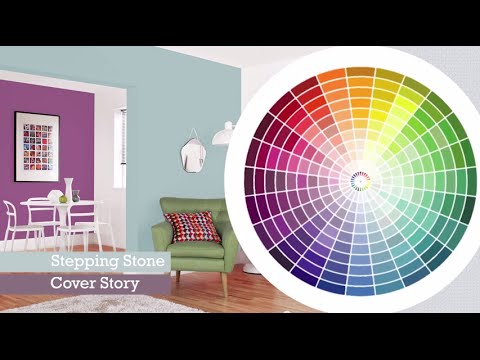
How To Choose Colours For Your Home
Duration: 02:20. Views: 305.8K views
► Play

How To Decorate Pink Interiors | Our Top 8 Pink Colour Palette Design Tips
Duration: 16:13. Views: 87.4K views
► Play

False Ceiling Design Bedroom, False Ceiling Design Drawing Room, False Ceiling Design With Fan.
Duration: 10:33. Views: 737.6K views
► Play
200 Modern Bedroom Cupboards Wardrobe Interior Design Ideas Catalogue 2023
Duration: 12:24. Views: 364.9K views
► Play

Top 9 Interior Design Tips For Monochromatic Interiors
Duration: . Views: 127.5K views
► Play

100 Red Kitchen Inspirations: Master The Art Of Color Coordination
Duration: 07:16. Views: 354 views
► Play

"transform Your Wardrobe With These Modern Interior Design Ideas" : #wardrobe #wardrobeorganisation
Duration: 07:58. Views: 140.9K views
► Play

7 Steps To Complete Living Room Makeover In 2023 | Living Room Decorating Ideas | Makeover Diaries
Duration: 03:35. Views: 391.6K views
► Play
That was the complete discussion and the Most Recommended Videos that can display connected with 12 Interior Color Scheme Ideas That Transform Your Home. Don’t forget to share or bookmark this page for future reference.
Related Post to 12 Interior Color Scheme Ideas That Transform Your Home
9 Industrial Home Design Ideas With A Chic Urban Touch
Industrial home design, with its raw aesthetic and urban influences, has surged in popularity. This article explores nine distinct industrial home design ideas, each... Read More
12 Inspiring Home Design Ideas For First Time Homeowners
Embarking on the journey of homeownership is a significant milestone. The desire to personalize and transform a new house into a welcoming home is... Read More
10 Creative Home Design Ideas To Transform Your Space
Transforming a living space can be an exciting endeavor. Home design is not merely about aesthetics; it is about creating an environment that reflects... Read More
14 Elegant Minimal Home Design Ideas For Urban Living
Urban living presents unique challenges and opportunities when it comes to home design. The desire for tranquility and order amidst the hustle and bustle... Read More
10 Serene Home Design Ideas For Mindful Living
Keywords: Serene Home Design, Mindful Living, Interior Design, Home Decor, Relaxation, Tranquility, Wellness, Natural Light, Calming Colors, Minimalist Design.... Read More