Home Design Ideas, Tips and References website. Search anything about Home Design in this website.
12 Zen Home Design Ideas For Peaceful Living Spaces
Seeking tranquility and a harmonious living environment? Zen home design offers a pathway to creating serene spaces that foster peace and well-being. Rooted in the principles of Zen Buddhism, this design philosophy emphasizes simplicity, natural elements, and mindful living. The following explores 12 Zen home design ideas, providing practical insights into transforming a home into a haven of calm.
Zen Home Design Ideas: Creating a Peaceful Sanctuary
Zen home design extends beyond mere aesthetics. It aims to cultivate a sense of balance and tranquility within the living space. By incorporating key elements like natural light, minimalist decor, and a connection to nature, a home can become a refuge from the stresses of daily life.
The core principles of Zen design revolve around simplicity, naturalness, and asymmetry. Clean lines, uncluttered surfaces, and a muted color palette contribute to a sense of spaciousness and calm. Materials like wood, stone, and bamboo are frequently utilized to bring the outdoors in, fostering a deeper connection with nature. The goal is to create a space that is both visually appealing and conducive to relaxation and introspection.
Embrace Minimalism for Zen Interiors
1. Minimalism is fundamental to Zen design. Decluttering is the first step in creating a Zen-inspired home. Remove unnecessary items and embrace the concept of “less is more.” This allows energy to flow freely and creates a sense of openness. Consider Minimalist Home Design Ideas for inspiration.
2. Prioritize essential furnishings and choose pieces that are both functional and aesthetically pleasing. Opt for furniture with clean lines and a simple design. Avoid overly ornate or decorative elements that can create visual clutter.
Neutral Color Palettes for a Calm Ambiance
3. A neutral color palette forms the foundation of a Zen-inspired interior. Soft, calming colors such as whites, creams, grays, and muted earth tones create a serene and relaxing atmosphere. These colors promote a sense of spaciousness and allow the natural elements of the room to stand out.
4. While neutral colors dominate, subtle accents of color can be incorporated to add visual interest. Consider using natural greens from plants or soft blues and grays to evoke the feeling of water and sky. Avoid bright or jarring colors that can disrupt the sense of calm.
Natural Light and Ventilation
5. Maximize natural light and ventilation to create a bright and airy living space. Natural light enhances the sense of well-being and connects the interior with the outdoors. Use sheer curtains or blinds to filter the light and create a soft, diffused glow.
6. Ensure proper ventilation by opening windows regularly to allow fresh air to circulate. This helps to purify the air and create a healthier and more invigorating living environment. Consider incorporating plants known for their air-purifying properties, such as snake plants or spider plants.
Natural Materials for a Grounded Connection
7. Incorporate natural materials such as wood, stone, bamboo, and linen to create a sense of warmth and connection to nature. These materials possess inherent textures and colors that add visual interest and create a calming atmosphere. Consider exploring Eco Friendly Home Design Ideas for sustainable material choices.
8. Use wood for flooring, furniture, and accent pieces. Stone can be incorporated into countertops, fireplaces, or garden features. Bamboo is a versatile material that can be used for flooring, screens, or decorative elements. Linen is a natural and breathable fabric that is ideal for curtains, bedding, and upholstery.
Mindful Arrangement of Furniture
9. Arrange furniture in a way that promotes a sense of flow and harmony. Avoid overcrowding the space and leave ample room for movement. Consider the principles of Feng Shui, which emphasize the importance of creating a balanced and harmonious living environment.
10. Position furniture to take advantage of natural light and views. Create designated areas for different activities, such as reading, meditation, or relaxation. Ensure that each piece of furniture serves a purpose and contributes to the overall sense of calm.
Incorporate Indoor Plants for Serenity
11. Indoor plants are essential for bringing nature indoors and creating a sense of tranquility. Choose plants with calming properties, such as bamboo, orchids, or bonsai trees. These plants add visual interest, purify the air, and promote a sense of well-being.
12. Arrange plants strategically throughout the home to create focal points and add a touch of greenery. Consider using different sizes and textures of plants to create visual interest. Ensure that plants receive adequate light and water to thrive. For more inspiration, explore Interior Home Design Ideas.
Water Features for a Calming Effect
13. The sound of water is known for its calming and soothing effects. Consider incorporating a small indoor fountain or water feature to create a relaxing atmosphere. The gentle sound of flowing water can help to mask background noise and promote a sense of peace.
14. Water features can be incorporated into various spaces, such as living rooms, bedrooms, or even bathrooms. Choose a water feature that complements the overall design of the room and is easy to maintain. Ensure that the water feature is properly cleaned and maintained to prevent the growth of algae or bacteria.
Zen Garden Ideas: Bringing the Outdoors In
15. A Zen garden is a miniature landscape designed to promote meditation and contemplation. Create a small Zen garden in a corner of a room or on a balcony. Use sand, rocks, and carefully placed plants to create a peaceful and serene environment.
16. The act of raking the sand in a Zen garden can be a meditative practice. Use a small rake to create patterns in the sand and arrange the rocks in a pleasing manner. The garden should be designed to evoke a sense of calm and tranquility.
Mindful Lighting Design
17. Implement a mindful lighting design to create a relaxing and inviting atmosphere. Use a combination of natural light and artificial light to create a warm and inviting glow. Avoid harsh or bright lighting that can be jarring or disruptive.
18. Use dimmer switches to adjust the intensity of the light and create different moods. Consider using warm-toned light bulbs to create a cozy and inviting atmosphere. Incorporate candles or lanterns for a soft and ambient glow.
Simple and Functional Storage Solutions
19. Simple and functional storage solutions are essential for maintaining a clutter-free and organized living space. Use baskets, shelves, and cabinets to store items out of sight. Choose storage solutions that are both aesthetically pleasing and practical.
20. Label storage containers clearly to easily identify the contents. Regularly declutter and organize storage spaces to prevent clutter from accumulating. The goal is to create a system that is easy to maintain and promotes a sense of order.
Create a Meditation Space
21. Designate a specific area in the home for meditation or relaxation. This space should be quiet, comfortable, and free from distractions. Use soft cushions, blankets, and candles to create a calming and inviting atmosphere.
22. Decorate the meditation space with objects that promote a sense of peace and well-being, such as crystals, incense, or artwork. Consider adding a small bookshelf with books on mindfulness or meditation. The space should be designed to encourage relaxation and introspection.
Implementing Zen Design Principles: Steps to a Serene Home
Achieving a Zen-inspired home involves a deliberate and thoughtful approach. It requires a willingness to declutter, simplify, and connect with nature. By incorporating the aforementioned ideas and focusing on creating a space that is both visually appealing and conducive to relaxation, a home can be transformed into a peaceful sanctuary.
Begin by assessing the existing space and identifying areas that need improvement. Start with one room at a time and gradually work towards transforming the entire home. Remember that Zen design is not about achieving perfection, but rather about creating a space that reflects a sense of balance, harmony, and mindful living. Explore Contemporary Home Design Ideas for inspiration on integrating Zen principles into a modern aesthetic.
Benefits of Zen Home Design: Enhanced Well-being
The benefits of Zen home design extend beyond aesthetics. By creating a calm and tranquil living environment, it can positively impact physical and mental well-being. A Zen-inspired home promotes relaxation, reduces stress, and fosters a deeper connection with oneself and the surrounding environment. The result is a space that supports a healthier, happier, and more balanced lifestyle.
Ultimately, the goal of Zen home design is to create a space that nurtures the soul and promotes a sense of inner peace. It is an investment in well-being that can bring lasting benefits to all who inhabit the space. By embracing the principles of simplicity, naturalness, and mindful living, a home can become a true sanctuary from the stresses of modern life.
Collection of the Most Interesting Videos Related to 12 Zen Home Design Ideas for Peaceful Living Spaces
Cozy Homes & Interior Design Ideas | Top 5
Top 5 Interior Design Ideas For Cultivating a Peaceful Home
Modern House Design 2023 | Best Interior Design | Luxurious House
Collection of the Most Recommended Videos Related to Cozy Homes & Interior Design Ideas | Top 5

Zen Bedroom Decor And Ideas. Relaxing Zen Bedroom Inspiration.
Duration: 04:21. Views: 11.3K views
► Play
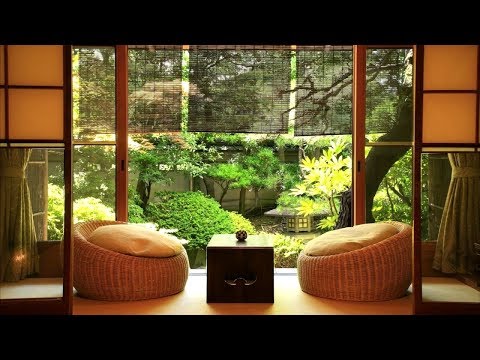
25 Zen Homes, Design Ideas
Duration: 04:15. Views: 57.3K views
► Play

Small Zen Garden Ideas
Duration: 02:41. Views: 131.9K views
► Play

Feng Shui Home Decorating Ideas
Duration: 06:41. Views: 2.4M views
► Play

Zen Garden Diy | Backyard Transformation | Small Area
Duration: 24:14. Views: 8.5K views
► Play

Small Modern Japanese Garden Ideas
Duration: 19:12. Views: 195.1K views
► Play

14 Ways To Make Your Home Zen
Duration: 06:14. Views: 135.1K views
► Play
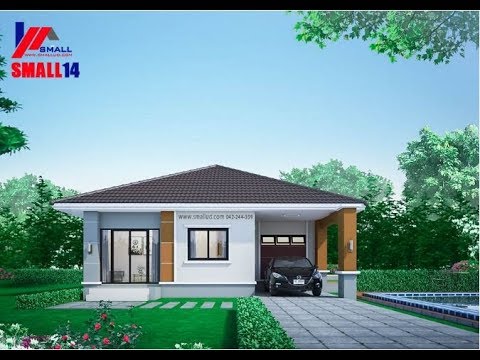
9 Small And Beautiful One Story House Plans
Duration: 03:51. Views: 41K views
► Play
Thats the complete discussion and the Most Recommended Videos that can display related with 12 Zen Home Design Ideas for Peaceful Living Spaces. Don’t forget to share or bookmark this page for future reference.
Related Post to 12 Zen Home Design Ideas For Peaceful Living Spaces
9 Industrial Home Design Ideas With A Chic Urban Touch
Industrial home design, with its raw aesthetic and urban influences, has surged in popularity. This article explores nine distinct industrial home design ideas, each... Read More
12 Inspiring Home Design Ideas For First Time Homeowners
Embarking on the journey of homeownership is a significant milestone. The desire to personalize and transform a new house into a welcoming home is... Read More
10 Creative Home Design Ideas To Transform Your Space
Transforming a living space can be an exciting endeavor. Home design is not merely about aesthetics; it is about creating an environment that reflects... Read More
14 Elegant Minimal Home Design Ideas For Urban Living
Urban living presents unique challenges and opportunities when it comes to home design. The desire for tranquility and order amidst the hustle and bustle... Read More
10 Serene Home Design Ideas For Mindful Living
Keywords: Serene Home Design, Mindful Living, Interior Design, Home Decor, Relaxation, Tranquility, Wellness, Natural Light, Calming Colors, Minimalist Design.... Read More