Home Design Ideas, Tips and References website. Search anything about Home Design in this website.
Minimalist Living Room Design Ideas
Minimalist Living Room Design Ideas: A Comprehensive Guide
The minimalist aesthetic emphasizes simplicity, functionality, and a clutter-free environment. In the context of living room design, this translates to a space that is calming, visually appealing, and conducive to relaxation and social interaction. A minimalist living room prioritizes essential elements, carefully chosen furniture, and a restrained color palette to create a sense of spaciousness and tranquility. The goal is to achieve a harmonious balance between form and function, resulting in a living room that is both stylish and practical.
This guide explores various minimalist living room design concepts, offering actionable ideas and practical tips for transforming a living space into a minimalist haven. The focus is on providing clear and concise information that can be easily applied to different living room sizes and layouts. The aim is to empower individuals to create a minimalist living room that reflects their personal style while adhering to the core principles of minimalism.
The Essence of Minimalist Design: Key Principles
Minimalism, at its core, is about intentionality. It involves consciously choosing what to include in a space and, equally important, what to exclude. This process of decluttering extends beyond physical objects to encompass visual clutter as well. In a minimalist living room, every element serves a purpose, whether it’s providing seating, storage, or aesthetic appeal. The overall effect is a sense of calm and order, promoting mental clarity and reducing stress.
Several fundamental principles underpin minimalist design. Simplicity is paramount, evident in clean lines, uncluttered surfaces, and a lack of ornamentation. Functionality dictates the selection of furniture and accessories, ensuring that each item is practical and serves a specific need. Neutral color palettes are frequently employed to create a soothing and visually consistent backdrop. Finally, quality over quantity is prioritized, investing in fewer, well-crafted pieces that will stand the test of time.
Decluttering for a Minimalist Transformation
Before embarking on any minimalist living room design project, decluttering is an essential first step. This involves systematically removing unnecessary items, such as outdated magazines, decorative items that no longer resonate, and furniture that is rarely used. A helpful strategy is to categorize items into four groups: things to keep, donate, sell, or discard. This process can be emotionally challenging, but it’s crucial for achieving a truly minimalist space. Consider the “one in, one out” rule: for every new item that enters the living room, an existing item must be removed.
Effective decluttering goes beyond surface cleaning. It requires a critical assessment of personal belongings and a willingness to let go of items that are no longer serving a purpose. Creating hidden storage solutions, such as ottomans with built-in storage or shelves with baskets, can help to conceal clutter and maintain a clean aesthetic. Regularly decluttering, even for a few minutes each day, can prevent clutter from accumulating and preserve the minimalist design.
The Importance of a Neutral Color Palette
Neutral color palettes are a defining characteristic of minimalist design. Colors such as white, gray, beige, and cream create a sense of spaciousness and tranquility. These colors also provide a versatile backdrop for incorporating pops of color through artwork, textiles, or plants. When selecting neutral colors, consider the undertones of the paint or fabric. Warm neutrals, such as beige and cream, can create a cozy and inviting atmosphere, while cool neutrals, such as gray and white, can evoke a sense of sophistication and serenity.
While neutral colors are dominant, introducing subtle variations in texture and tone can add depth and visual interest to the living room. Layering different shades of gray, for example, can create a sophisticated and nuanced effect. Incorporating natural materials, such as wood and stone, can also add warmth and texture to a neutral color scheme. When using accent colors, it’s important to exercise restraint and choose colors that complement the overall minimalist aesthetic. Consider muted tones or natural colors that blend seamlessly with the neutral backdrop. For more Modern Home Design Ideas, explore options that incorporate neutral palettes with strategic pops of color.
Furniture Selection for Minimalist Living Rooms
Furniture plays a crucial role in shaping the aesthetic and functionality of a minimalist living room. When selecting furniture, it’s essential to prioritize quality, simplicity, and versatility. Each piece should serve a specific purpose and contribute to the overall minimalist design. Consider multi-functional furniture, such as a sofa bed or a coffee table with built-in storage, to maximize space and minimize clutter.
Opt for furniture with clean lines and simple silhouettes. Avoid ornate details or excessive embellishments. Choose furniture that is comfortable and durable, ensuring that it will stand the test of time. When arranging furniture, focus on creating a balanced and uncluttered layout. Leave ample space between furniture pieces to allow for easy movement and a sense of openness. Consider the scale of the furniture in relation to the size of the living room. Avoid oversized furniture that can overwhelm the space.
Choosing the Right Sofa or Sectional
The sofa or sectional is typically the focal point of a living room. In a minimalist living room, choose a sofa or sectional that is simple, comfortable, and functional. Opt for a neutral color, such as gray, beige, or white, to create a versatile backdrop. Consider a sofa with clean lines and a low profile to enhance the sense of spaciousness. When selecting a sofa or sectional, pay attention to the quality of the materials and construction. Choose durable fabrics and sturdy frames that will withstand daily use.
Modular sofas and sectionals offer flexibility and can be easily reconfigured to suit different needs. These options are particularly useful in small living rooms where space is limited. When arranging the sofa or sectional, consider the flow of traffic and the placement of other furniture pieces. Avoid blocking doorways or creating cramped walkways. Leaving space behind the sofa or sectional can also enhance the sense of openness and airiness. Explore Interior Home Design Ideas for additional guidance on furniture selection and arrangement.
Coffee Tables and Side Tables: Functionality and Style
Coffee tables and side tables provide essential surfaces for placing drinks, books, and other items. In a minimalist living room, choose coffee tables and side tables that are simple, functional, and visually unobtrusive. Opt for materials such as wood, glass, or metal to complement the overall minimalist aesthetic. Consider coffee tables with built-in storage to conceal clutter and maximize space. Side tables should be small and lightweight, allowing for easy movement and flexibility.
When selecting coffee tables and side tables, consider the scale of the furniture in relation to the sofa and other seating. The coffee table should be easily accessible from all seating areas. Side tables should be placed within reach of chairs and sofas to provide convenient surfaces for placing drinks and other items. Avoid overcrowding the coffee table or side tables with unnecessary decorative items. Keep the surfaces clean and uncluttered to maintain a minimalist aesthetic.
Lighting and Accessories in a Minimalist Living Room
Lighting and accessories play a significant role in shaping the atmosphere and visual appeal of a minimalist living room. Lighting should be functional and aesthetically pleasing, providing adequate illumination while complementing the overall minimalist design. Accessories should be carefully chosen to add personality and visual interest without overwhelming the space.
When selecting lighting and accessories, prioritize quality, simplicity, and functionality. Choose items that are well-crafted and serve a specific purpose. Avoid excessive ornamentation or clutter. Focus on creating a balanced and harmonious composition that reflects the principles of minimalist design. The goal is to enhance the beauty of the space without detracting from its simplicity and tranquility.
Maximizing Natural Light
Natural light is a valuable asset in any living room, but it is especially important in a minimalist space. Maximize natural light by keeping windows clean and unobstructed. Avoid heavy curtains or drapes that block sunlight. Instead, opt for sheer curtains or blinds that allow light to filter through while providing privacy. Consider adding mirrors to reflect natural light and create a sense of spaciousness.
Strategic placement of furniture can also enhance natural light. Avoid placing tall furniture directly in front of windows, as this can block sunlight and make the room feel darker. Arrange furniture to take advantage of natural light, creating inviting seating areas that are bathed in sunlight. The use of light-colored walls and flooring can also amplify the effects of natural light, making the room feel brighter and more open.
Choosing the Right Lighting Fixtures
Artificial lighting is essential for providing illumination during evenings and in areas where natural light is limited. In a minimalist living room, choose lighting fixtures that are simple, functional, and aesthetically pleasing. Opt for fixtures with clean lines and a minimalist design. Consider a combination of ambient lighting, task lighting, and accent lighting to create a layered and versatile lighting scheme.
Ambient lighting provides overall illumination and sets the mood of the room. Task lighting provides focused light for specific activities, such as reading or working. Accent lighting highlights specific features, such as artwork or architectural details. When selecting lighting fixtures, consider the color temperature of the light bulbs. Warm white light creates a cozy and inviting atmosphere, while cool white light provides brighter and more energetic illumination. For inspiration, consider 10 Smart Home Design Ideas for a Comfortable and High Tech Living Space, which often incorporates smart lighting solutions.
Adding Personality with Minimalist Accessories
Accessories can add personality and visual interest to a minimalist living room, but it’s important to exercise restraint and choose items carefully. Focus on quality over quantity, selecting a few well-chosen accessories that reflect personal style and complement the overall minimalist design. Consider adding artwork, plants, textiles, and decorative objects to enhance the beauty of the space.
When selecting accessories, consider the color palette and textures of the living room. Choose accessories that complement the existing colors and materials. Avoid cluttering surfaces with excessive decorative items. Instead, focus on creating a balanced and harmonious composition. Consider displaying artwork on the walls, adding plants to bring life and greenery into the space, and using textiles, such as pillows and blankets, to add warmth and texture. A single, well-placed statement piece can also add a touch of drama and visual interest to the living room.
Collection of the Most Interesting Videos about minimalist living room design ideas
Top 10 Interior Design Ideas and Home Decor for Living Room
Luxury Living in Small Spaces: Stunning Apartment Living Room Design Ideas!
40+ Modern Small Living Room Design Ideas|Luxury living room|Top small living room design ideas2025
Collection of the Most Popular Videos Related to Top 10 Interior Design Ideas and Home Decor for Living Room

+300 Amazing Modern Living Room Design Ideas 2025 | New Tv Wall Units & Home Interior Design Trends
Duration: . Views: 7.6K views
► Play
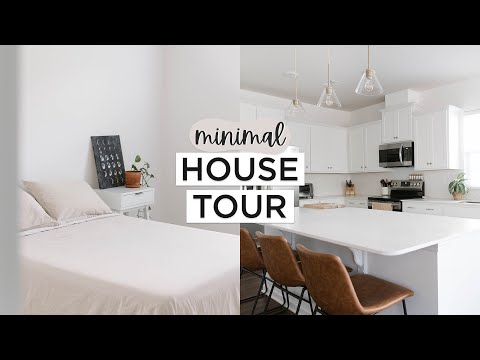
Minimalist House Tour | Our Cozy + Calm Home
Duration: 10:41. Views: 918.7K views
► Play

100k Budget Small House Design (20 Sqm)
Duration: 02:38. Views: 437.7K views
► Play

Living Room Layout Ideas | Interior Design
Duration: 04:43. Views: 411.6K views
► Play
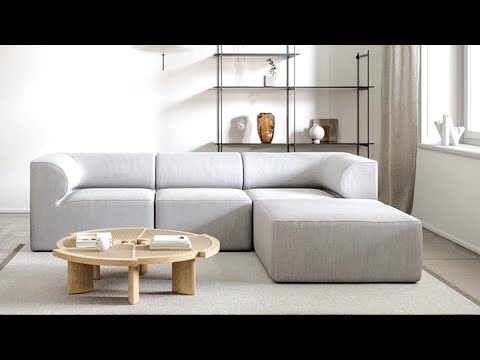
27 Minimalist Living Room Ideas
Duration: 04:50. Views: 95.7K views
► Play

Small Bedroom Makeover | Minimalist Room Tour
Duration: 10:05. Views: 2.4M views
► Play

15 Elegant Traditional Living Room Ideas
Duration: 07:17. Views: 41.8K views
► Play

Small Room Makeover 2021 | *minimalist & Neutral Aesthetic*
Duration: 10:30. Views: 79.1K views
► Play
That was the complete discussion and the Most Interesting Videos that we can display associated with minimalist living room design ideas. Don’t forget to share or bookmark this page for future reference.
Related Post to Minimalist Living Room Design Ideas
10 Front Yard Landscaping Ideas With Flowers For Instant Curb Appeal
A well-maintained and aesthetically pleasing front yard significantly enhances a property’s curb appeal. Incorporating flowers into front yard landscaping is a simple yet effective... Read More
12 Small Garden Landscaping Design Tips To Maximize Space
Transforming a small garden into a captivating and functional space requires careful planning and creative implementation. Limited square footage necessitates innovative strategies to maximize... Read More
12 Minimalist Landscaping Ideas With Stones For A Clean Modern Look
Achieving a clean, modern aesthetic in outdoor spaces is increasingly popular. Minimalist landscaping, characterized by simplicity and functionality, offers a serene and uncluttered environment.... Read More
15 Flower Bed Garden Design Ideas For Colorful Yards
Transforming a yard into a vibrant, colorful oasis begins with thoughtfully designed flower beds. The strategic use of color, texture, and plant selection can... Read More
12 Container Flower Garden Design Ideas For Balconies
Container Flower Garden Design Ideas for Balconies Balconies present unique opportunities for gardening, especially for individuals residing in apartments or urban dwellings with limited... Read More