Home Design Ideas, Tips and References website. Search anything about Home Design in this website.
7 Smart Thermostat Integration Ideas To Reduce Energy Bills
**Smart Thermostat Integration Ideas to Reduce Energy Bills**
Smart thermostats are becoming increasingly popular for their ability to optimize home energy consumption. The core function of a smart thermostat lies in its ability to learn user preferences, adapt to changing conditions, and provide remote control over heating and cooling systems. Integrating smart thermostats effectively can lead to significant reductions in energy bills and a more comfortable living environment.
The key to maximizing energy savings with a smart thermostat involves more than just installing the device. It requires thoughtful integration with other smart home devices and a tailored approach to scheduling and automation. This article explores seven integration ideas that can help reduce energy bills and optimize a home’s heating and cooling efficiency. Taking advantage of Eco Friendly Home Design Ideas can further enhance the energy-saving potential of these smart thermostat integrations.
Effective implementation of smart thermostat features, combined with strategic integration, is essential for achieving the desired energy savings. Furthermore, regular monitoring of energy usage patterns helps to fine-tune the system for optimal performance. This proactive approach ensures that the smart thermostat continues to deliver cost savings and comfort over time.
**Leveraging Smart Thermostat Features for Energy Savings**
Smart thermostats offer a range of features designed to minimize energy waste. Understanding and utilizing these features effectively is crucial for realizing their full potential. Some of the key features include programmable scheduling, geofencing, and learning capabilities.
Programmable scheduling allows users to set different temperature settings for various times of the day. Geofencing utilizes location-based services to adjust the temperature when occupants are away or approaching the home. Learning capabilities enable the thermostat to adapt to user behavior and optimize settings automatically. These features work in concert to ensure that energy is only used when and where it is needed, reducing overall consumption and lowering energy costs.
Actively engaging with these smart thermostat features and tailoring them to individual needs can significantly impact energy consumption. For example, setting a lower temperature during sleeping hours or when the house is unoccupied can lead to substantial savings over time. Additionally, regularly reviewing and adjusting the settings based on changing schedules or weather patterns ensures ongoing optimization.
**1. Integrating Smart Thermostats with Smart Lighting Systems**
Integration of smart thermostats with smart lighting systems presents an opportunity to coordinate energy-saving efforts across different home systems. When rooms are unoccupied, both lighting and heating/cooling can be automatically adjusted to minimize energy waste. This synergy is particularly effective in large homes or commercial buildings where occupancy patterns vary significantly.
The integration can be achieved through various smart home platforms or custom programming. For example, if motion sensors in a smart lighting system detect that a room is empty, the system can signal the smart thermostat to lower the temperature in that zone. Conversely, when someone enters the room, both lighting and temperature can be adjusted to preferred settings. Consider also Modern Home Design Ideas when planning your lighting and thermostat integration.
Implementing this integration not only reduces energy consumption but also enhances convenience. Users do not need to manually adjust lighting and temperature settings each time they enter or leave a room. The system automatically adapts to their presence, creating a more comfortable and efficient living environment. This combination of energy savings and enhanced convenience makes the integration of smart lighting and smart thermostats a highly valuable strategy.
**2. Connecting Smart Thermostats with Window Sensors**
Window sensors can provide valuable information about the state of windows in a home, enabling the smart thermostat to react appropriately. When a window is opened, the thermostat can automatically pause the heating or cooling system in that zone to prevent energy loss. This is particularly useful in climates with extreme temperatures, where even a short period of open windows can significantly impact indoor temperature.
The connection between window sensors and the smart thermostat can be established through a smart home hub or platform. The sensors send a signal to the thermostat whenever a window is opened or closed, allowing the thermostat to adjust the heating or cooling accordingly. This integration helps prevent wasted energy and ensures that the HVAC system only operates when windows are closed.
Beyond simply pausing the system, the integration can be programmed to provide notifications to users when a window has been left open for an extended period. This can help prevent accidental energy waste and remind occupants to close the window when necessary. Furthermore, integrating with weather data can allow the system to proactively prevent heating or cooling when outside temperatures are favorable.
**3. Integrating Smart Thermostats with Smart Blinds**
Smart blinds can be integrated with smart thermostats to regulate the amount of sunlight entering a home. This integration is particularly effective in controlling solar heat gain during the summer months. By automatically closing blinds when the sun is shining directly on a window, the system can reduce the load on the air conditioning system and lower energy consumption.
The integration can be configured based on time of day, weather conditions, or sensor data. For example, the blinds can be programmed to close automatically during peak sunlight hours or when the indoor temperature reaches a certain threshold. Similarly, the blinds can open automatically during the winter months to allow sunlight to warm the home, reducing the need for heating.
This system can be further enhanced by incorporating weather forecasts. If the forecast predicts a sunny day, the blinds can be proactively closed in anticipation of increased solar heat gain. This proactive approach can help maintain a consistent indoor temperature and minimize energy consumption. For those with a penchant for style, Interior Home Design Ideas can complement the integration, ensuring that energy efficiency aligns with aesthetic preferences.
**4. Combining Smart Thermostats with Occupancy Sensors**
Occupancy sensors can provide real-time information about which rooms are occupied. This information can be used by the smart thermostat to adjust the temperature in each zone, ensuring that energy is only used in occupied areas. This integration is particularly effective in multi-zone heating and cooling systems, where different rooms can be heated or cooled independently.
The integration can be achieved through wireless occupancy sensors that communicate with the smart thermostat. When a room is unoccupied, the thermostat can lower the temperature in that zone, and when someone enters the room, the temperature can be automatically adjusted to the preferred setting. This dynamic adjustment helps prevent energy waste and ensures that only occupied areas are heated or cooled.
This integration can be further enhanced by incorporating learning algorithms that adapt to occupancy patterns over time. The system can learn when certain rooms are typically occupied and adjust the temperature accordingly, even before someone enters the room. This proactive approach can further optimize energy consumption and ensure a comfortable living environment.
**5. Utilizing Smart Thermostats with Weather Forecast Integration**
Smart thermostats can be integrated with weather forecast data to proactively adjust heating and cooling settings. By knowing the expected temperature and weather conditions, the thermostat can anticipate future heating or cooling needs and adjust accordingly. This proactive approach can help maintain a consistent indoor temperature and minimize energy consumption.
The integration can be achieved through a connection to a weather service provider. The thermostat receives real-time weather data and forecasts, allowing it to adjust the heating or cooling system in anticipation of changing conditions. For example, if a cold front is approaching, the thermostat can pre-heat the home to maintain a comfortable temperature. Conversely, if a warm front is approaching, the thermostat can pre-cool the home.
This system can be further enhanced by incorporating historical weather data and user preferences. The thermostat can learn how the home responds to different weather conditions and adjust settings accordingly. This personalized approach ensures that the system is optimized for each individual home and maximizes energy savings. This strategic integration also aligns well with Budget Friendly Home Design Ideas by helping to minimize energy expenses.
**6. Integrating Smart Thermostats with Smart Home Hubs**
Smart home hubs provide a central control point for all smart home devices. Integrating the smart thermostat with a smart home hub allows for seamless coordination with other devices and systems. This integration can unlock a wide range of automation possibilities and further optimize energy consumption.
The smart home hub can act as a central brain, coordinating the actions of different devices based on user preferences and environmental conditions. For example, the hub can integrate the smart thermostat with smart lighting, window sensors, and occupancy sensors to create a comprehensive energy-saving system. The hub can also provide remote control and monitoring capabilities, allowing users to adjust settings from anywhere.
This integration can be further enhanced by incorporating voice control. Users can use voice commands to adjust the temperature, set schedules, or check energy usage. This hands-free control enhances convenience and makes it easier to manage the smart thermostat. Overall, integrating the smart thermostat with a smart home hub provides a powerful and flexible way to optimize energy consumption and create a more comfortable and efficient living environment.
**7. Smart Thermostat Remote Control and Monitoring**
Remote control and monitoring capabilities are key features of smart thermostats that contribute to energy savings. These features allow users to adjust temperature settings from anywhere and track energy usage patterns over time. This provides greater control over energy consumption and enables users to identify opportunities for further optimization.
The remote control feature allows users to adjust the temperature from their smartphones or other devices, even when they are away from home. This is particularly useful for adjusting the temperature before arriving home or for turning off the heating or cooling if they forgot to do so before leaving. The monitoring feature provides detailed information about energy usage, allowing users to track their savings and identify areas where they can reduce consumption.
By actively monitoring energy usage and adjusting settings remotely, users can fine-tune their smart thermostat to achieve optimal energy savings. This ongoing process of monitoring and adjustment is essential for maximizing the benefits of a smart thermostat and creating a more energy-efficient home. Regular analysis of energy consumption data helps in understanding patterns and making informed decisions for efficient energy management.
Collection of the Most Sought Videos Related to 7 Smart Thermostat Integration Ideas to Reduce Energy Bills
Energy-saving features on your thermostat
Getting started with Tasmota & Home Assistant
5 Ways to Reduce Water Bill
Collection of the Most Exciting Videos about Energy-saving features on your thermostat

My Top 5 Hacs Components Integrations And Front End Improvements
Duration: 17:27. Views: 41.1K views
► Play

Managing Heating In Home Assistant Part1
Duration: 16:06. Views: 39.6K views
► Play

How Do Smart Thermostats Save Energy In Homes? #techexplained #technologyhacks
Duration: 00:50. Views: 104 views
► Play
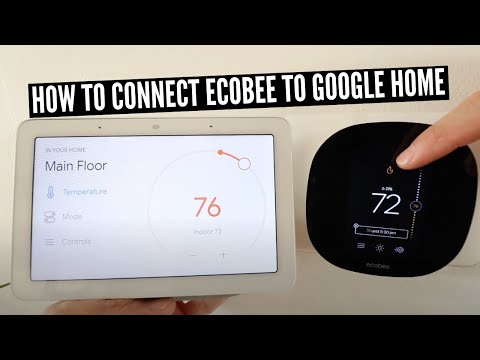
How To Connect Ecobee To Google Home
Duration: 03:56. Views: 12.6K views
► Play

Programming Your Smart Thermostat
Duration: 05:16. Views: 59.6K views
► Play

How To Adjust Your Thermostat
Duration: 01:43. Views: 129.4K views
► Play

Audi Q7 Thermostat Replacement Part 3
Duration: 01:48. Views: 5K views
► Play
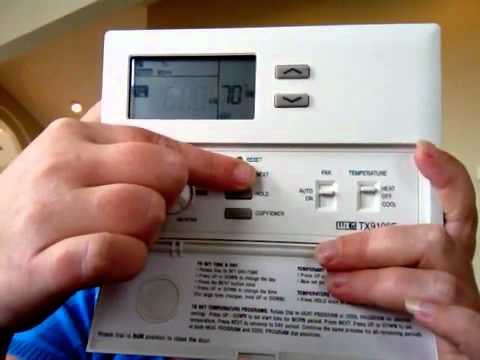
Part 3: Programming Your Digital Thermostat
Duration: 04:05. Views: 242.1K views
► Play
That was the complete discussion and the Most Recommended Videos that can display associated with 7 Smart Thermostat Integration Ideas to Reduce Energy Bills. Don’t forget to share or bookmark this page for future reference.
Related Post to 7 Smart Thermostat Integration Ideas To Reduce Energy Bills
9 Industrial Home Design Ideas With A Chic Urban Touch
Industrial home design, with its raw aesthetic and urban influences, has surged in popularity. This article explores nine distinct industrial home design ideas, each... Read More
12 Inspiring Home Design Ideas For First Time Homeowners
Embarking on the journey of homeownership is a significant milestone. The desire to personalize and transform a new house into a welcoming home is... Read More
10 Creative Home Design Ideas To Transform Your Space
Transforming a living space can be an exciting endeavor. Home design is not merely about aesthetics; it is about creating an environment that reflects... Read More
14 Elegant Minimal Home Design Ideas For Urban Living
Urban living presents unique challenges and opportunities when it comes to home design. The desire for tranquility and order amidst the hustle and bustle... Read More
10 Serene Home Design Ideas For Mindful Living
Keywords: Serene Home Design, Mindful Living, Interior Design, Home Decor, Relaxation, Tranquility, Wellness, Natural Light, Calming Colors, Minimalist Design.... Read More