Home Design Ideas, Tips and References website. Search anything about Home Design in this website.
Living Room Design Ideas With Accent Wall
Living room design serves as the cornerstone of any home’s interior. It is a space for relaxation, entertainment, and connection. Incorporating an accent wall into the living room design can significantly enhance its aesthetic appeal and overall ambiance. This exploration will delve into various living room design ideas centered around the effective use of accent walls, considering color palettes, materials, and design styles.
Living Room Design with Accent Wall Ideas
Accent walls are a powerful tool in interior design, capable of transforming the look and feel of a living room. The strategic placement and design of an accent wall can draw attention to a focal point, add depth and dimension to the space, and reflect the homeowner’s personal style. The following ideas provide a comprehensive overview of how to incorporate accent walls into living room design effectively.
The selection of an appropriate accent wall location is paramount. Typically, the wall that naturally draws the eye upon entering the room serves as the ideal candidate. This could be the wall behind the sofa, the fireplace wall, or a wall featuring architectural details such as a large window or built-in shelving. Consideration should also be given to the room’s layout and the placement of furniture to ensure the accent wall enhances rather than overwhelms the space. For inspiration on other elements that can elevate your home’s aesthetic, explore Interior Home Design Ideas.
The color choice for an accent wall significantly impacts the overall atmosphere of the living room. A bolder, contrasting color can create a dramatic effect, while a more subtle, complementary color can add depth without being overpowering. Darker shades tend to make a room feel cozier and more intimate, while lighter shades can visually expand the space. The color should also harmonize with the existing color palette of the room, including furniture, textiles, and accessories. Neutral living rooms provide a great canvas for bold accent walls.
Choosing the Right Color for Your Living Room Accent Wall
The color of an accent wall dictates the entire mood and visual appeal of the living room. The right color choice can create harmony, contrast, or a striking focal point, depending on the desired effect. Understanding the psychology of color and how it interacts with lighting and other design elements is crucial for achieving a cohesive and aesthetically pleasing living room design.
When choosing a color for a living room accent wall, several factors should be taken into account. These include the size of the room, the amount of natural light, the existing color scheme, and the desired mood. Smaller rooms generally benefit from lighter accent wall colors, which can create the illusion of more space. Larger rooms can handle bolder, darker colors without feeling cramped. The amount of natural light will also influence how the color appears; a color that looks vibrant in bright sunlight may appear muted in a dimly lit room.
Various color palettes can be employed to create different effects in the living room. Monochromatic color schemes, using different shades of the same color, can create a sense of harmony and sophistication. Complementary color schemes, using colors that are opposite each other on the color wheel, such as blue and orange, can create a dynamic and visually stimulating effect. Analogous color schemes, using colors that are adjacent to each other on the color wheel, such as blue, blue-green, and green, can create a soothing and harmonious atmosphere. Ultimately, the choice depends on the homeowner’s personal preferences and the desired aesthetic of the living room. For those seeking a cutting-edge aesthetic, consider browsing 11 Modern Home Design Ideas Trending This Year.
Material Options for a Unique Accent Wall
While paint is a common choice for accent walls, exploring different materials can add texture, depth, and visual interest to the living room. From natural stone to wood paneling, wallpaper to fabric, the possibilities are endless. The selection of material should complement the overall design style of the living room and reflect the homeowner’s personal taste.
Textured materials such as natural stone, brick, or wood can add a rustic and organic feel to the living room. Stone and brick accent walls are particularly well-suited for traditional or farmhouse-style homes, while wood paneling can be used in a variety of styles, from contemporary to mid-century modern. These materials not only add visual interest but also provide a tactile element to the space. For a more traditional approach with organic elements, consider 9 Rustic Home Design Ideas with Warm and Natural Countryside Charm.
Wallpaper offers a wide range of patterns, textures, and colors, making it a versatile option for creating a unique accent wall. From geometric prints to floral patterns, abstract designs to textured surfaces, wallpaper can instantly transform the look and feel of a living room. Fabric can also be used to create a soft and luxurious accent wall. Upholstered panels or draped fabric can add warmth and texture to the space, making it feel more inviting and comfortable.
Incorporating Textures and Patterns on Your Accent Wall
Texture and pattern play a vital role in adding visual interest and depth to a living room accent wall. Whether it is through the use of textured paint, wallpaper, or three-dimensional panels, incorporating these elements can significantly enhance the overall aesthetic of the space. The key is to strike a balance between creating a focal point and maintaining a cohesive design.
Textured paint finishes, such as stucco or sand paint, can add subtle depth and dimension to an accent wall. These finishes create a tactile surface that reflects light in different ways, adding visual interest without being overwhelming. Wallpaper with textured patterns, such as embossed designs or flocking, can also create a similar effect. Three-dimensional panels, made from materials such as wood, metal, or plastic, offer a more dramatic way to add texture to an accent wall. These panels can be arranged in various patterns to create a unique and eye-catching focal point.
Patterns can be incorporated into an accent wall through the use of wallpaper, stencils, or hand-painted designs. Geometric patterns, such as stripes, chevrons, or hexagons, can add a modern and contemporary feel to the living room. Floral patterns can create a more romantic and traditional atmosphere. Abstract patterns can add a touch of artistic flair. When choosing a pattern, it is important to consider the scale and complexity of the design. Smaller rooms generally benefit from smaller-scale patterns, while larger rooms can handle bolder, more complex designs.
Accent Wall Lighting Ideas for Living Rooms
Lighting plays a crucial role in highlighting the features of an accent wall and creating the desired ambiance in the living room. Strategically placed lighting can emphasize the texture, color, and patterns of the wall, enhancing its visual impact. Different types of lighting, such as spotlights, wall sconces, and LED strips, can be used to achieve various effects.
Spotlights are an effective way to directly illuminate an accent wall, drawing attention to its specific features. They can be mounted on the ceiling or on the wall itself, allowing for precise control over the direction and intensity of the light. Wall sconces provide a more ambient form of lighting, casting a soft and diffused glow on the accent wall. They can be placed on either side of a focal point, such as a fireplace or artwork, to create a balanced and symmetrical look. For eco-conscious homeowners, consider 8 Eco Friendly Home Design Ideas to Save Energy and Protect the Planet, which can also influence your lighting choices.
LED strips offer a versatile and energy-efficient way to add subtle lighting to an accent wall. They can be concealed behind architectural details, such as crown molding or baseboards, creating a soft and indirect glow. LED strips can also be used to highlight specific areas of the wall, such as textured surfaces or artwork. When choosing lighting for an accent wall, it is important to consider the color temperature of the light. Warm white light creates a cozy and inviting atmosphere, while cool white light provides a more modern and energetic feel.
Living Room Accent Wall Design Styles
The design style of an accent wall should complement the overall aesthetic of the living room. Whether the room is modern, traditional, bohemian, or minimalist, the accent wall should seamlessly integrate with the existing décor. Different design styles lend themselves to different color palettes, materials, and textures.
In a modern living room, an accent wall with clean lines, geometric patterns, and a minimalist color palette can create a sophisticated and contemporary look. Materials such as concrete, metal, or glass can be used to add a touch of industrial chic. In a traditional living room, an accent wall with rich colors, ornate patterns, and classic textures can evoke a sense of elegance and grandeur. Materials such as wood paneling, wallpaper with damask patterns, or upholstered panels can be used to create a timeless and refined look. For those seeking a sleek aesthetic, consider 9 Contemporary Home Design Ideas for a Sleek and Modern Look.
In a bohemian living room, an accent wall with vibrant colors, eclectic patterns, and natural textures can create a relaxed and free-spirited atmosphere. Materials such as macramé, tapestries, or reclaimed wood can be used to add a touch of global flair. In a minimalist living room, an accent wall with a neutral color palette, simple textures, and clean lines can create a sense of calm and serenity. Materials such as smooth paint finishes, natural wood, or concrete can be used to add subtle depth without overwhelming the space.
DIY Accent Wall Projects for Your Living Room
Creating an accent wall can be a rewarding DIY project, allowing homeowners to personalize their living room and add a unique touch to their décor. Numerous DIY accent wall ideas are available, ranging from simple paint projects to more elaborate installations. With careful planning and execution, homeowners can transform their living room without breaking the bank.
A simple and cost-effective DIY accent wall project involves using painter’s tape to create geometric patterns on a painted wall. This technique allows for endless customization, with various shapes, colors, and patterns. Another easy DIY option is to create a gallery wall by hanging a collection of artwork, photographs, or decorative objects on a single wall. This is a great way to showcase personal treasures and add character to the living room.
For more ambitious DIY projects, consider installing wood planks, brick veneer, or wallpaper on an accent wall. These projects require more time and skill, but the results can be truly transformative. When undertaking a DIY accent wall project, it is important to carefully measure the wall, gather the necessary materials and tools, and follow instructions diligently. With patience and creativity, homeowners can create a stunning accent wall that reflects their personal style and enhances the beauty of their living room.
Collection of the Most Sought Videos about living room design ideas with accent wall
Transform Your Space with Accent Walls Ideas: 10 Innovative Interior Decor Ideas for Every Room
Top 7 Simple Accent Wall Ideas to Transform Your Space 2025
Accent Wall Ideas | Latest Modern Interior Design Trends 2024 | Decorating Ideas For Livingroom Wall
List of the Most Exciting Videos about Transform Your Space with Accent Walls Ideas: 10 Innovative Interior Decor Ideas for Every Room

Diy Accent Wall For Under $100 | Accent Wall On A Budget | Entry Way Decor Refresh
Duration: 24:48. Views: 192K views
► Play

Diy Easy Accent Wall | Led Lights | Feature Wall
Duration: 10:00. Views: 28.7K views
► Play

Bedroom Accent Wall Ideas Diy: Diy Wood Accent Wall In Bedroom
Duration: 04:17. Views: 1.2K views
► Play

Painting Accent Walls. Tips From A Pro!
Duration: . Views: 72.7K views
► Play

7 Easy Diy Accent Wall Ideas
Duration: 38:26. Views: 3.4K views
► Play
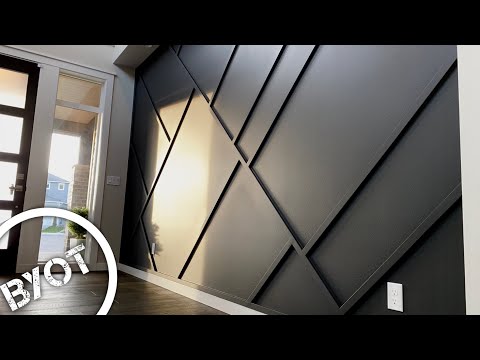
Diy Accent Wall // Modern Accent Wall
Duration: 10:49. Views: 2.9M views
► Play

Interior Design – How To Wow With Wood Walls
Duration: 02:19. Views: 144.9K views
► Play

Diy Accent Wall | The Easy Way!
Duration: 17:58. Views: 140.7K views
► Play
Thats the complete discussion and the Most Exciting Videos that can show connected with living room design ideas with accent wall. Don’t forget to share or bookmark this page for future reference.
Related Post to Living Room Design Ideas With Accent Wall
Living Room Design Ideas For Small Spaces
Living Room Design Ideas for Small Spaces: Maximizing Comfort and Style Designing a living room within the confines of a small space presents a... Read More
9 Creative Living Room Design Ideas For Every Style
The living room serves as a central hub for relaxation, entertainment, and social interaction. As such, its design should reflect individual style and cater... Read More
Elegant Living Room Design Ideas
Elevating a living room to a space of elegant sophistication requires careful consideration of various design elements. This article explores ideas for crafting an... Read More
12 Modern Classic Living Room Design Ideas To Inspire You
Welcome to a journey through the world of modern classic living room design. This exploration unveils 12 exemplary ideas, each meticulously crafted to inspire... Read More
9 Living Room Design Ideas For Couples’ Homes
Creating a shared living space that reflects the personalities and preferences of both partners can be an exciting, yet challenging, undertaking. The living room,... Read More